Terroir Summary:
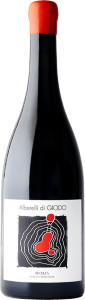
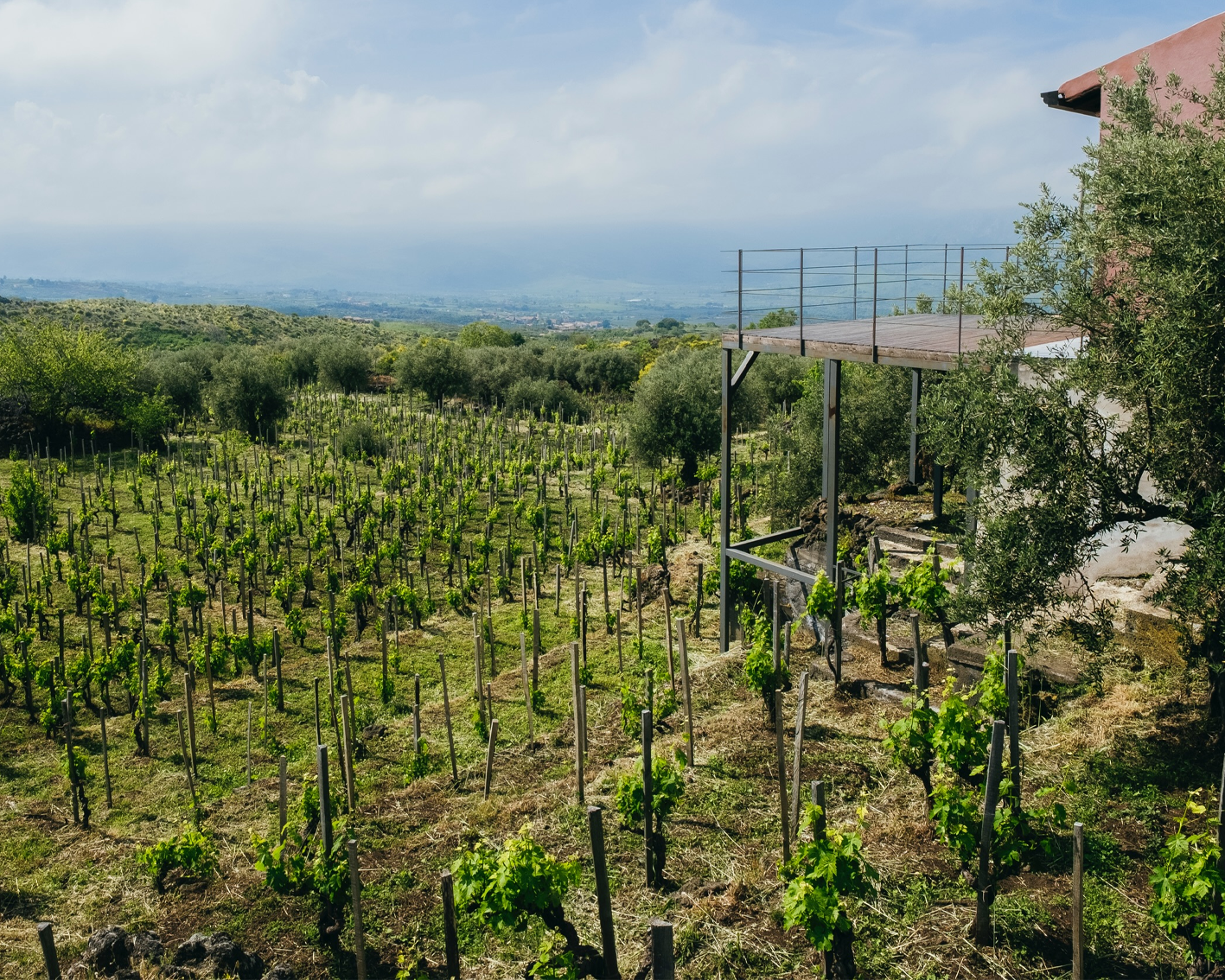
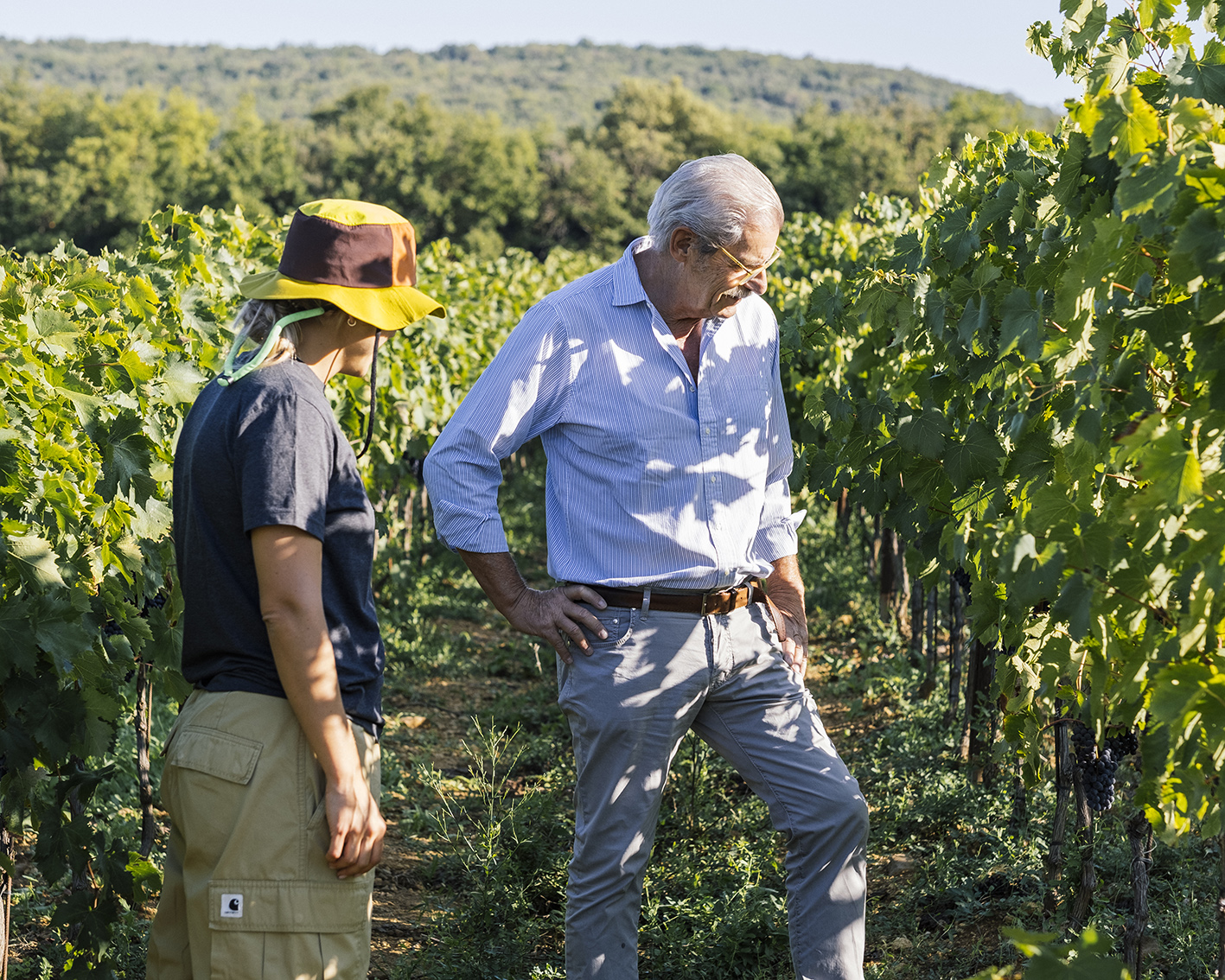
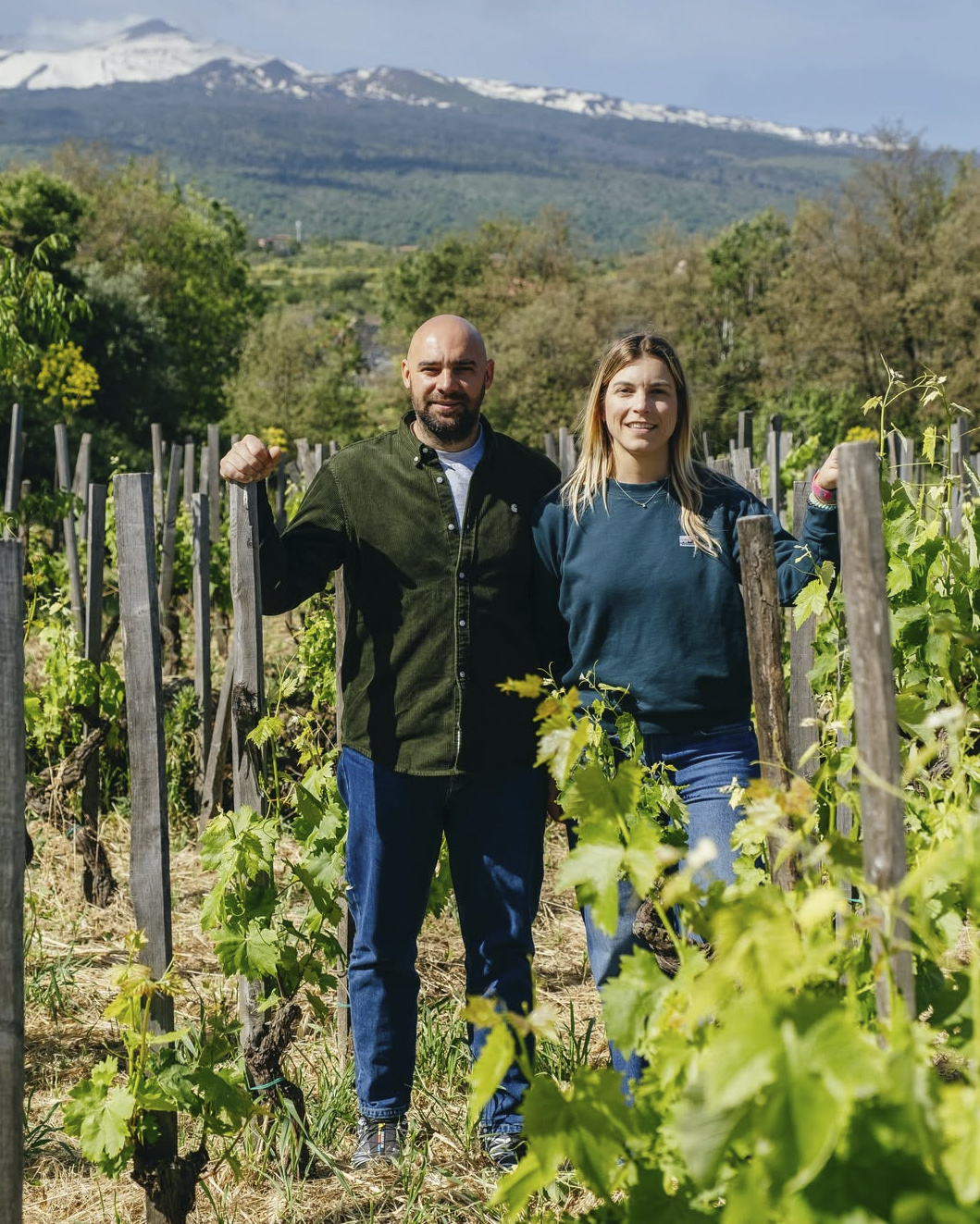
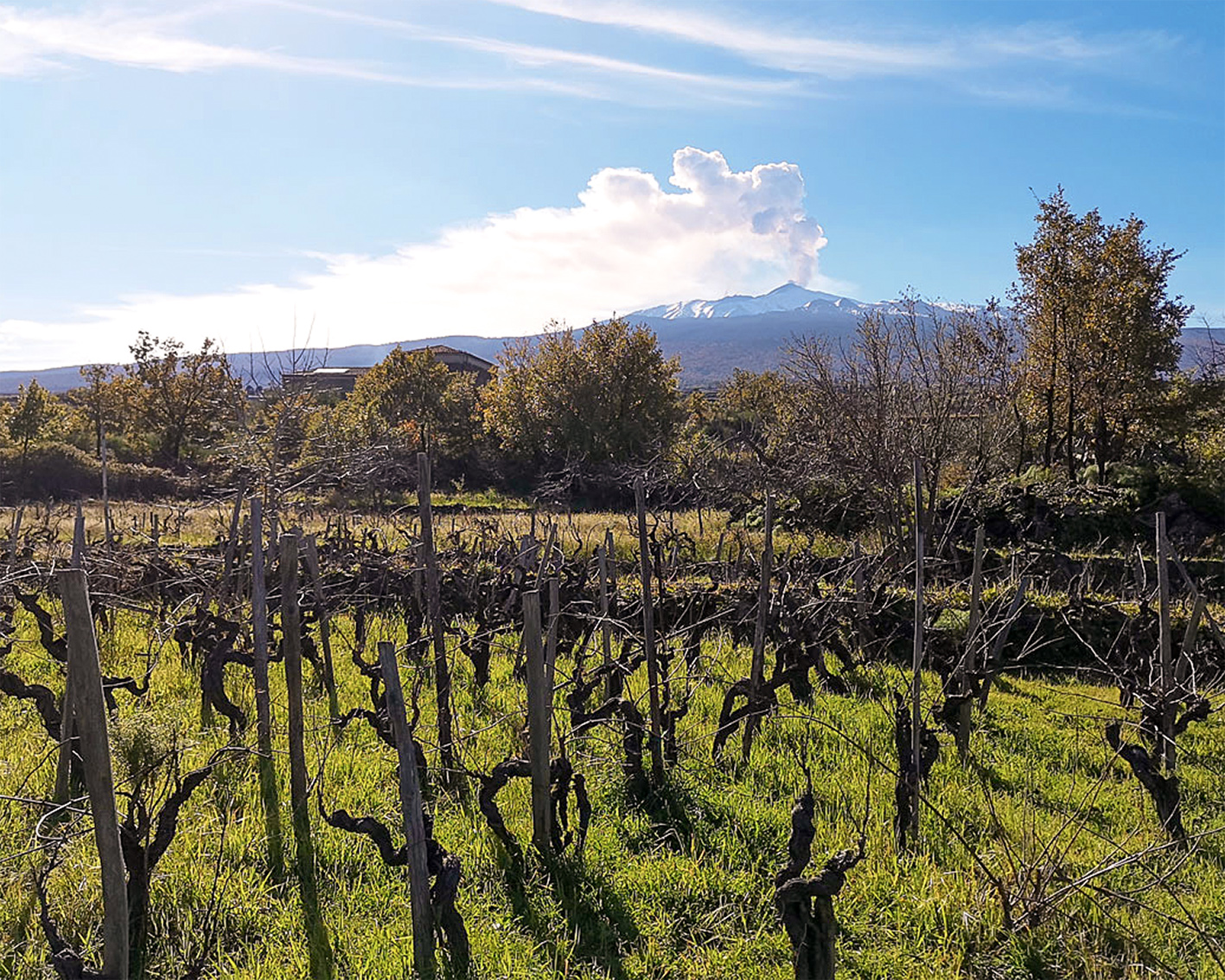
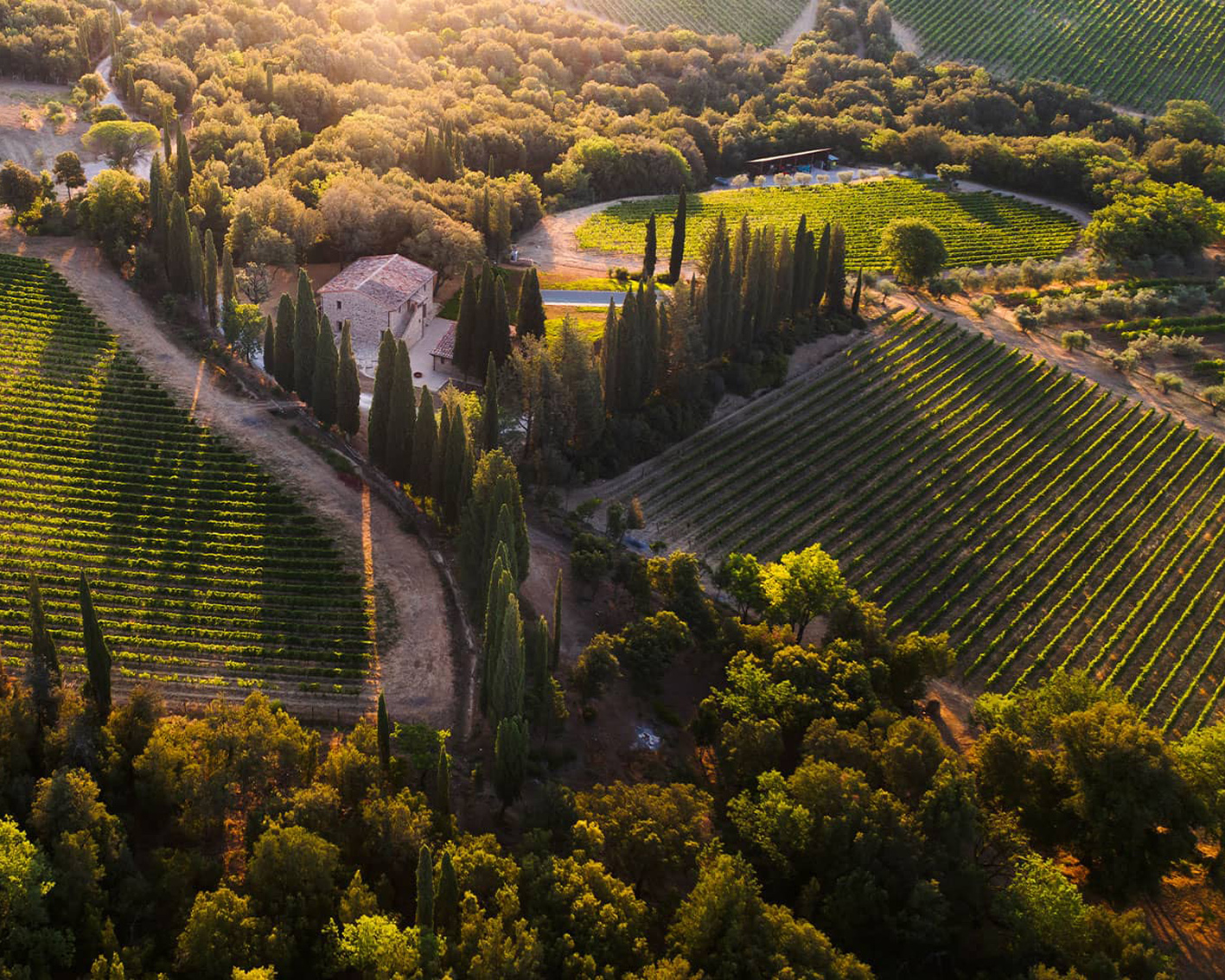
The Giodo estate in Montalcino comprises approximately 7 hectares of vineyard on the south-eastern side of the appellation. Historic parcels are located around 350 metres above sea level, with predominantly clay-based soils, while newer plantings reach approximately 450 metres with a greater presence of rock. Surrounding woodland contributes to temperature moderation and site balance.The Alberelli di Giodo project on Mount Etna is markedly different in character, consisting of approximately 1.5 hectares of high-altitude, historic vineyards (with some vines 80-100 years old) at up to 950 metres above sea level, planted across small, terraced plots on volcanic soils composed of lava, ash and basalt.
Heritage:
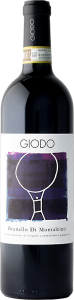
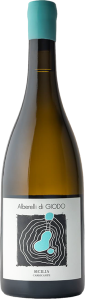
Giodo was established in 2000 by Carlo Ferrini following decades of experience working with Sangiovese across Italy. Vineyards were planted in 2001 using carefully selected clones, with the first vintage of Brunello di Montalcino produced in 2009. Initially focused entirely on vineyard development, early vintages were produced in external facilities before the completion of the estate’s cellar in 2020, marking the transition to full estate production. The Etna project began in 2012, with the gradual acquisition of small, high-altitude vineyard parcels on the slopes of Mount Etna. The first vintage of Alberelli di Giodo was produced in 2016, marking the extension of the estate’s site-focused philosophy into Sicily.
Philosophy:
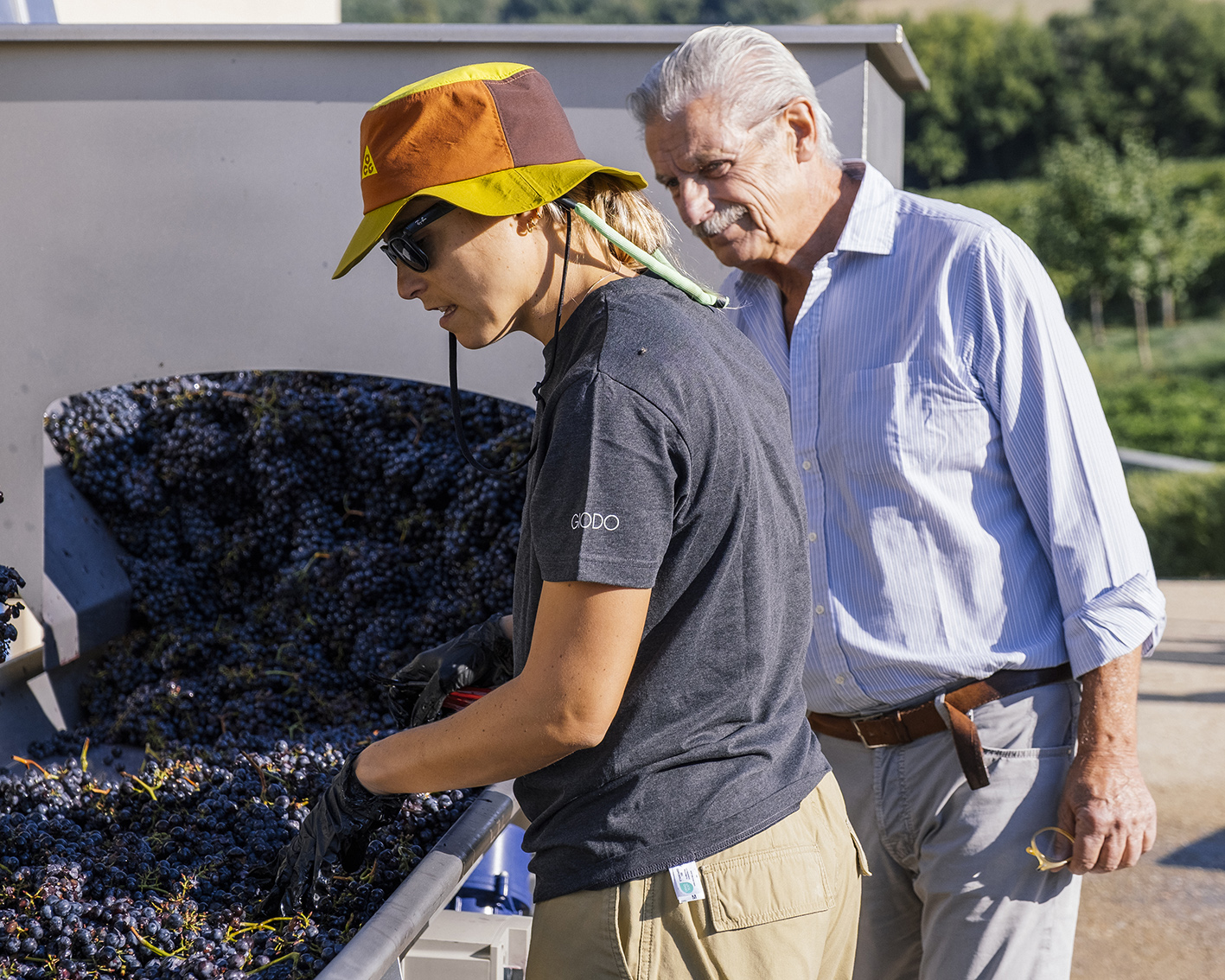
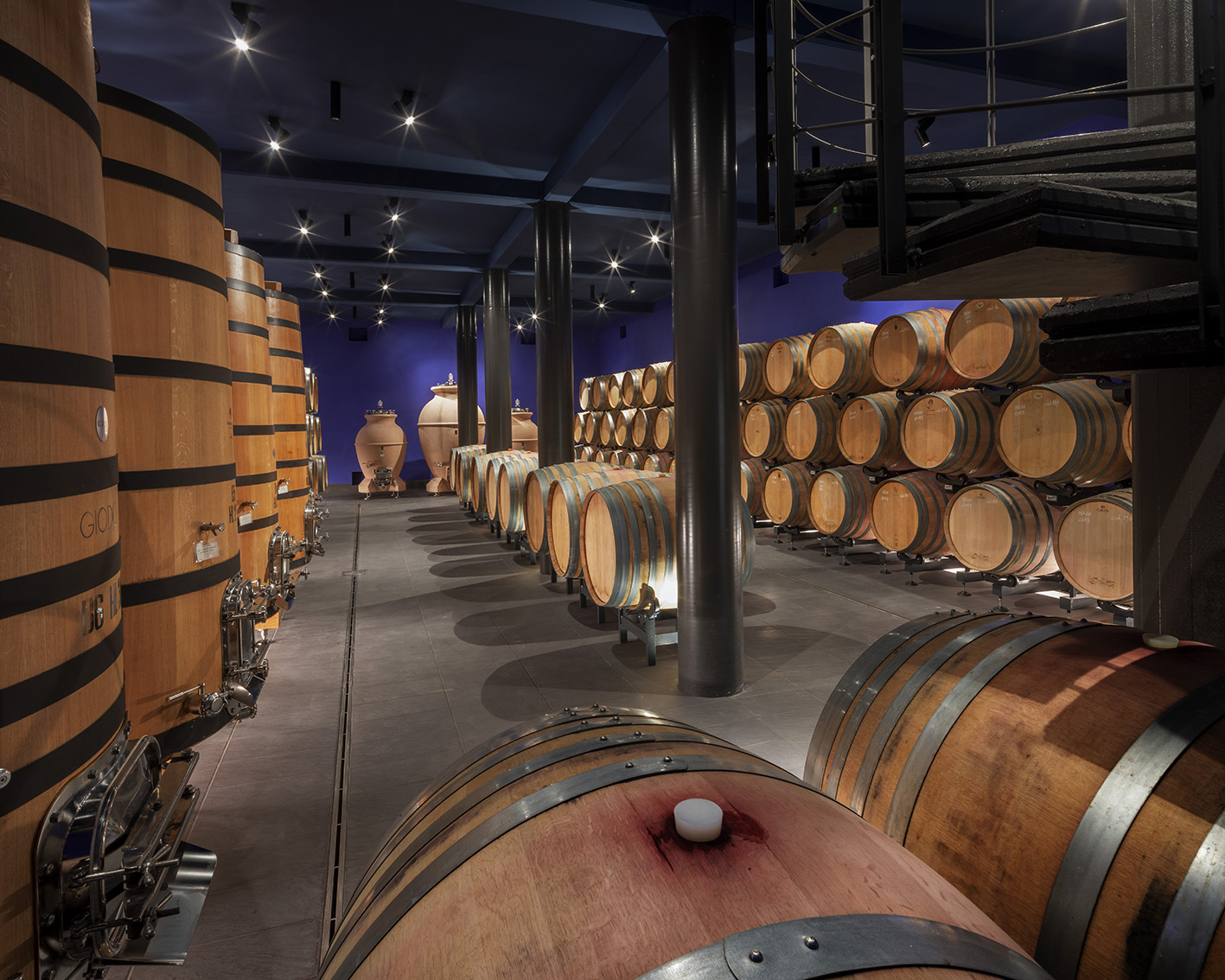
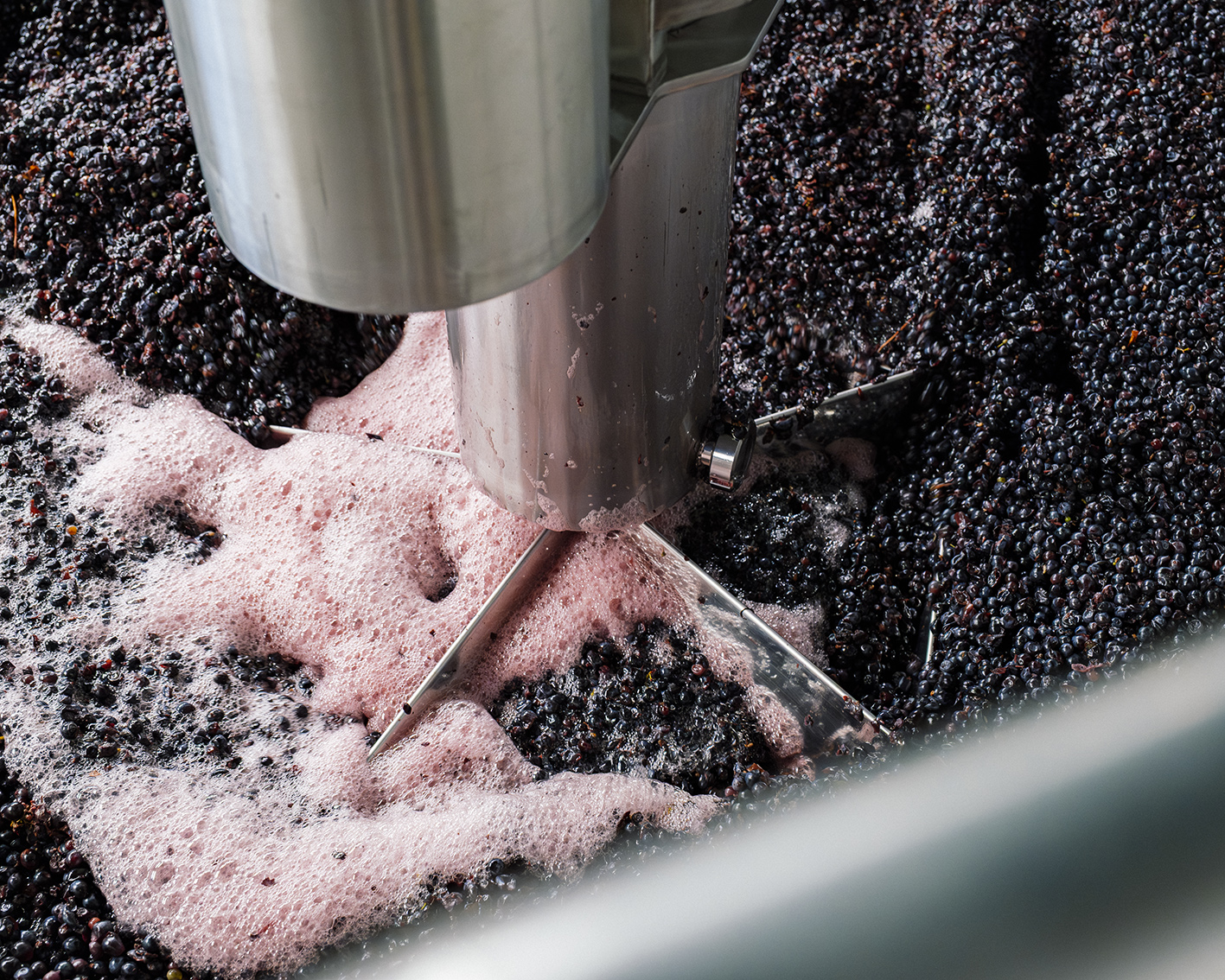
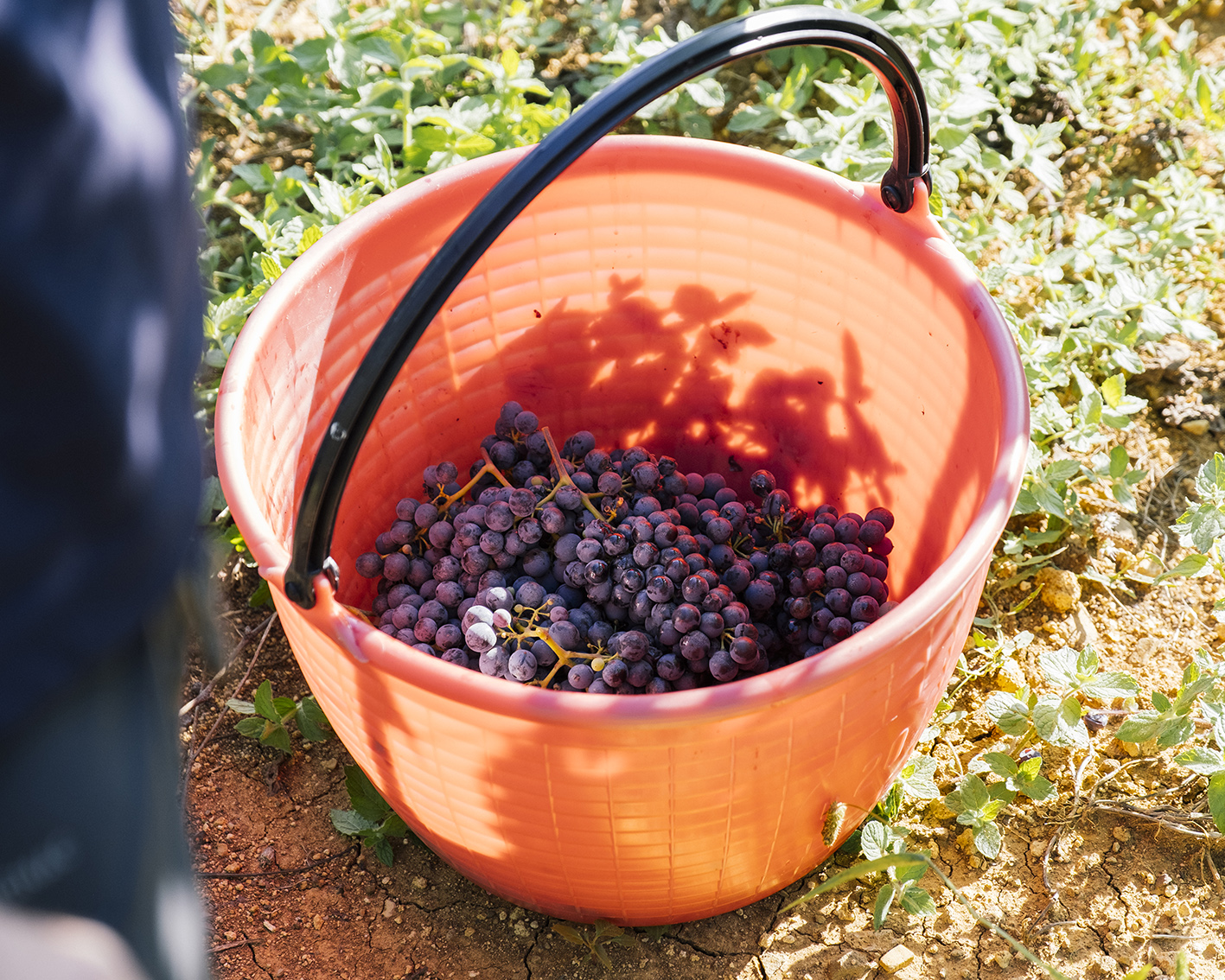
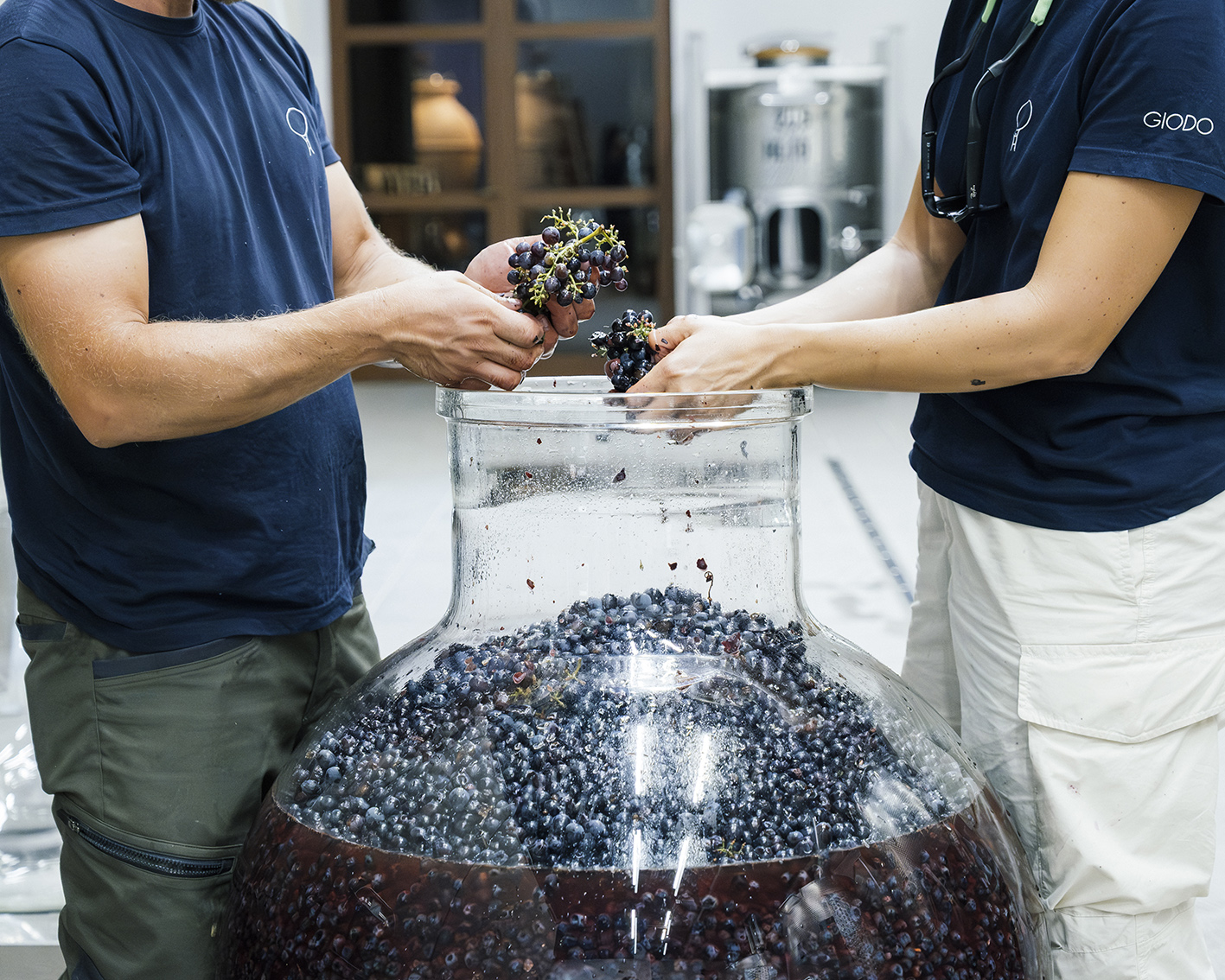
Giodo’s philosophy is centred on vineyard precision and minimal intervention, with a focus on expressing site through carefully managed viticulture. In Montalcino, Sangiovese is cultivated using selected clones, with attention to vine balance, low yields and organic principles. In the cellar, a gravity-fed system is used alongside indigenous yeasts and gentle extraction to preserve clarity and structure. Fermentation and ageing take place across a combination of materials including steel, concrete and oak. This respectful, low-intervention approach, which honours variety and terroir extends to the Etna project, where ancient vineyard material (including pre-phylloxera Nerello Mascalese vines) is cultivated in small, high-altitude parcels using the traditional alberello system.
People:
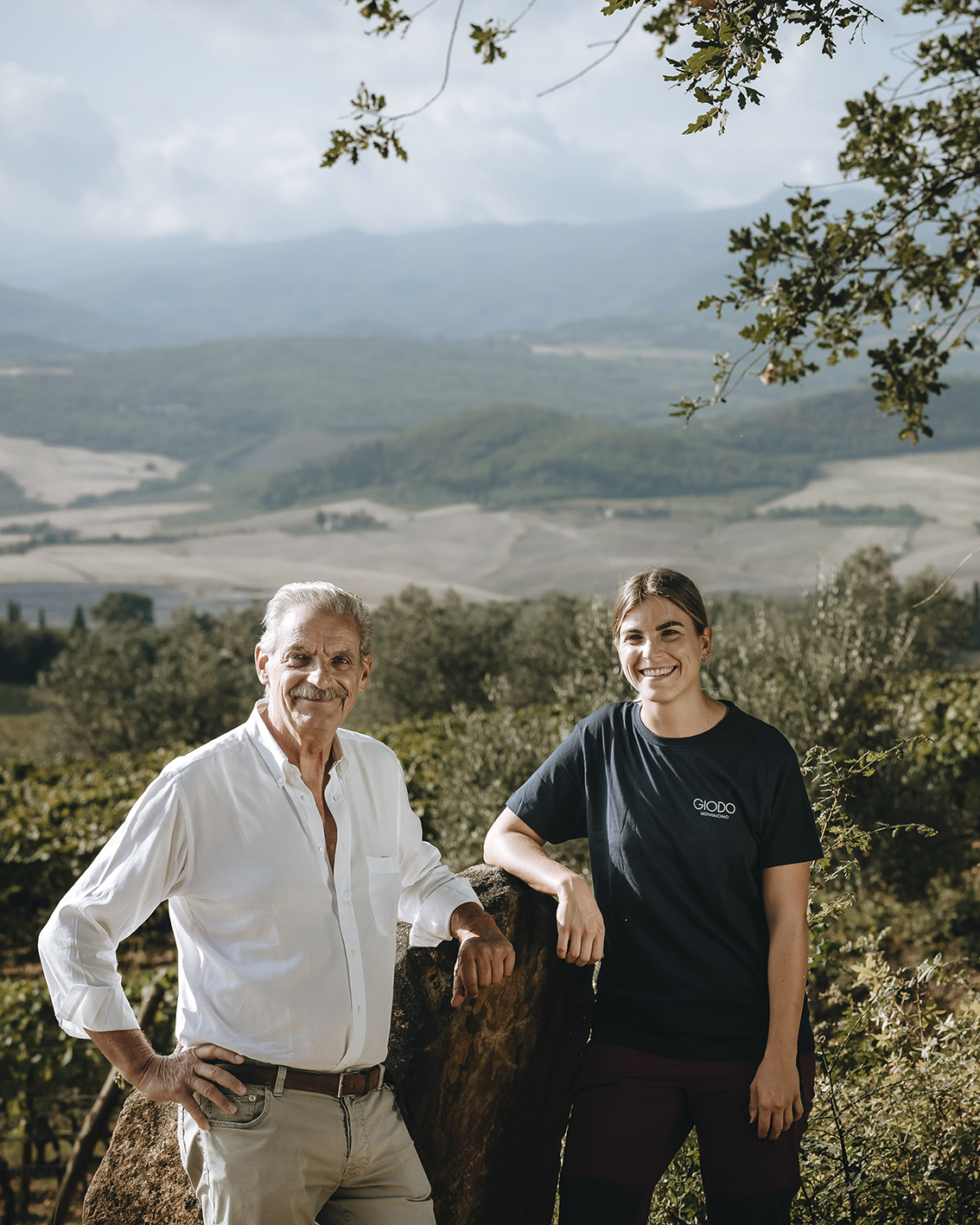
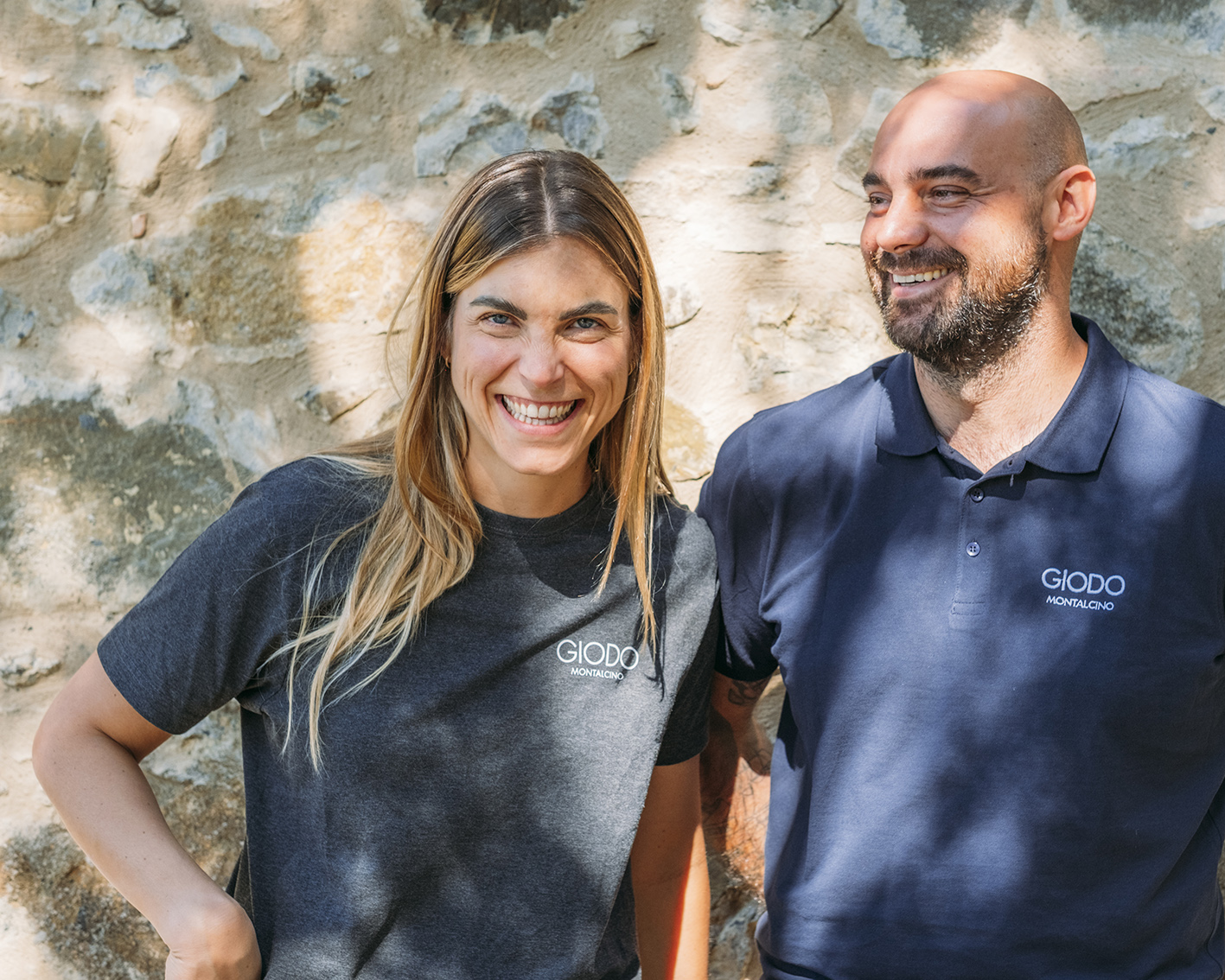
Giodo is a family-run estate led by Carlo Ferrini, with his daughter Bianca Ferrini playing a central role in the winery’s daily operations. Alongside her, Riccardo Ferrari (Bianca’s partner) oversees vineyard management and winemaking, ensuring continuity between vineyard and cellar across both projects. This small, hands-on team is supported by just three dedicated vineyard and hospitality staff, maintaining close control across all aspects of production.
Beyond the Vine:
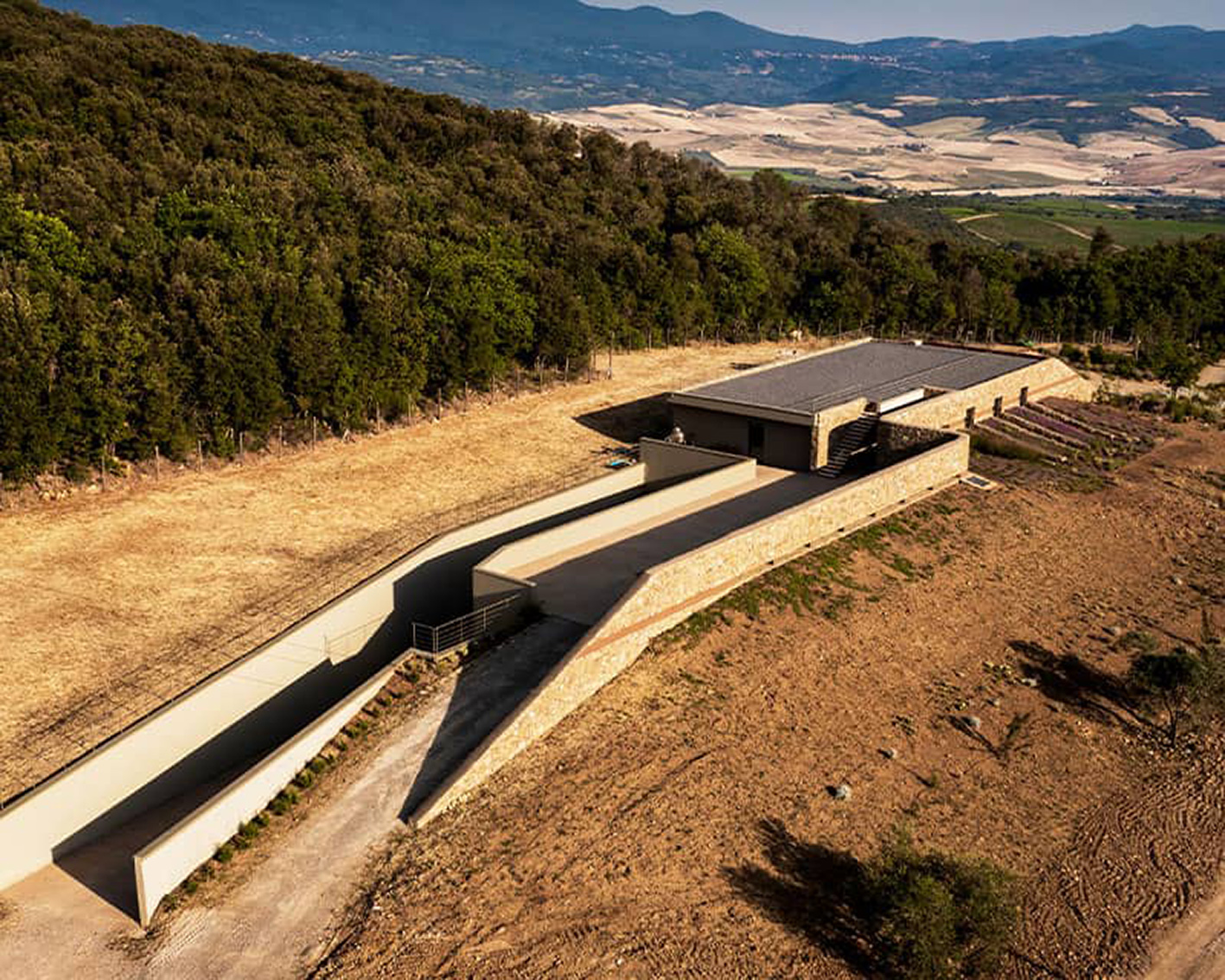
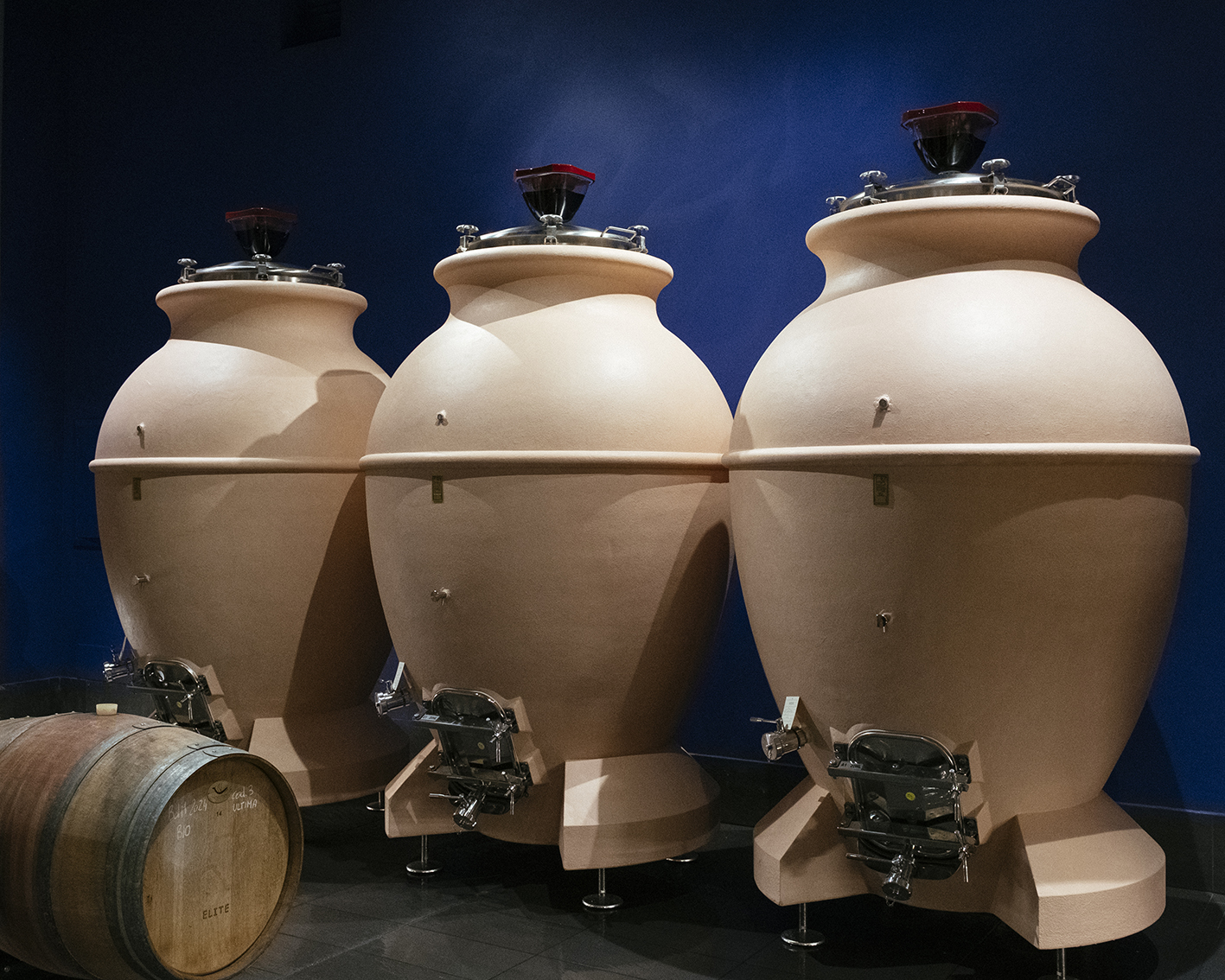
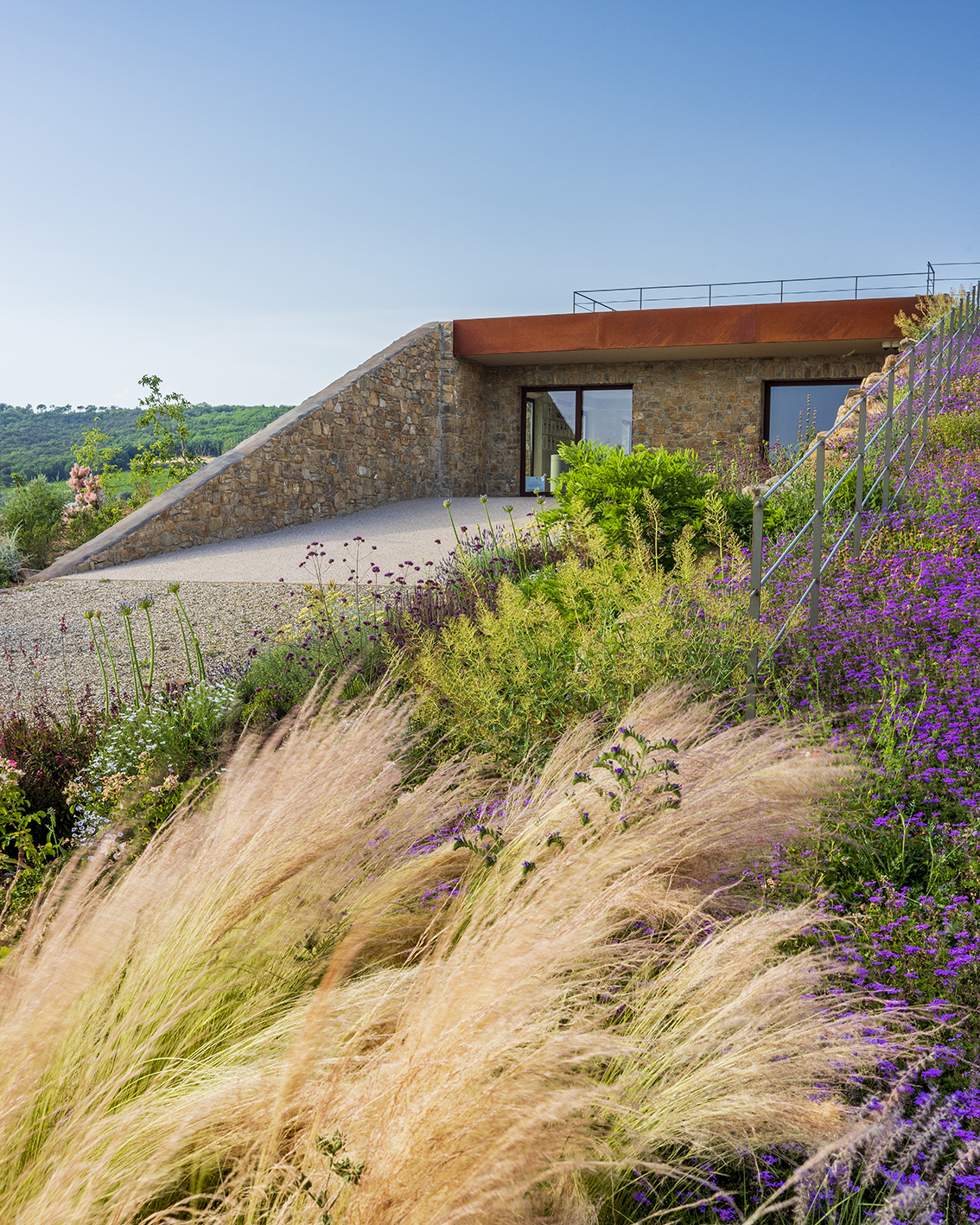
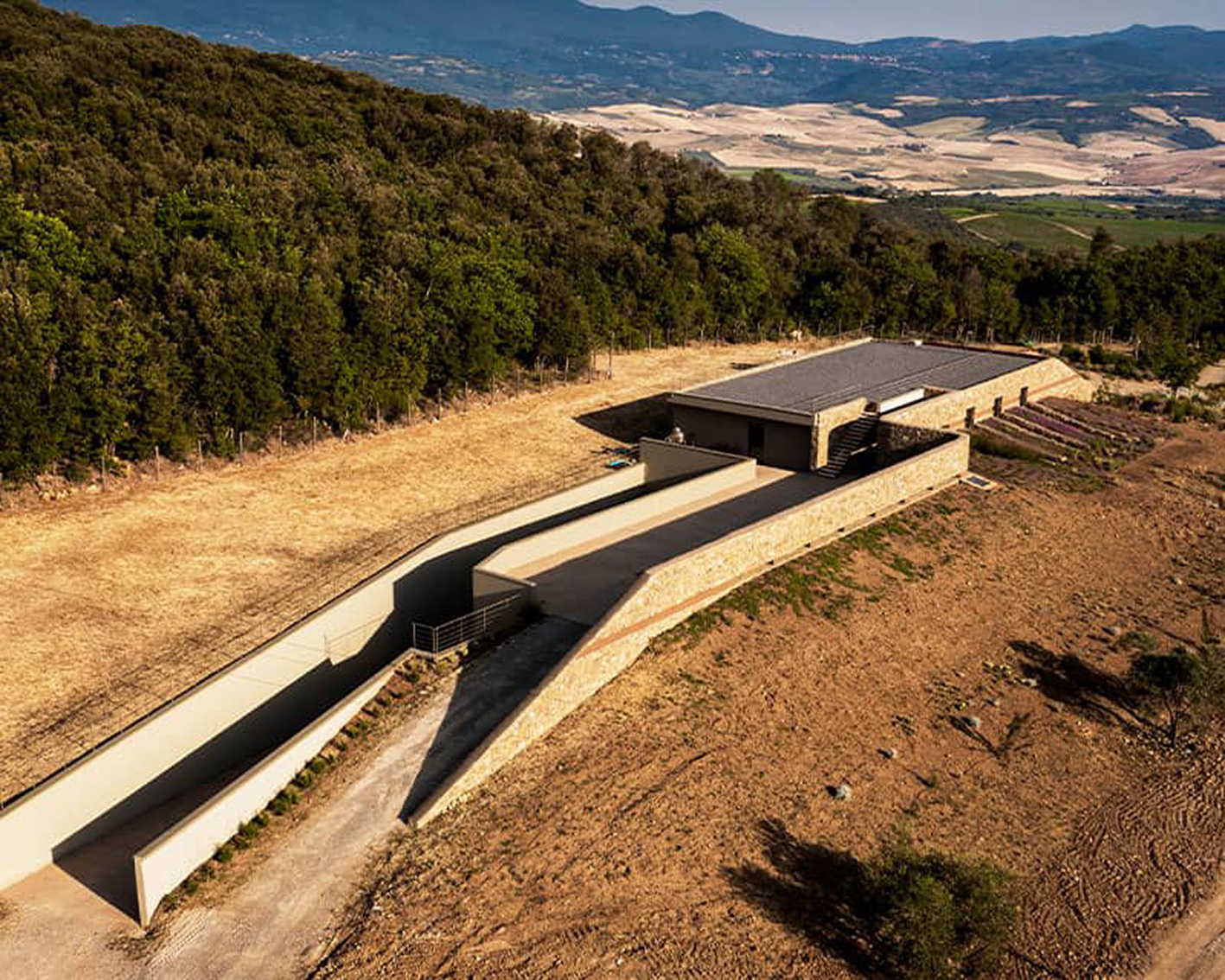
At Giodo, the development of the winery represents a key stage in the evolution of the estate. Until 2020, all wines were produced in external facilities, allowing the focus to remain entirely on vineyard establishment and site selection. The completion of the purpose-built cellar marked the transition to fully controlled, estate-based production, aligning infrastructure with the precision already established in the vineyards. A combination of materials has been used, including stainless steel, concrete and cocciopesto (traditional building material with ancient Roman origins, made from crushed terracotta with lime and natural binders). Designed to integrate with the surrounding landscape, the winery is partially underground, using gravity rather than pumping to move fruit and wine through the cellar.