Terroir Summary:
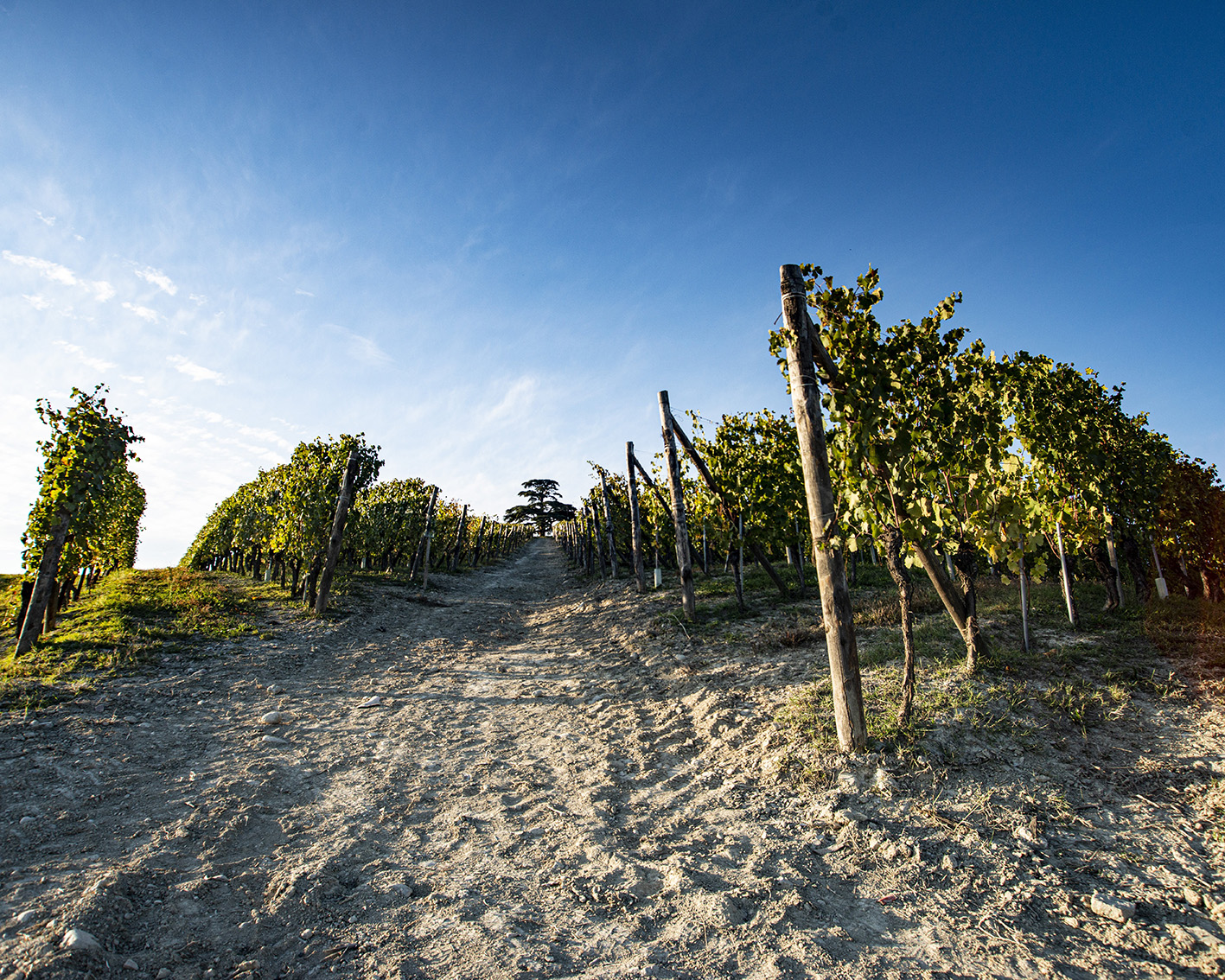
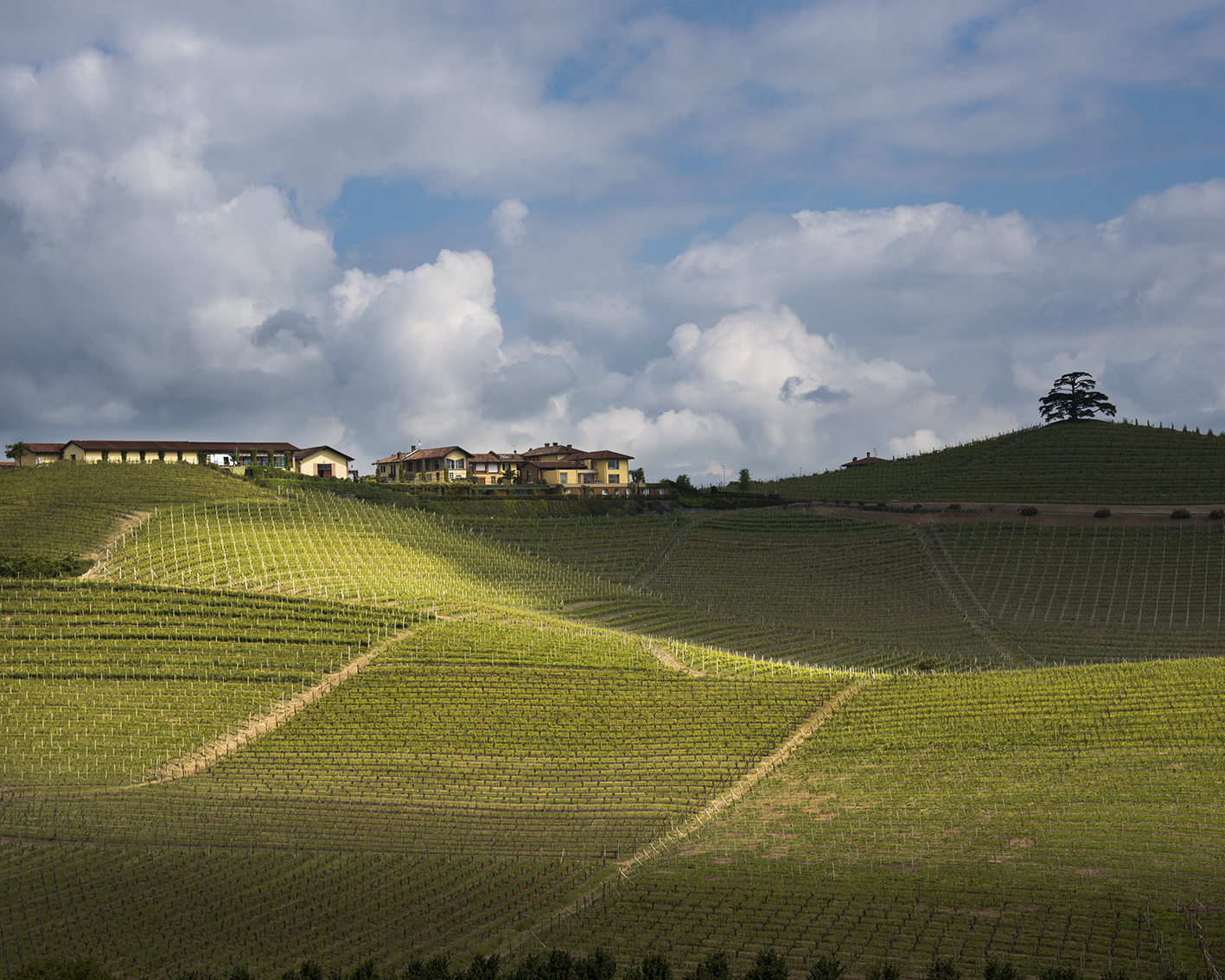
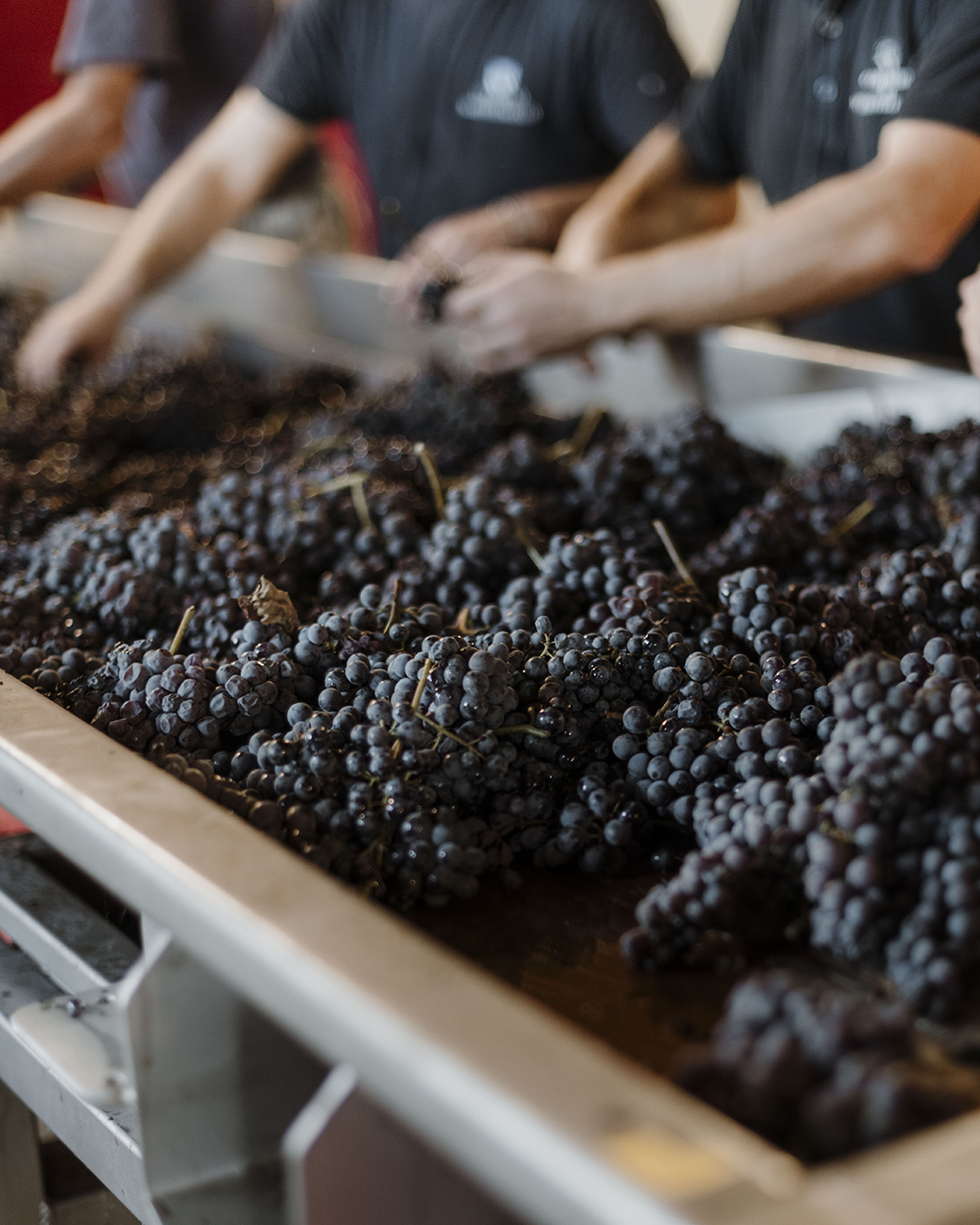
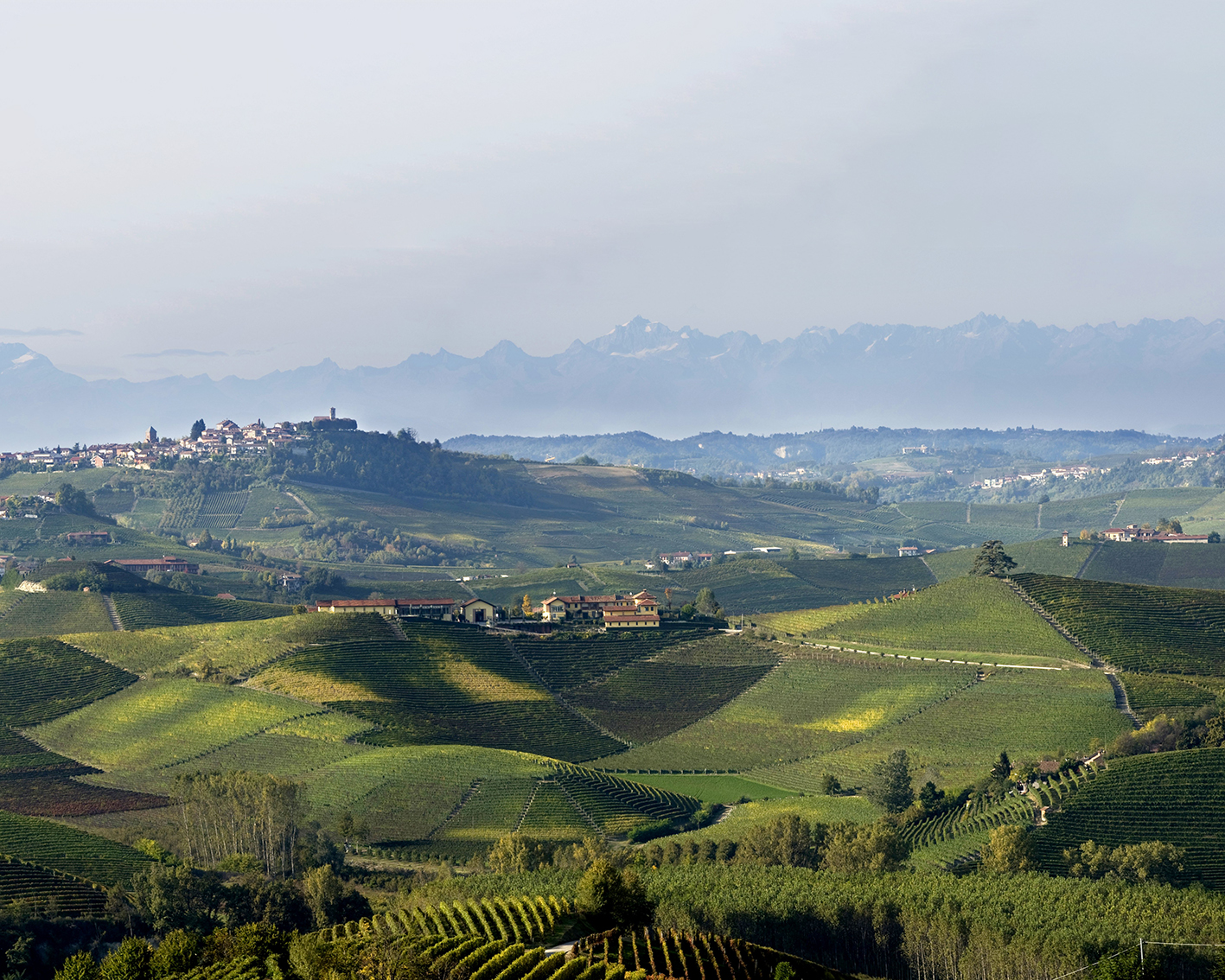
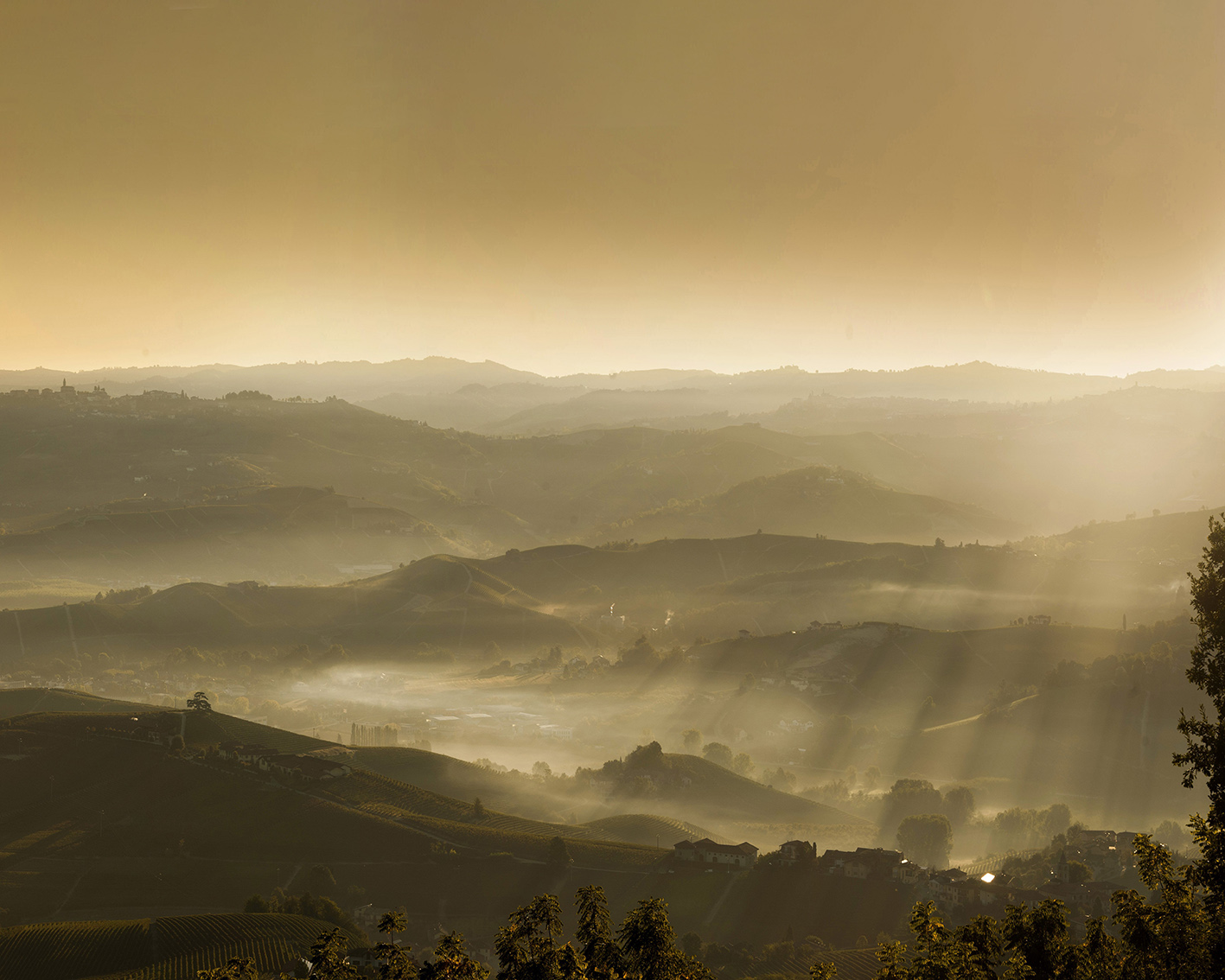
The Annunziata subzone of La Morra, in the heart of the Barolo appellation, is renowned for its calcareous marl soils derived from the Sant’Agata Fossil Marls formation. These soils are typically rich in silt, with moderate clay content and varying proportions of sand, providing excellent water retention while maintaining good drainage. The area experiences a continental climate characterised by warm summers, cool nights, significant diurnal temperature variation and frequent autumn fog. These conditions promote slow, even ripening and help preserve aromatic complexity and acidity. Nebbiolo performs exceptionally well in this terroir, producing wines noted for their elegance, perfume and refined tannic structure as compared with the more powerful expressions from eastern Barolo communes. The combination of calcareous marls and a relatively moderate mesoclimate allows for excellent phenolic maturity while maintaining freshness, resulting in wines with both early accessibility and long ageing potential.
Heritage:
The estate’s roots trace back to the Falletti family, historic landowners of La Morra and among the most influential noble families in the Langhe. During the 19th century, while many of their agricultural holdings were exchanged for fertile lowland properties, the family retained Monfalletto, considering it their finest vineyard site. Commercial winemaking began in the 1830s under Giacinto Massimiliano Falletti and was expanded by Eulalia Dalla Chiesa and Luisa Falletti. Through inheritance, the estate passed to the Cordero di Montezemolo family, who have continued its development for generations. Today, after more than 19 generations of stewardship, the family remains dedicated to preserving and enhancing this historic Barolo estate.
Philosophy: The estate’s philosophy is centred on achieving harmony between all elements of the vineyard ecosystem, including vines, soils, microorganisms, flora, fauna, insects and people. Sustainability is a core value, with ongoing investments in renewable energy, including photovoltaic systems, and a strong commitment to biodiversity through wildlife-friendly practices such as bird-nesting boxes in the vineyards. Careful observation, continuous learning, and respect for natural balances guide every decision. The team aims to act as a moderator of these equilibria, using practices that support vine health while minimising environmental impact. In 2013, the estate adopted organic viticulture and subsequently obtained organic certification. Combining tradition with innovation, it embraces a progressive approach that adapts to evolving climatic and environmental conditions while preserving the cultural and agricultural heritage of the Langhe.
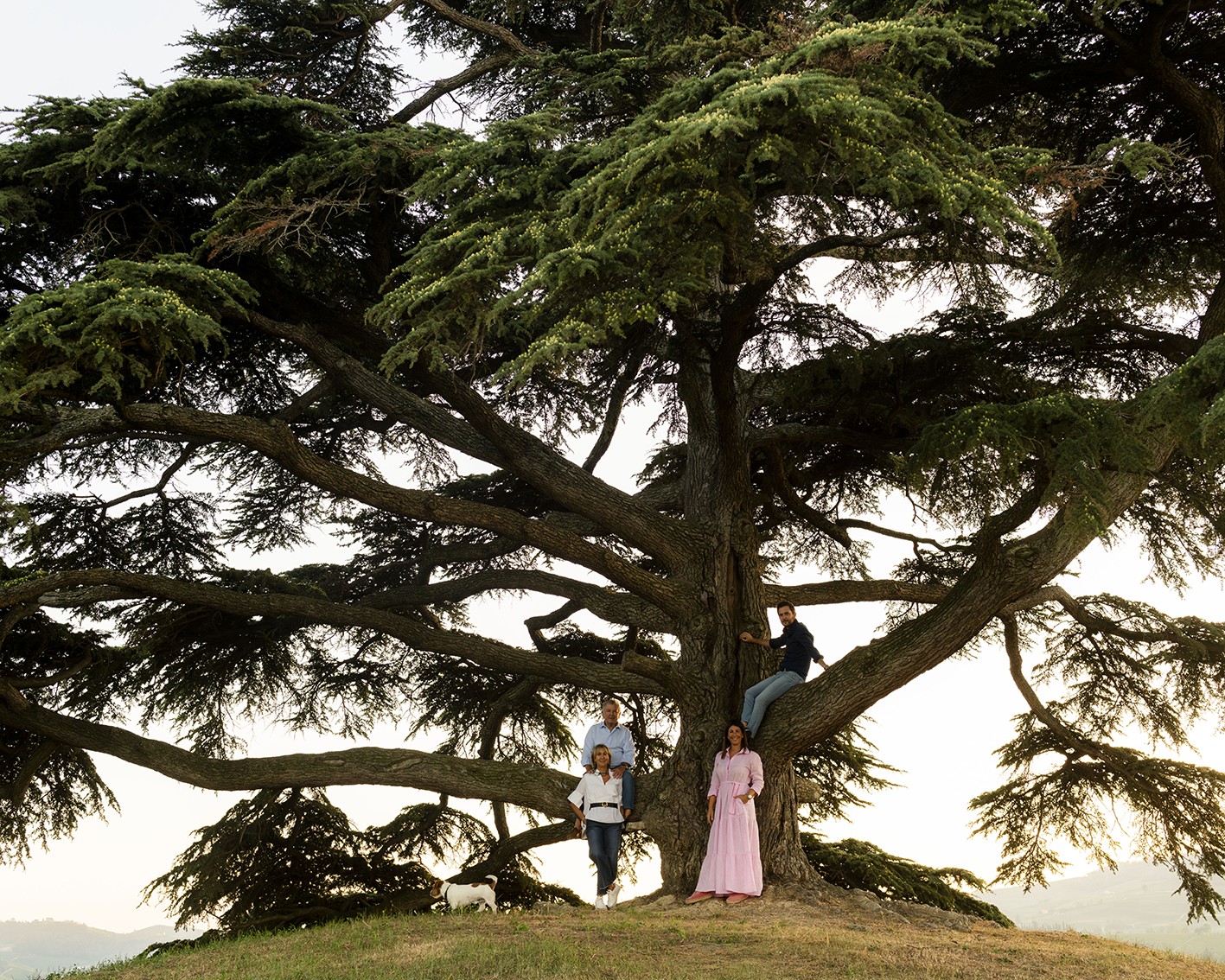
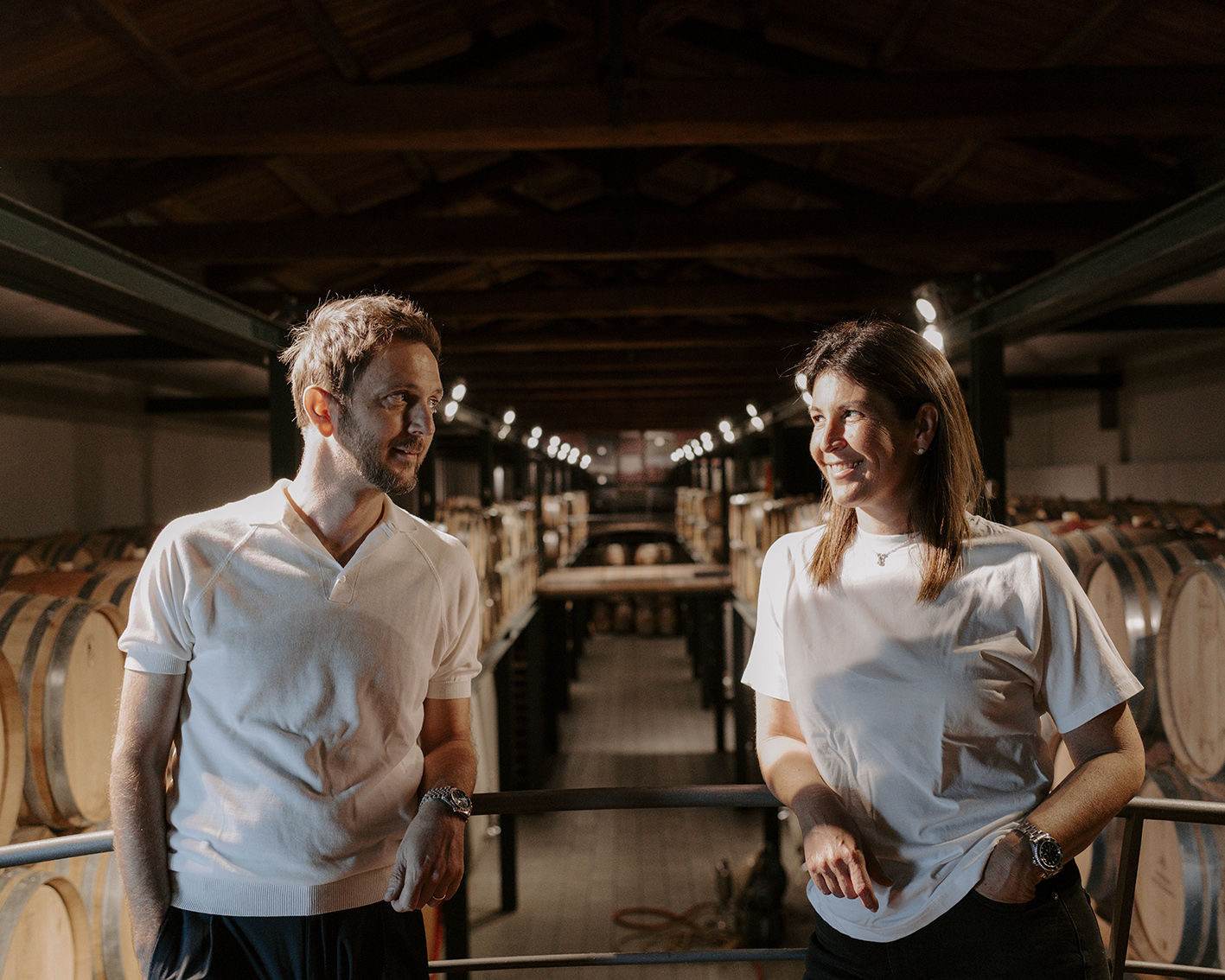
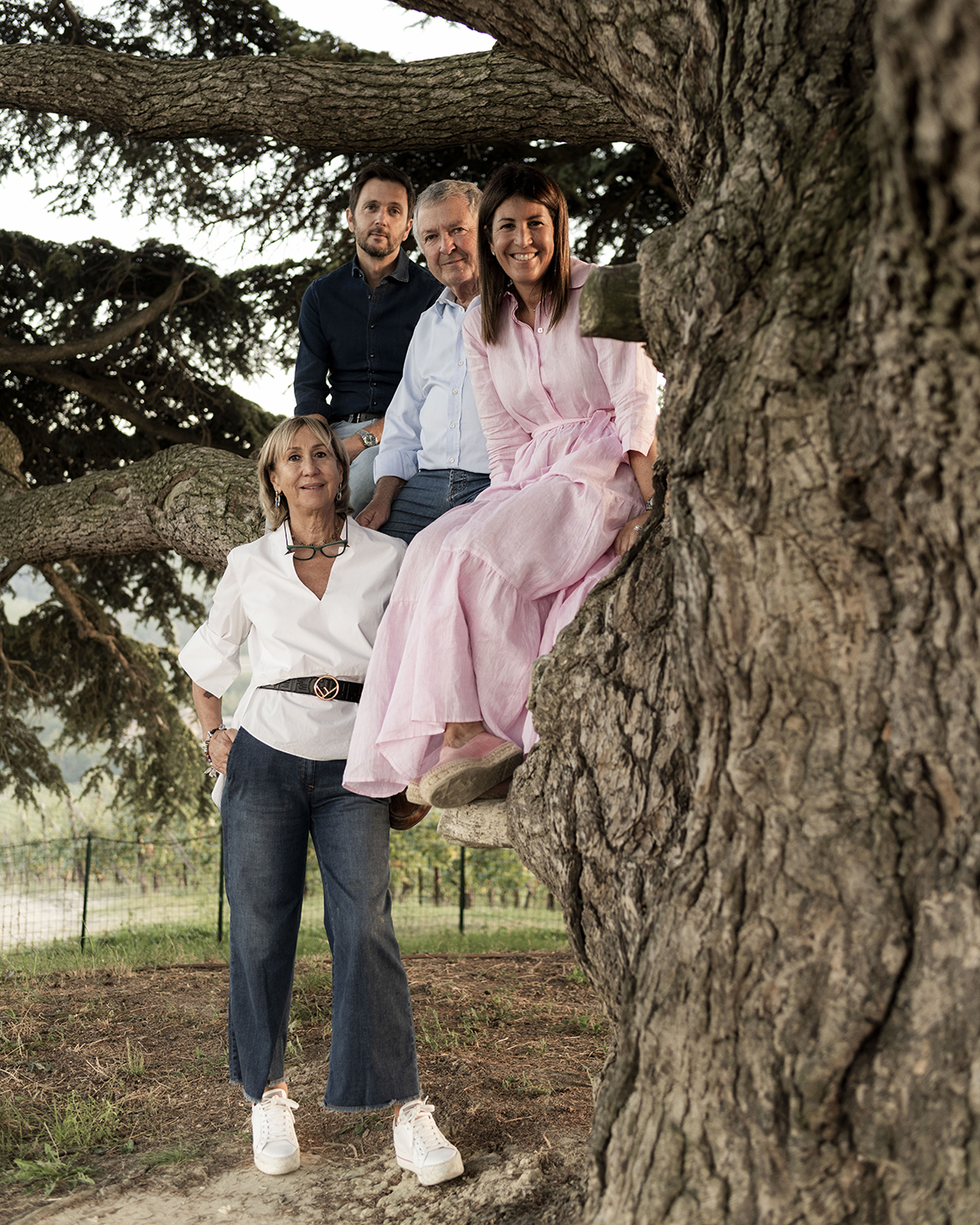
People: Cordero di Montezemolo is led by Giovanni Cordero di Montezemolo together with his children Alberto and Elena, who represent the 19th generation of continuous family ownership. Alberto is closely involved in the commercial direction and winemaking, acting as the estate’s oenologist and public-facing ambassador across international markets, while Elena oversees hospitality and the estate experience, maintaining the property’s reputation for refined, authentic engagement. While the winery remains firmly family-driven, vineyard management and day-to-day operations are supported by a dedicated internal team working across more than 50 hectares of estate vines, ensuring continuity of style, precision in viticulture and a long-term focus on sustainability and site expression.
Beyond the Vine:
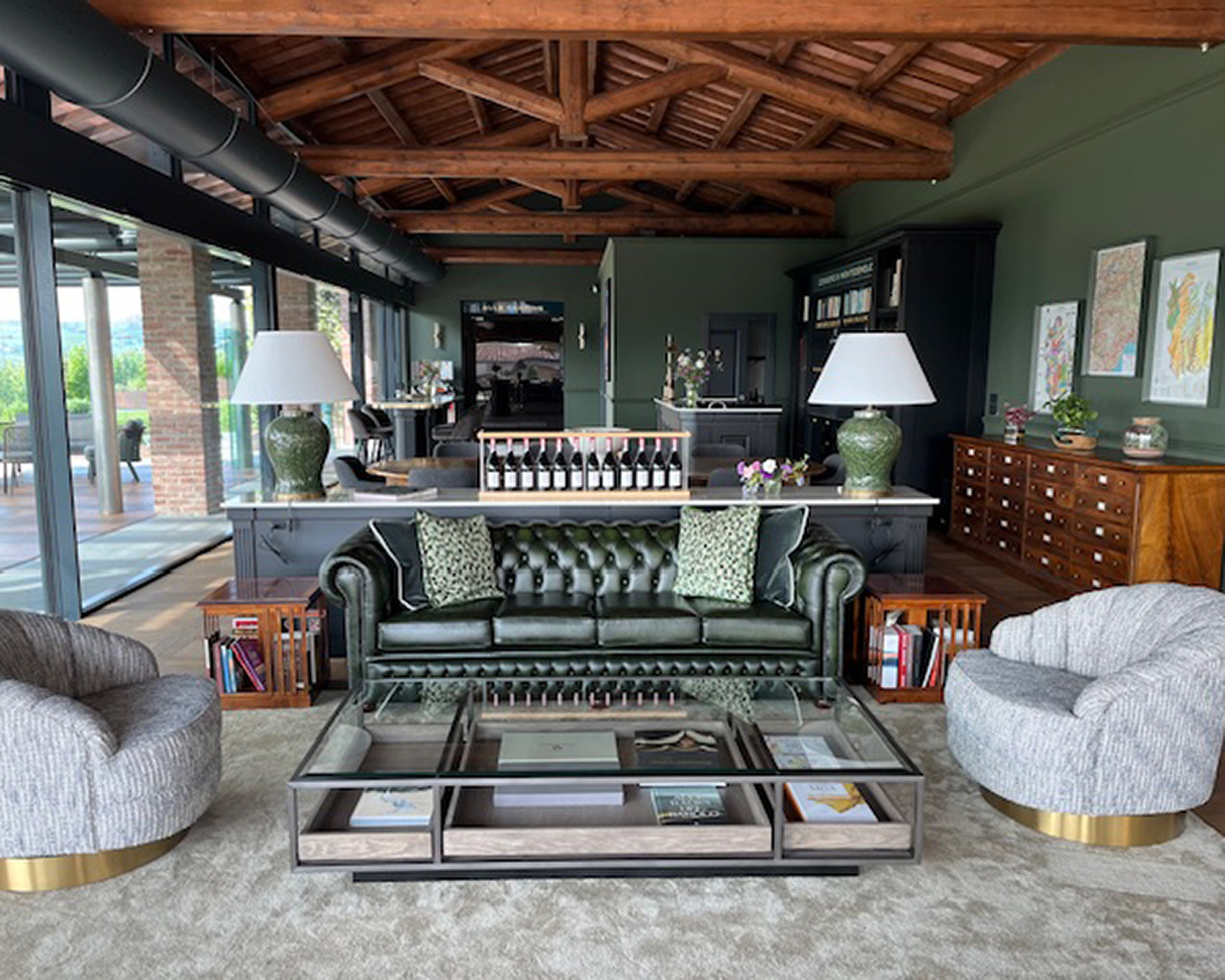
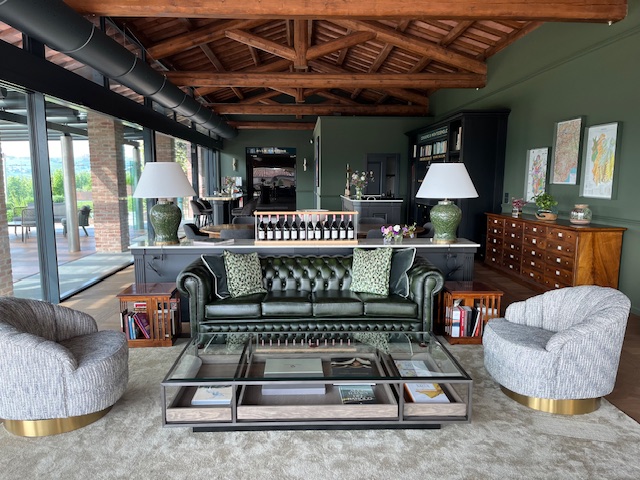
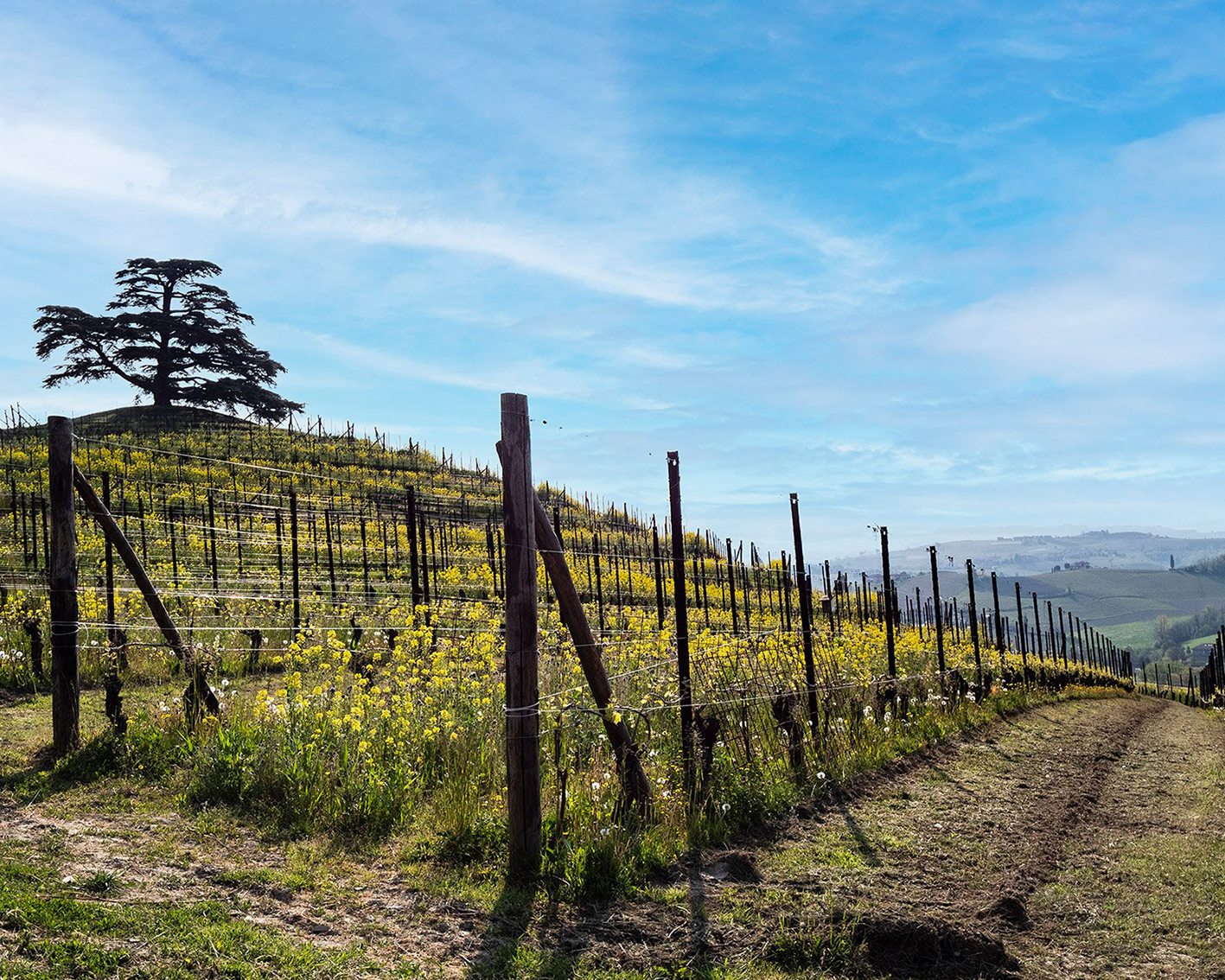
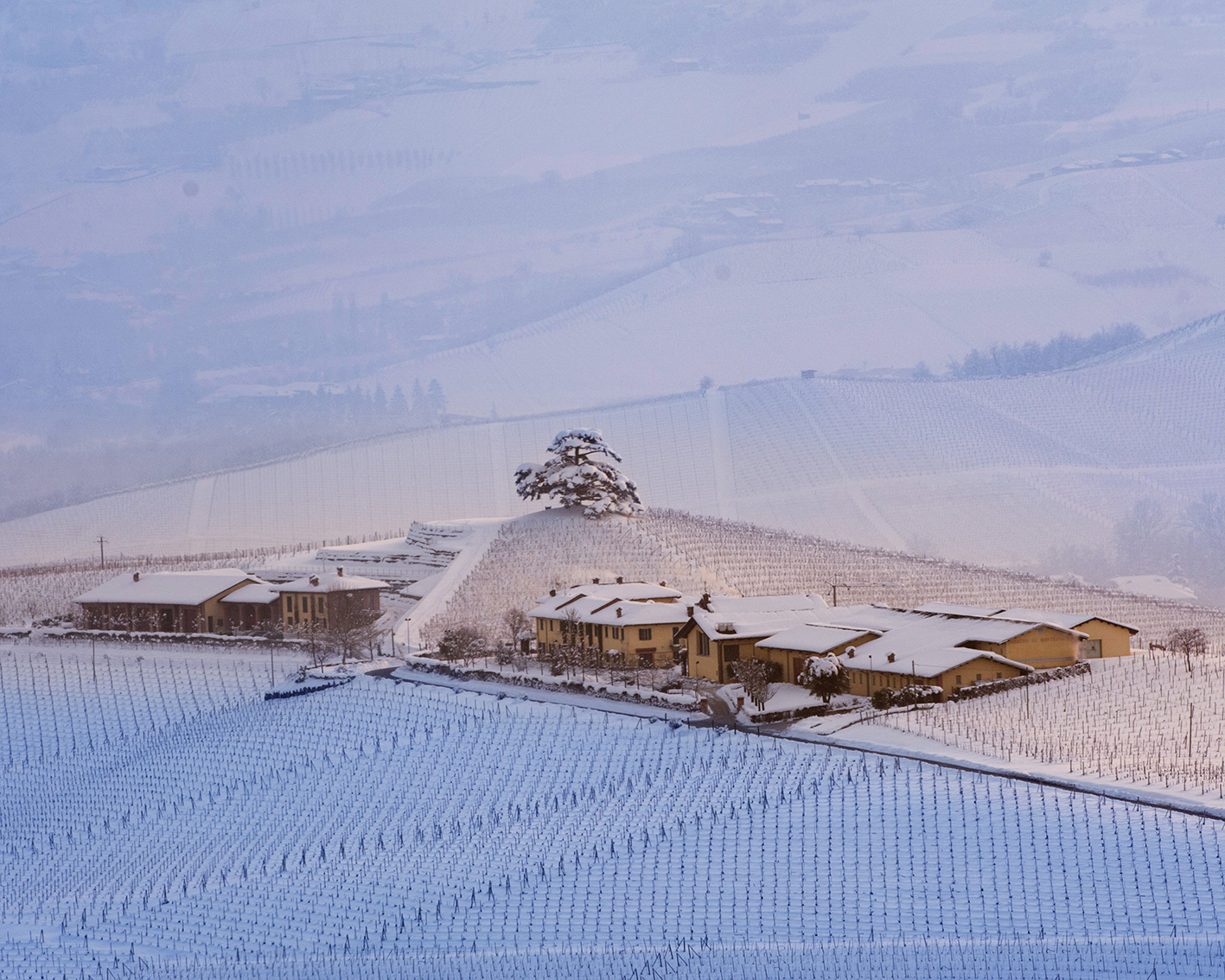
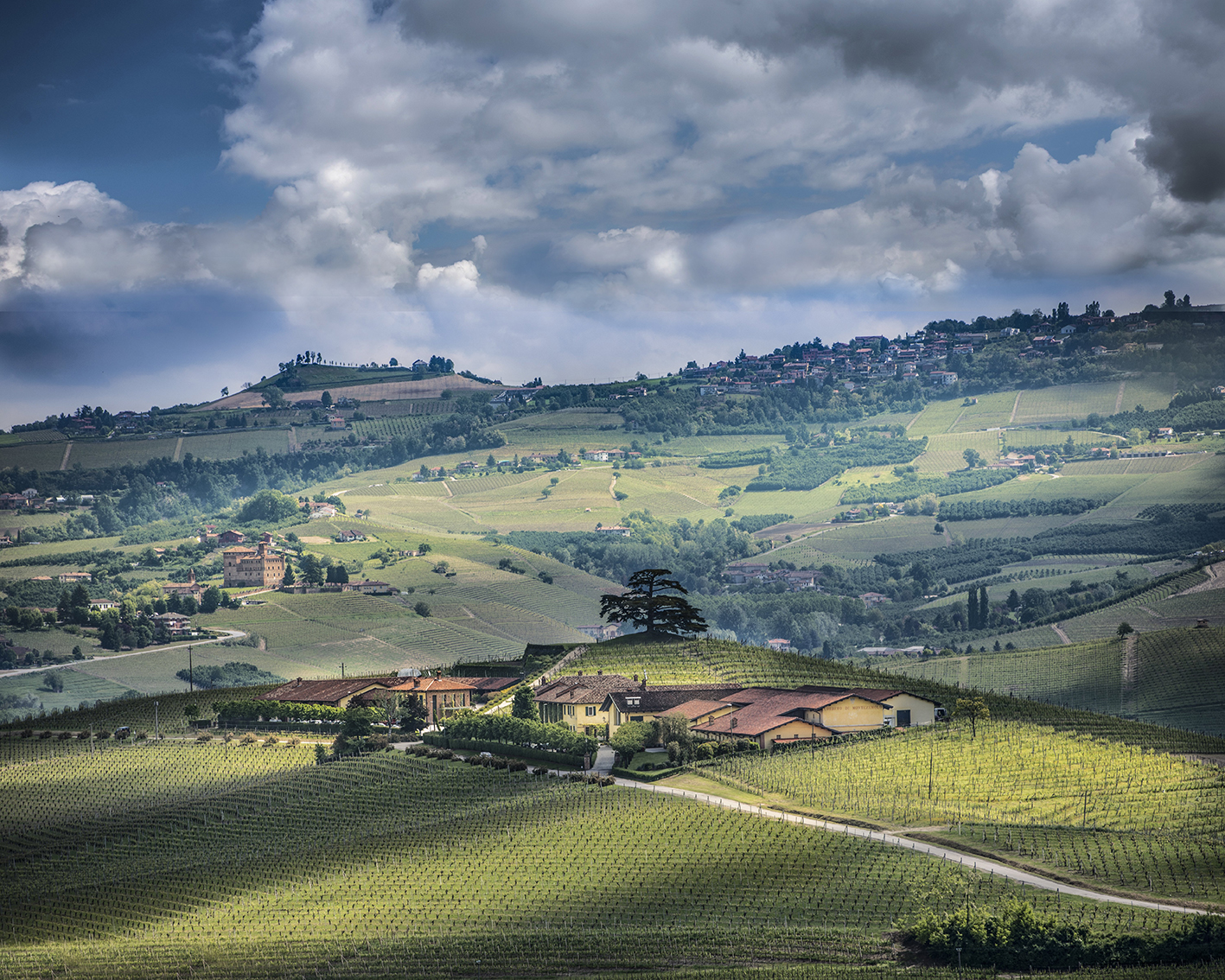
The estate is located in the Annunziata area of La Morra and is defined by a historic cedar of Lebanon (Cedro di Libano), planted in 1856, which stands as a landmark within the surrounding vineyard landscape. Considered a local symbol of enduring connection and love, the tree reflects the close relationship between nature and cultural heritage in the Langhe. The estate also offers a small collection of six apartments set around the winery, providing guests with the opportunity to stay on-site and experience daily life among the vineyards and cellar firsthand.