Terroir summary
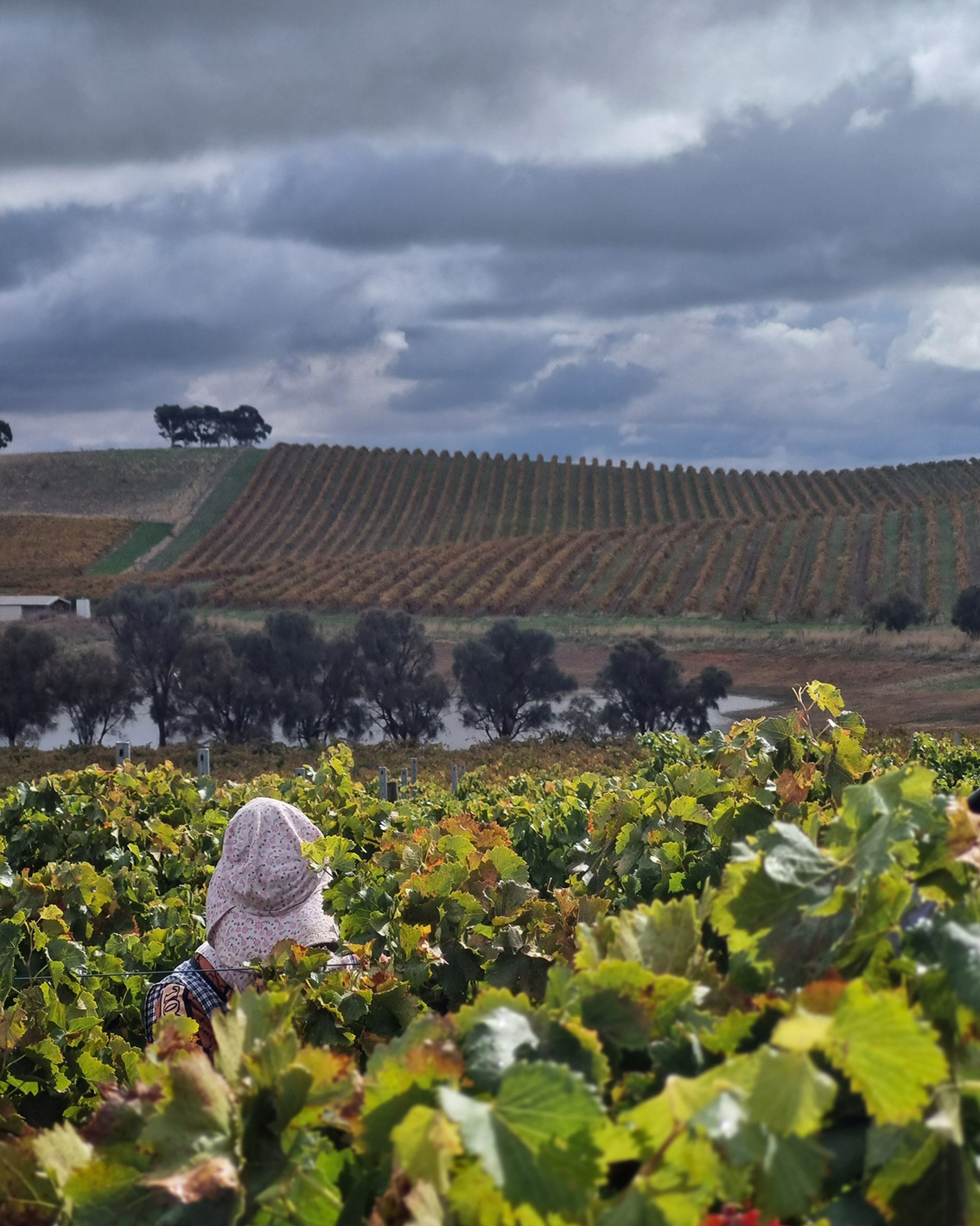
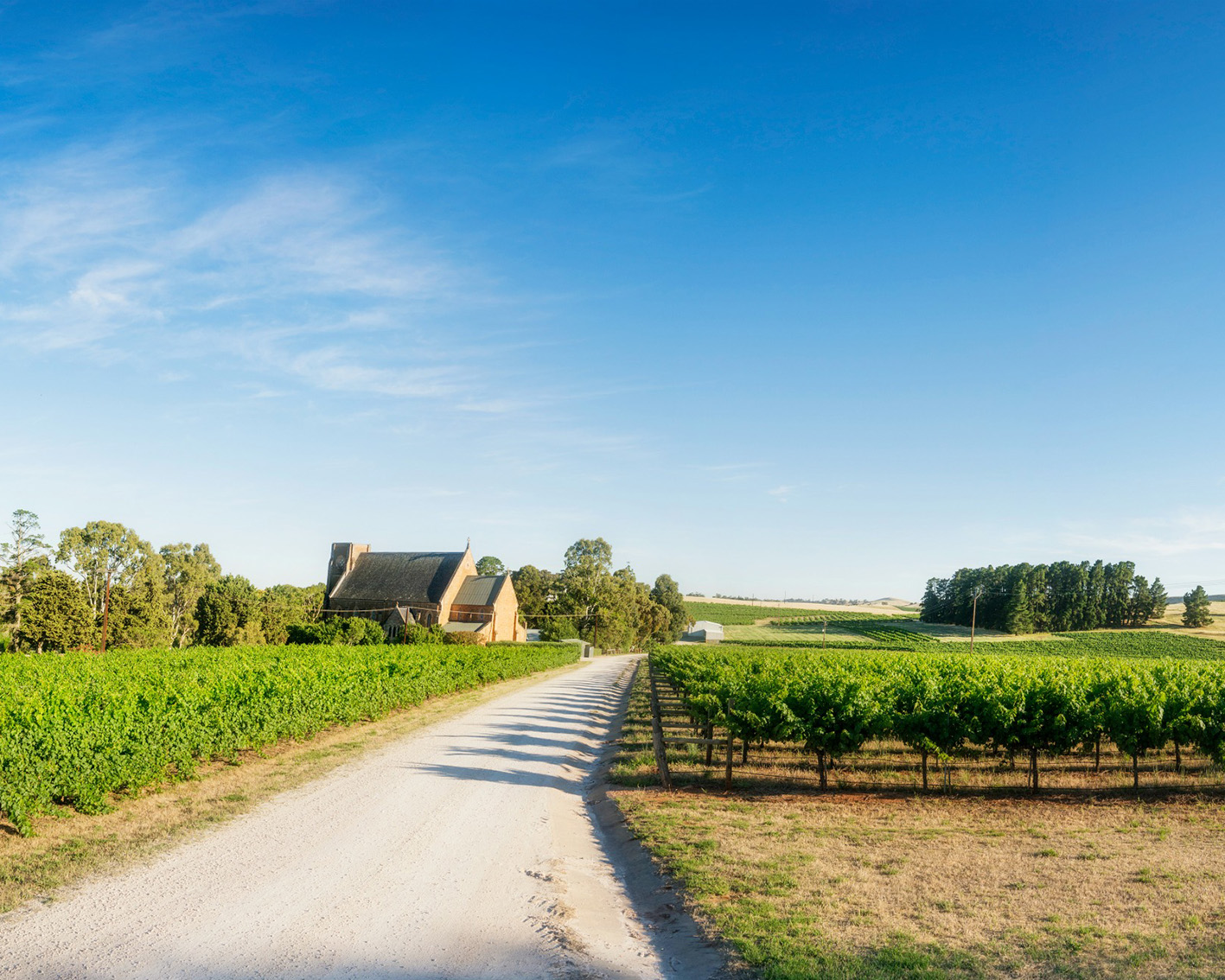
Located in the central Clare Valley, Sevenhill sits amongst rolling hills at elevations that provide warm days, cool nights and a long growing season conducive to retaining freshness, aromatic detail and natural acidity. The estate is distinguished by a mosaic of red clay, loam and slate-derived soils, the latter reflecting the region’s geological heritage and contributing structure and mineral tension to the wines. Clare’s continental climate, marked by significant diurnal temperature variation, is particularly well suited to Riesling while also providing ideal conditions for structured, medium-bodied red varieties.
Heritage:
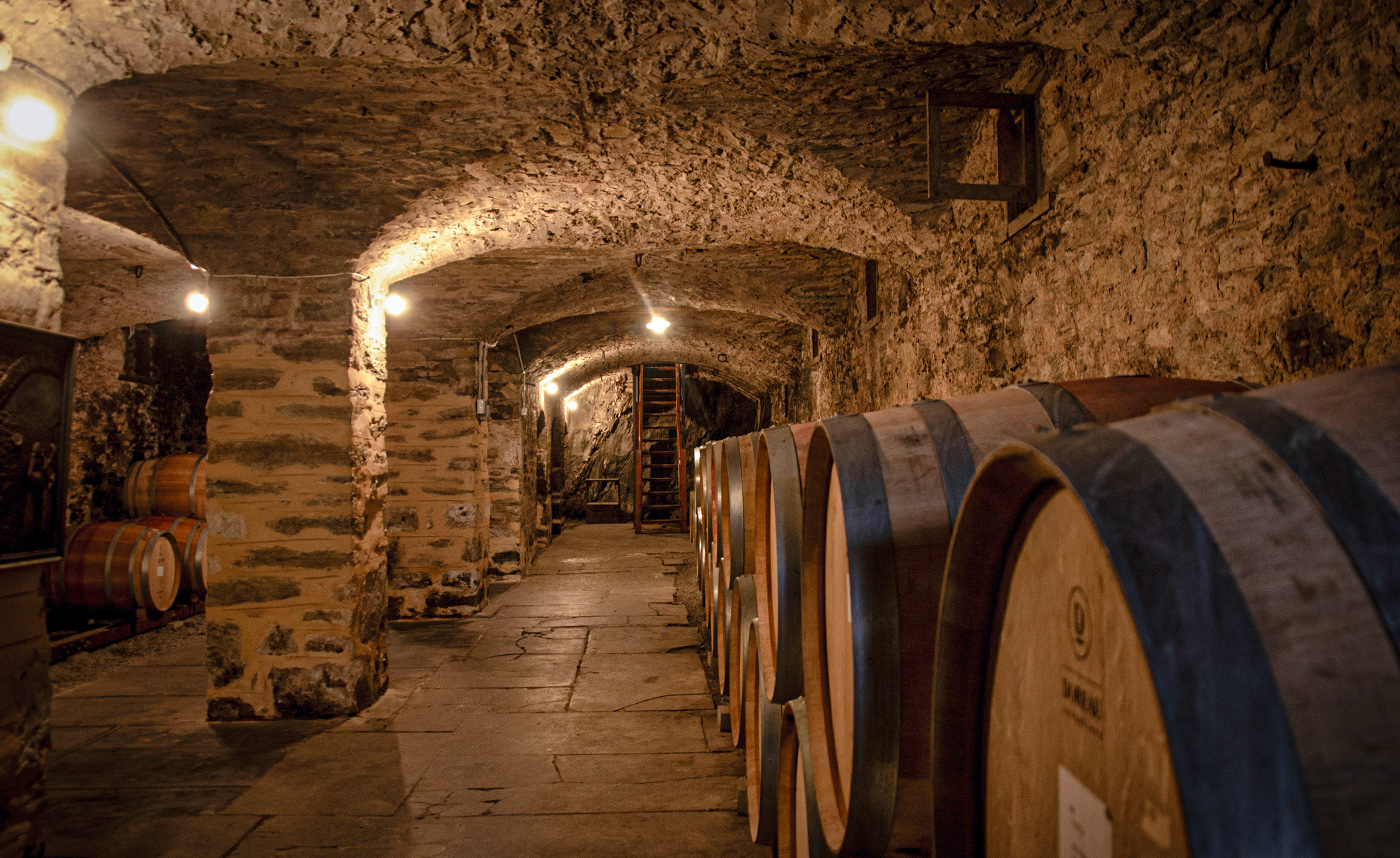
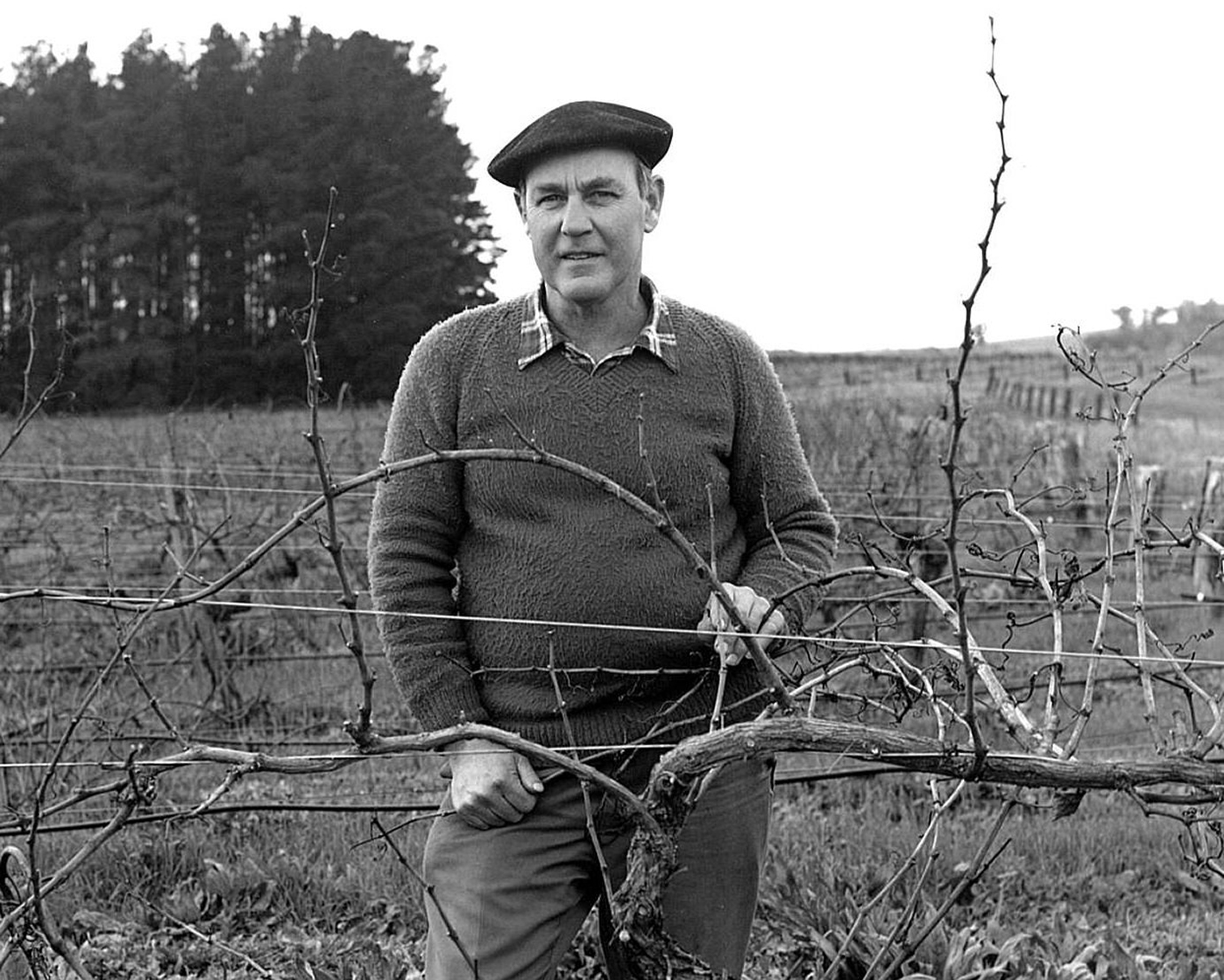
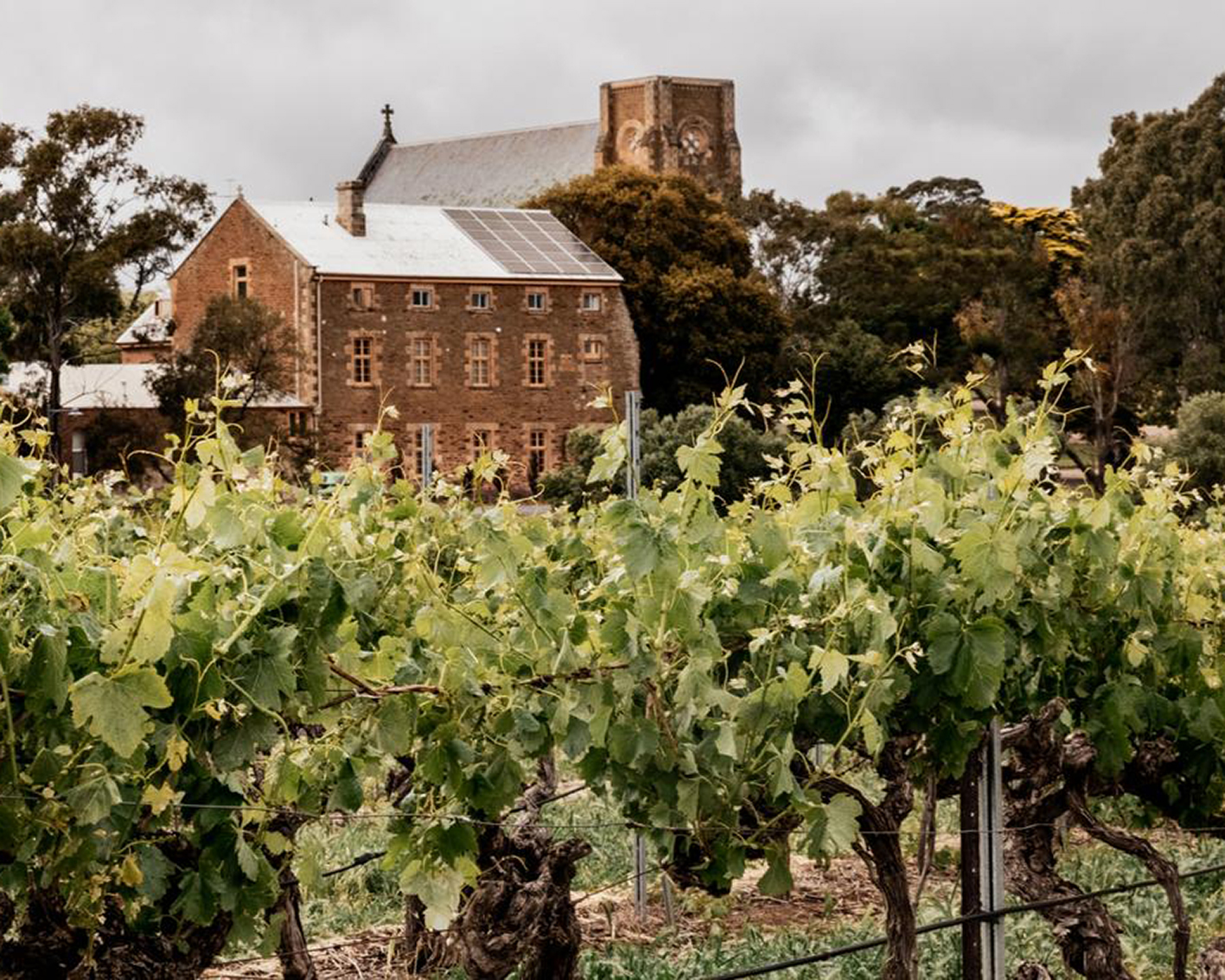
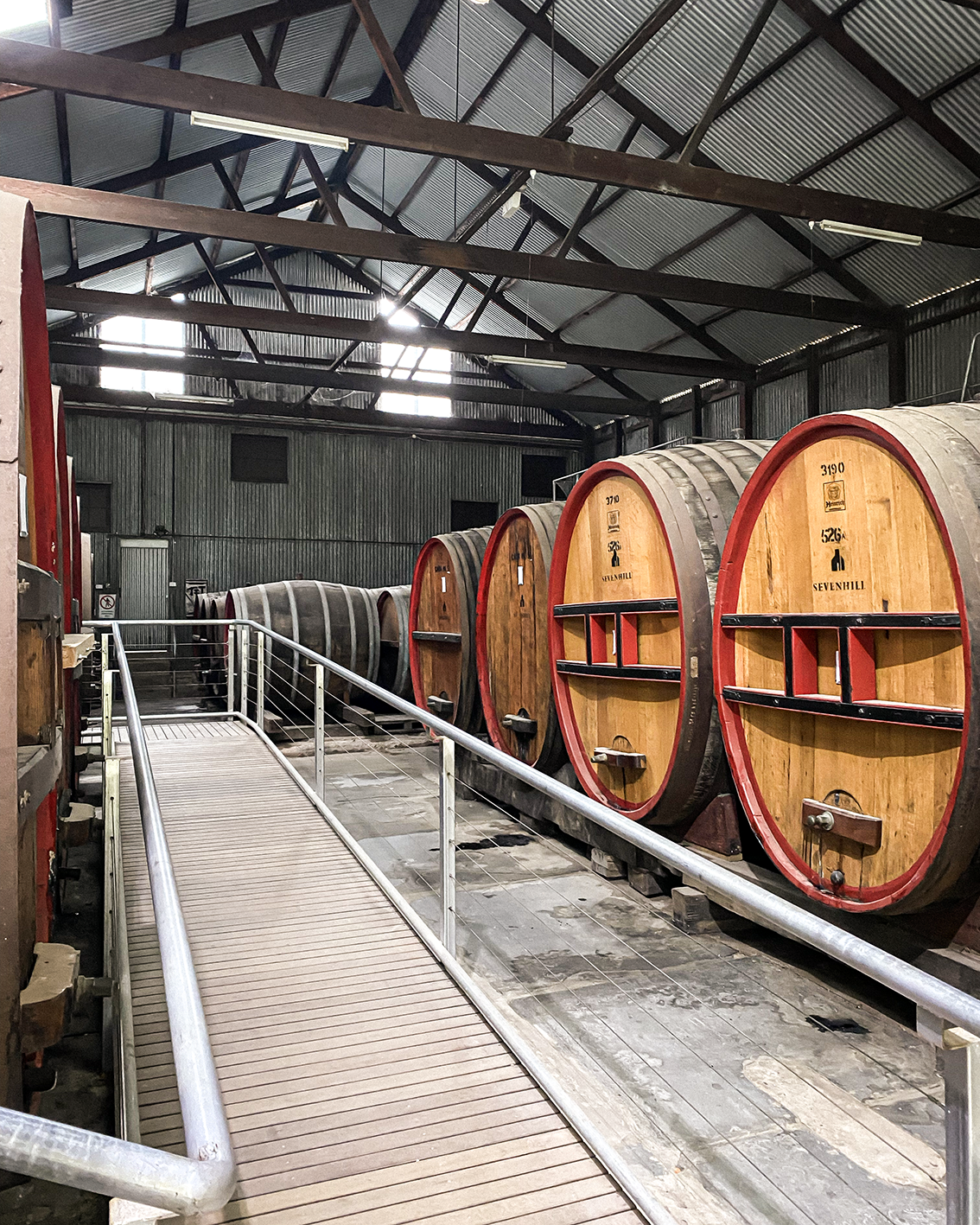
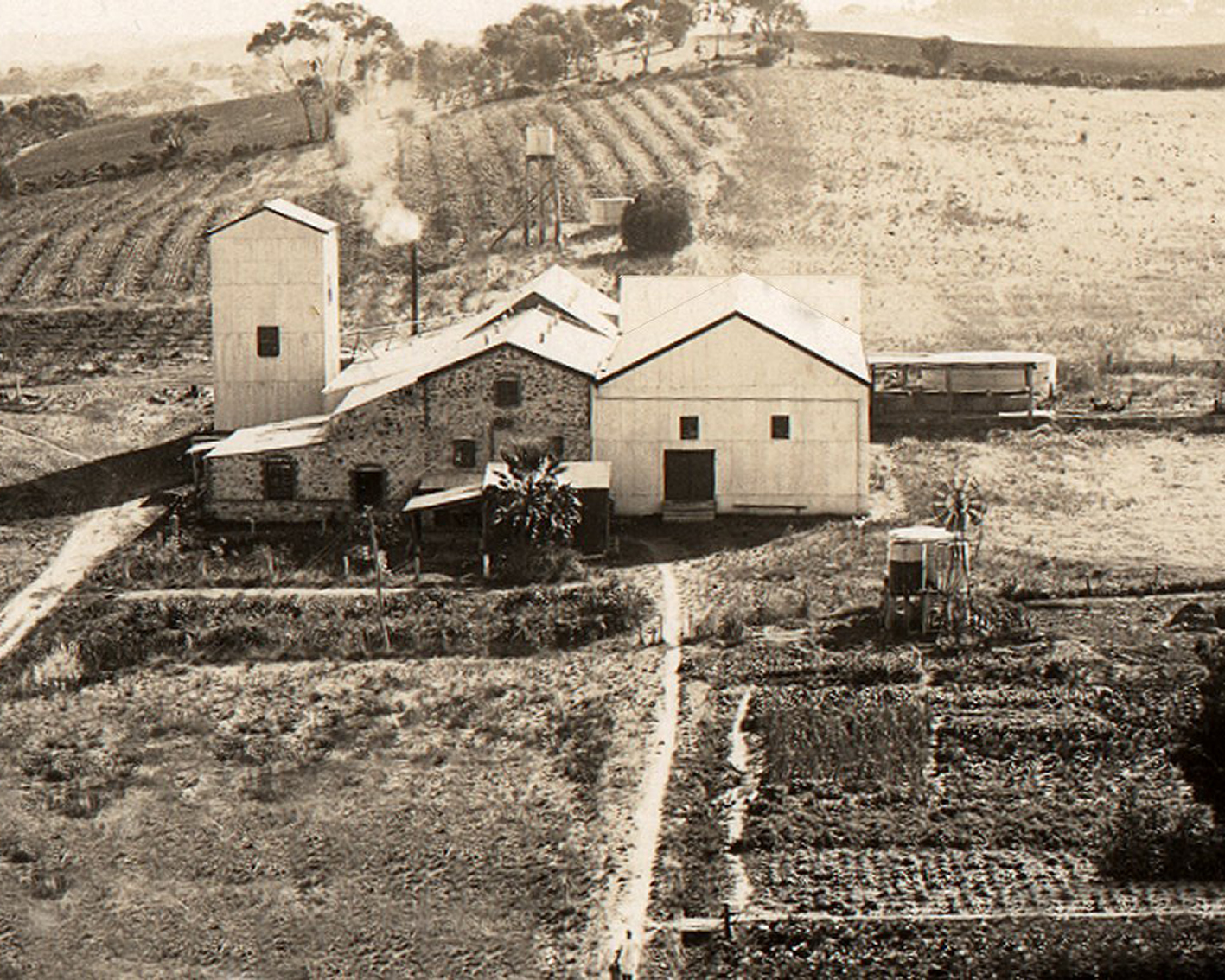
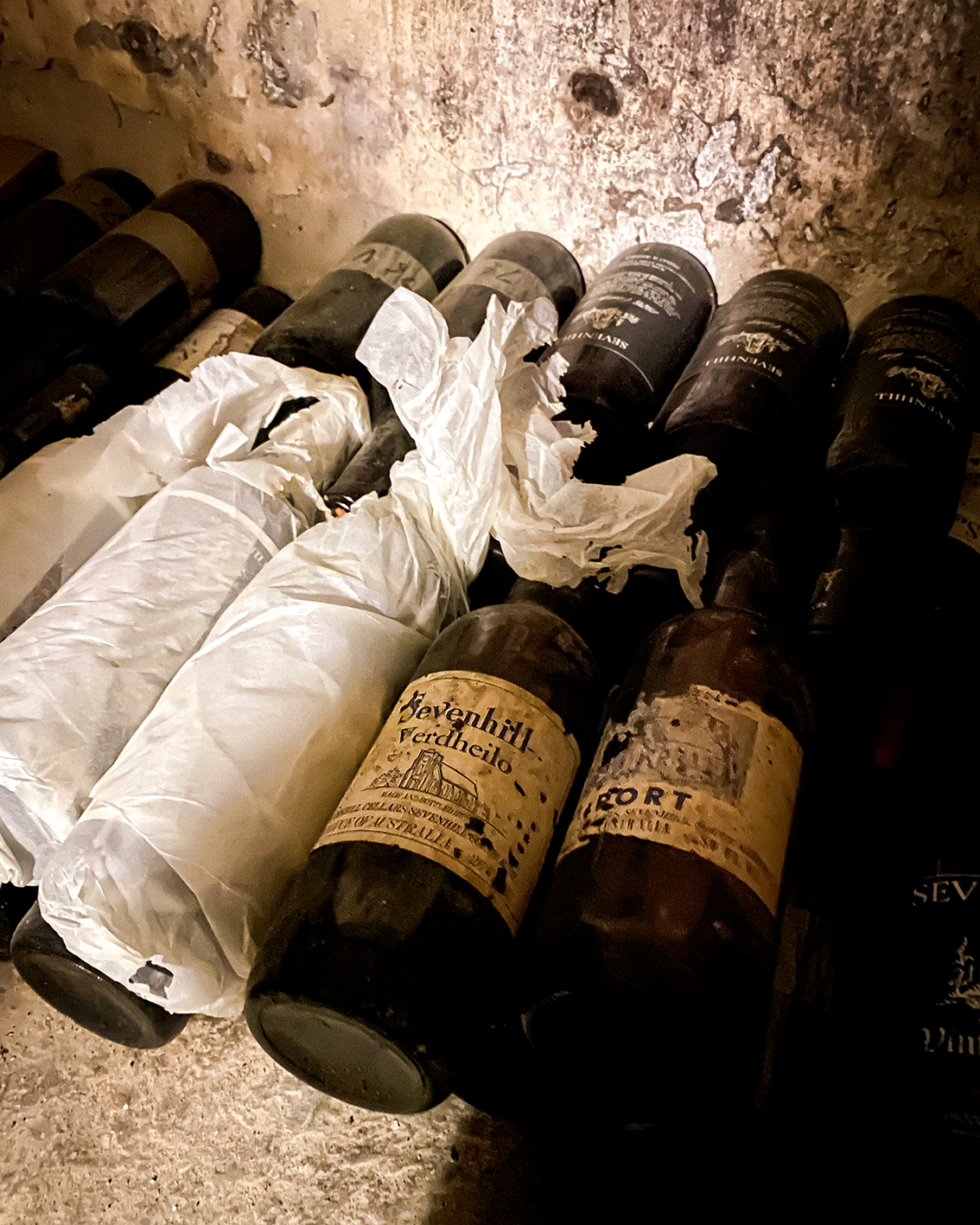
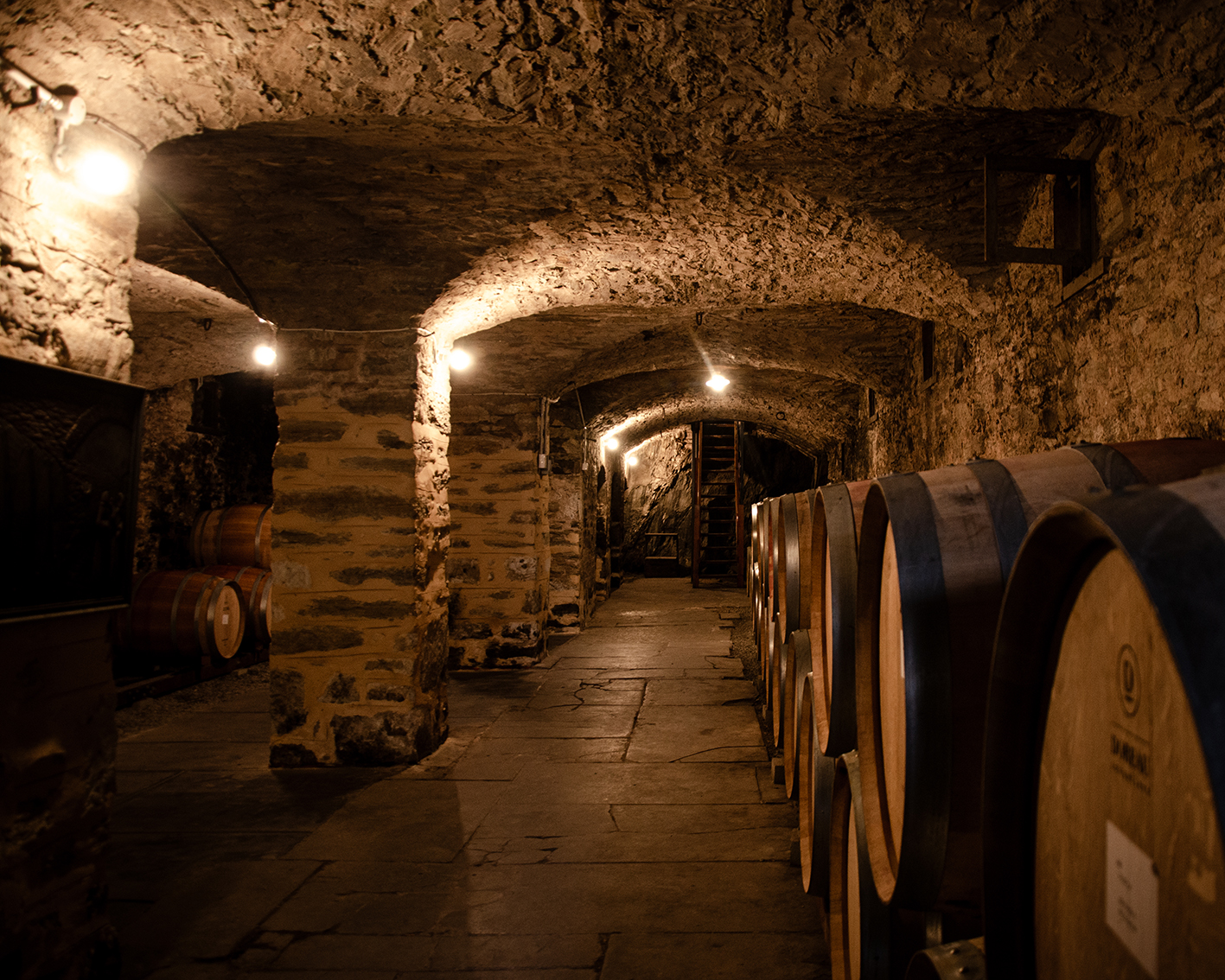
Established in 1851, Sevenhill Cellars is the Clare Valley’s founding winery and one of Australia’s most significant heritage wine estates. Created by Jesuit missionaries who settled in South Australia after fleeing religious persecution in Central Europe, the original vineyard was planted to supply sacramental wine, establishing a tradition that continues today. By the late nineteenth century, Sevenhill had become the centre of Jesuit life in Australia, with vineyards, underground slate cellars, St Aloysius’ Church and educational institutions all developed around the estate. During the second half of the twentieth century, Brother John May SJ became one of the most influential figures in the winery’s history, overseeing winemaking for decades and helping transform Sevenhill from a producer known principally for altar wines into one of Clare Valley’s leading table wine estates. As Sevenhill celebrates 175 years of continuous winemaking, it remains uniquely positioned at the intersection of faith, history and fine wine.
Philosophy:
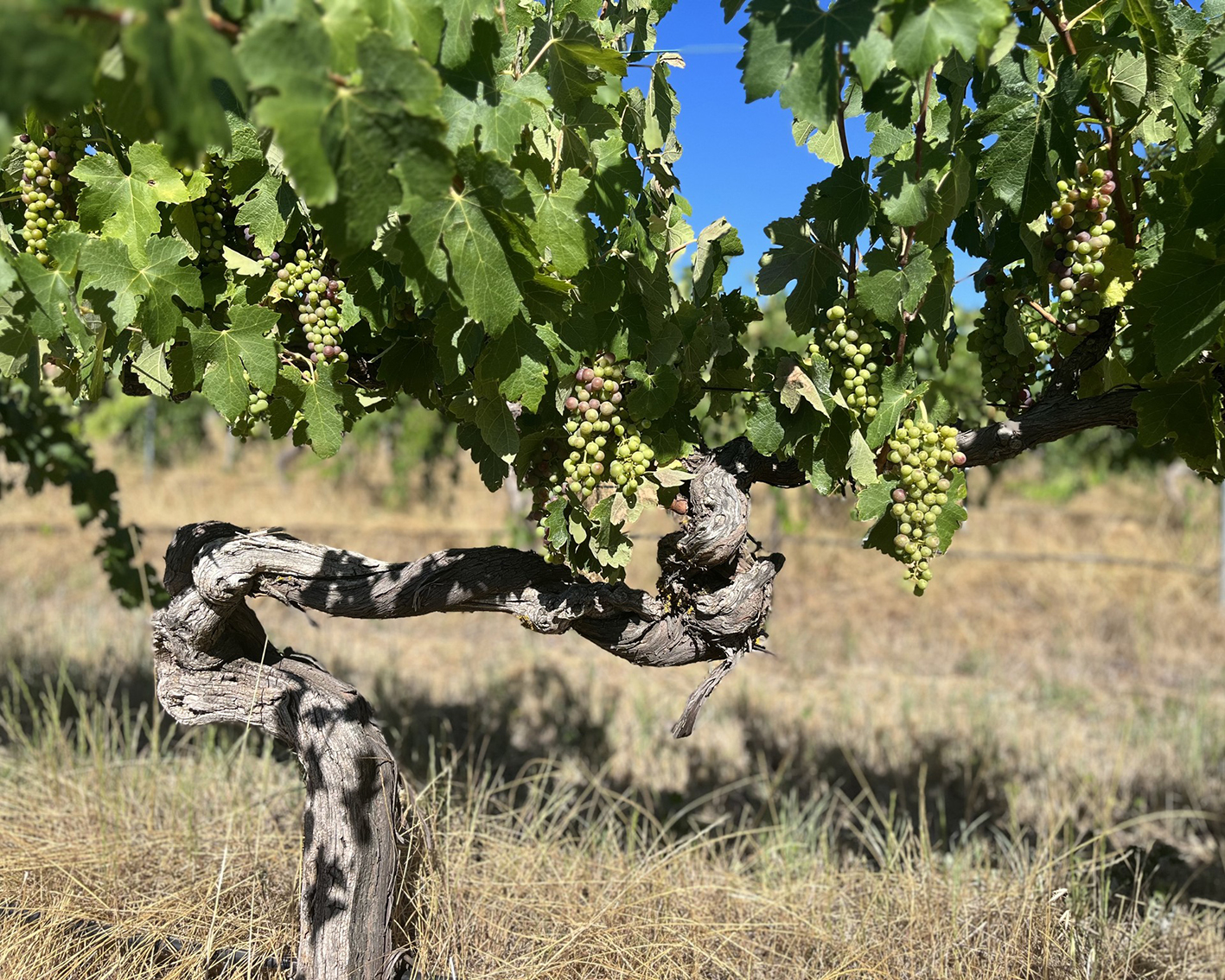
Sevenhill’s philosophy is grounded in stewardship: of the land, its vineyards and an enduring historical legacy. The estate works exclusively with estate-grown fruit, focusing on vineyard health, sustainable farming and the careful preservation of old-vine resources. Winemaking balances respect for tradition with modern precision, aiming to produce wines that reflect Clare Valley’s distinctive landscape rather than overt winemaking influence. This approach favours purity, regional authenticity and longevity, whether in the citrus-driven Rieslings, finely structured Grenache, or classical Clare Valley reds. As custodians of both Australia’s oldest Jesuit winery and some of the Clare Valley’s most historic vineyards, Sevenhill takes a generational view of quality and sustainability.
People:
For much of its history, Sevenhill’s wines were produced by Jesuit brothers, making the estate unique within Australian wine. In 2026, Ben Marx was appointed Chief Winemaker, becoming only the tenth chief winemaker in the winery’s 175-year history and just the third non-Jesuit to hold the position. Having previously worked with Jim Barry Wines and Knappstein, Marx brings extensive Clare Valley experience and a deep understanding of the region’s vineyards. He works alongside General Manager Christian Fraser and long-serving Viticulturist Craig Richards, whose more than two decades of vineyard stewardship have helped shape the estate’s current focus on sustainable viticulture and site expression.
Beyond the vine:
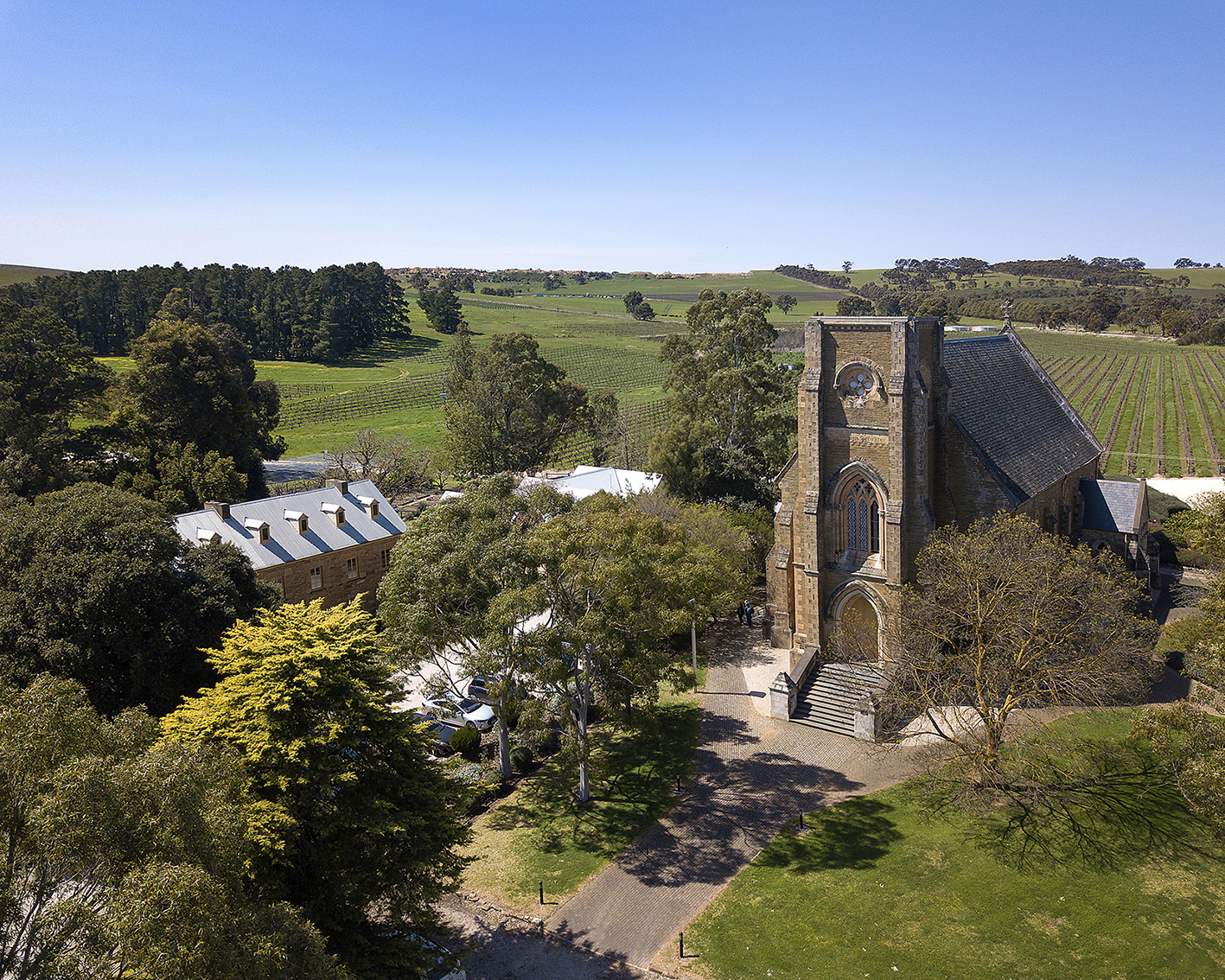
While Sevenhill is best known for its wines, it is equally significant as the birthplace of the Jesuits in Australia and one of the country’s most important religious heritage sites. The property is home to the Gothic Revival St Aloysius’ Church, completed in 1875, and an historic crypt that serves as the resting place of generations of Jesuits. More than 45,000 visitors annually explore the winery, church, underground cellars and heritage grounds, making Sevenhill one of South Australia’s most visited wine tourism destinations and a rare example of a living site where faith, history and wine continue to intersect.