Terroir Summary:
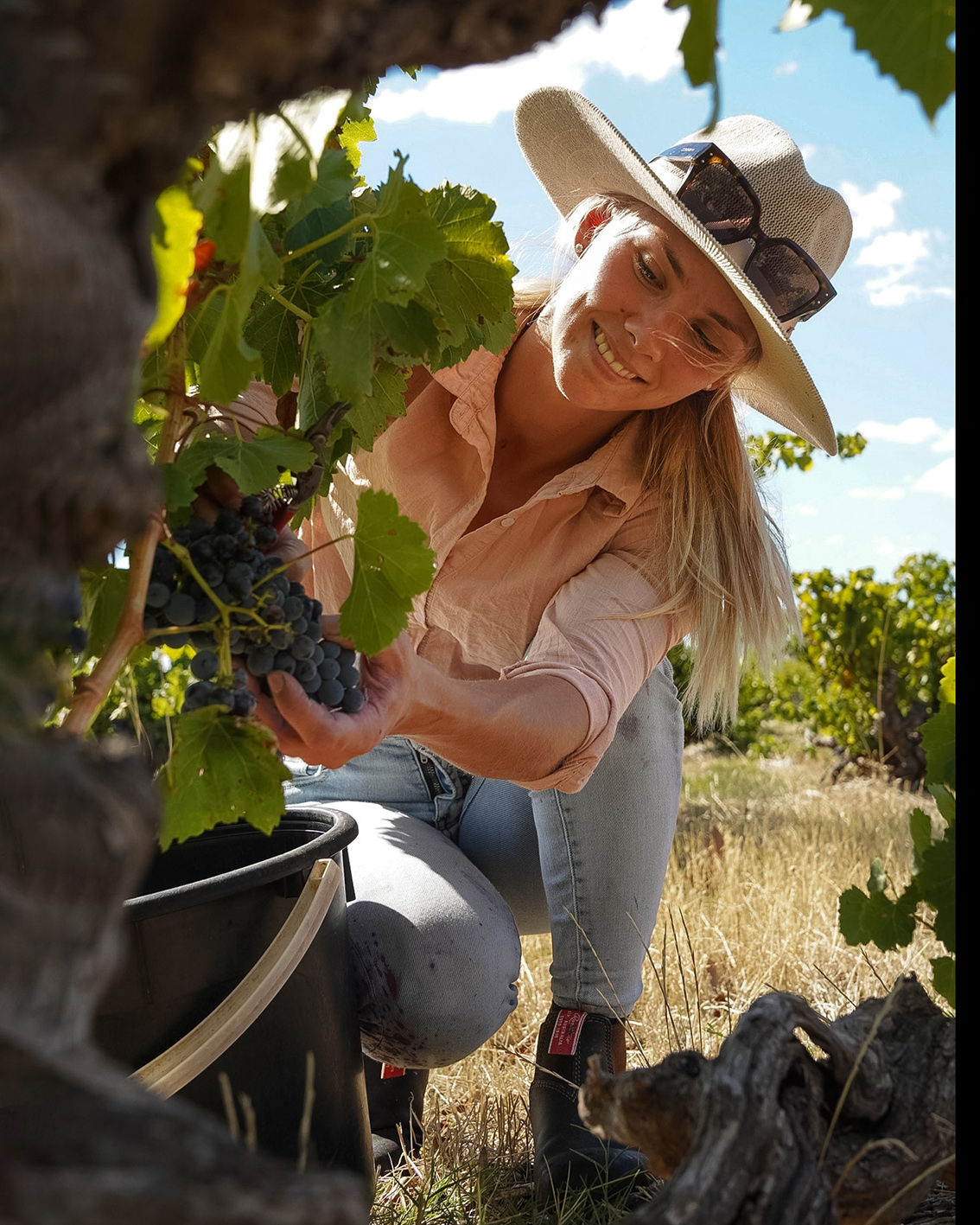
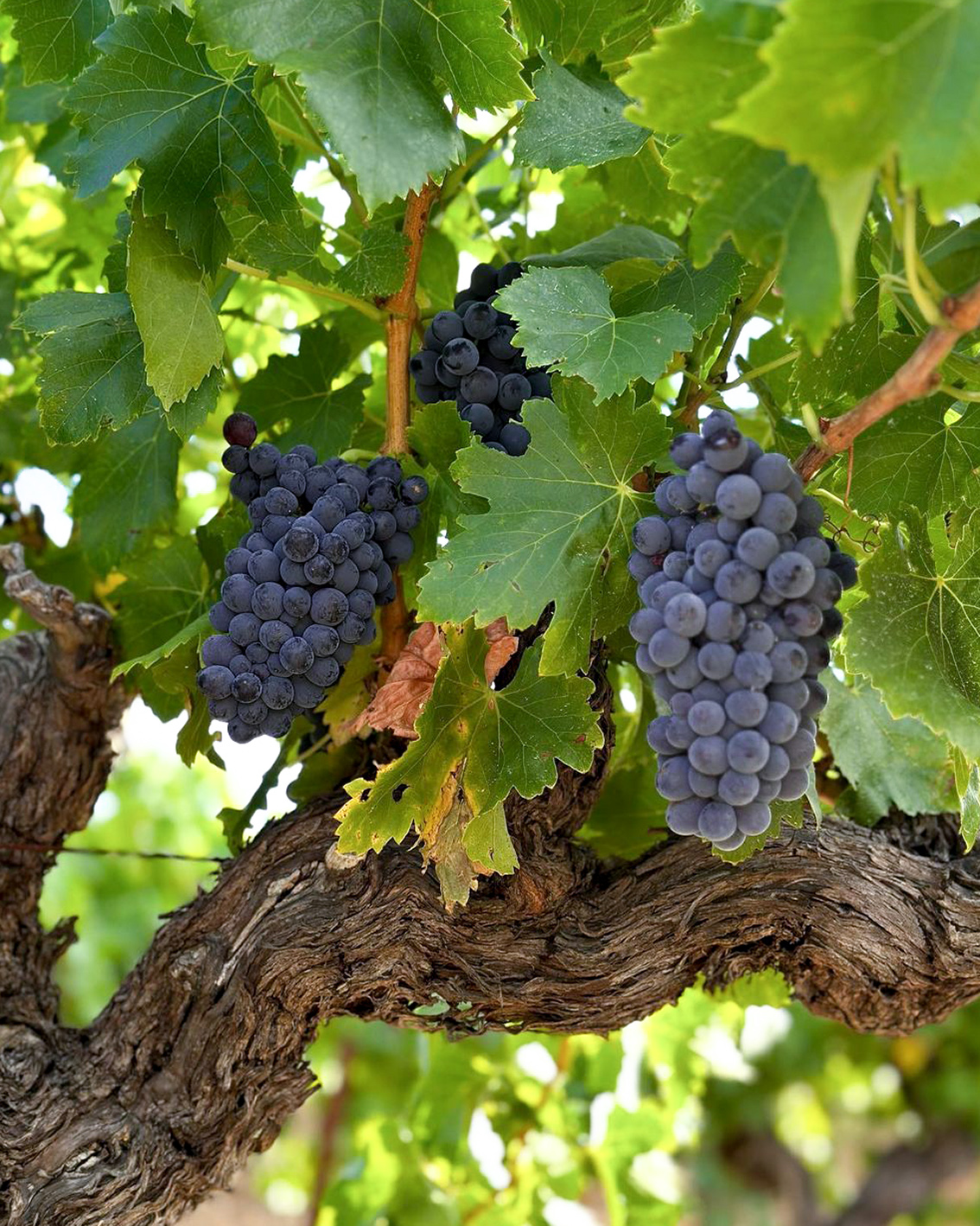
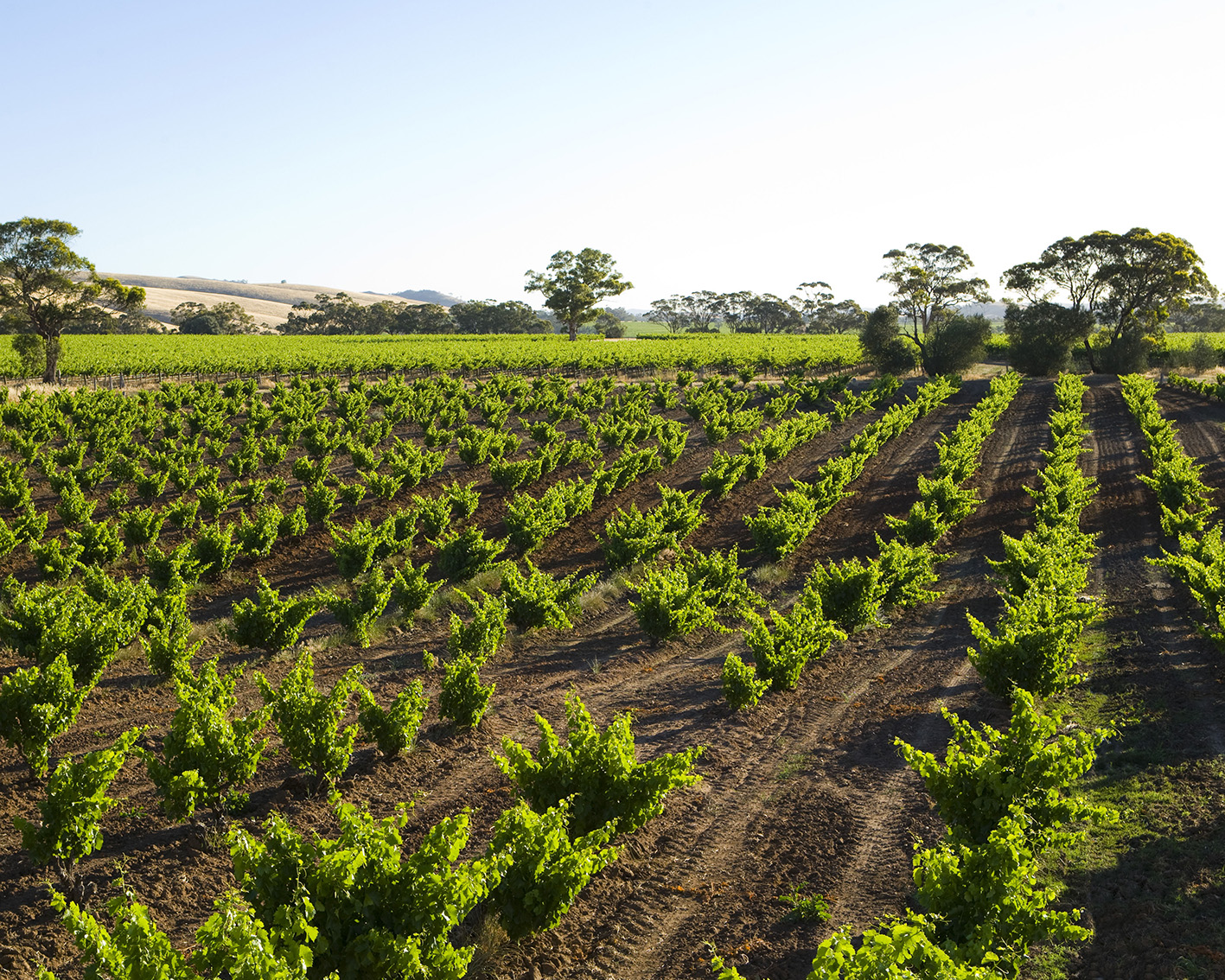
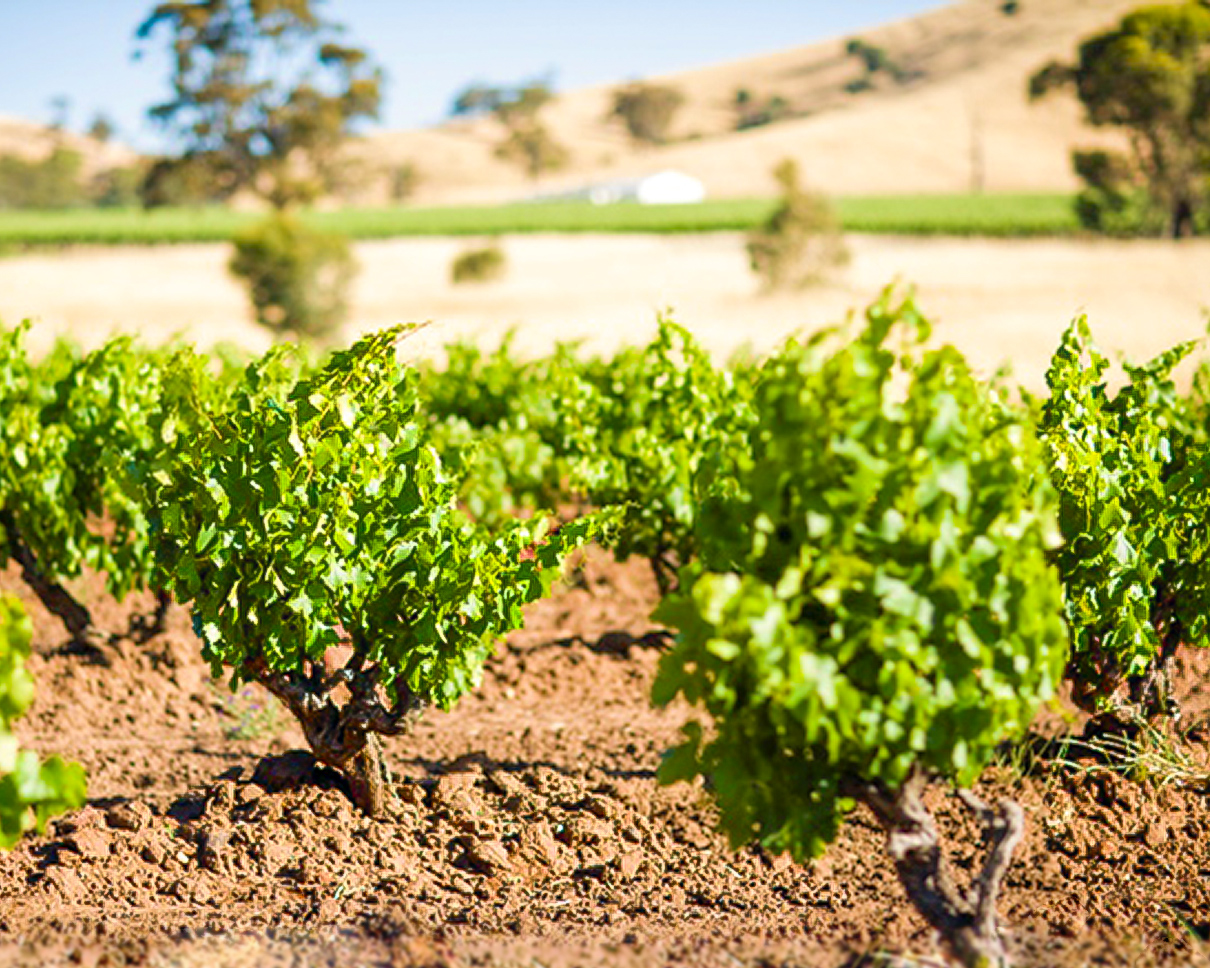
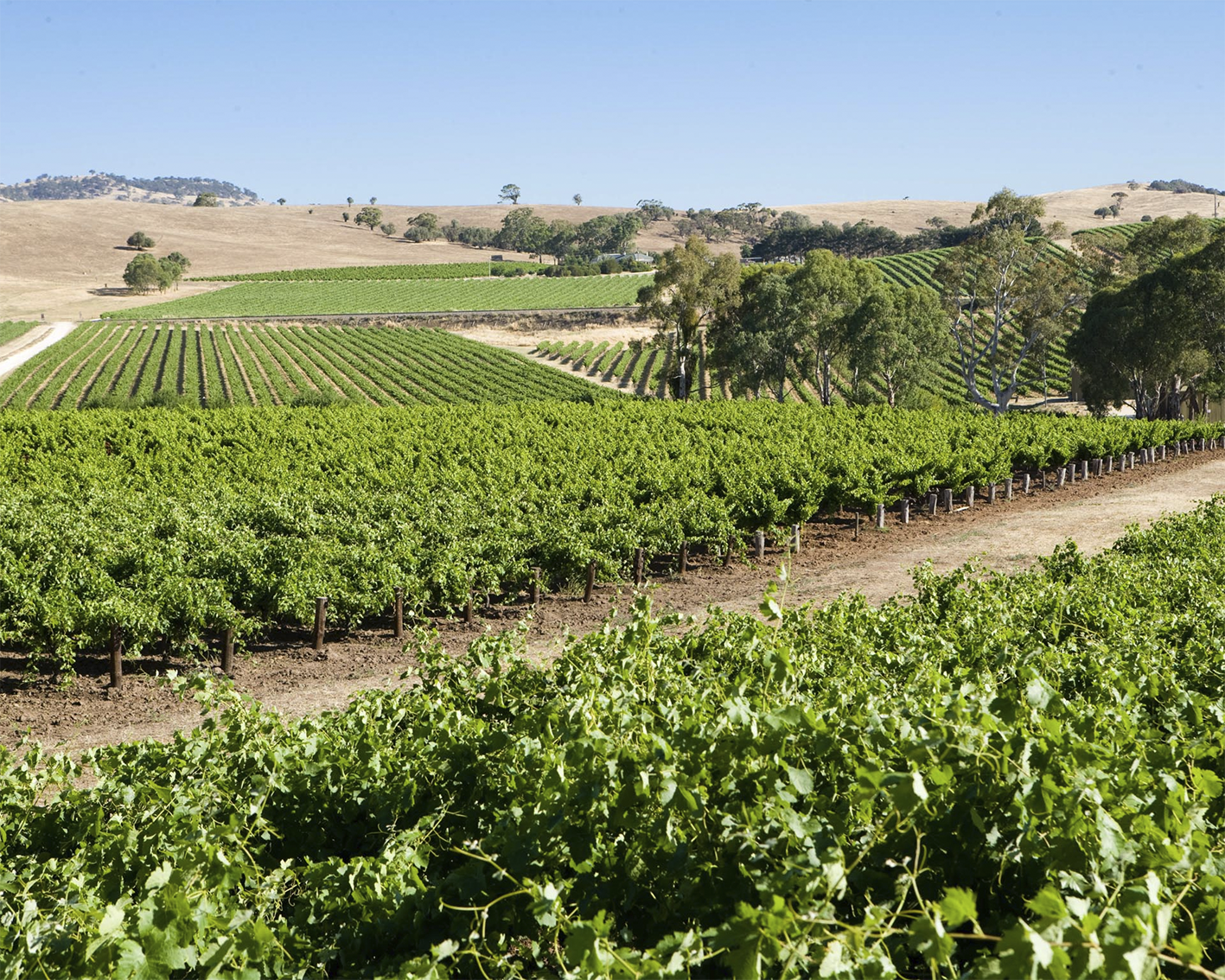
The estate spans multiple vineyard sites across the Barossa and surrounding regions, each contributing distinct structural and aromatic elements. Barossa Valley sites are defined by warm conditions and clay-rich soils, producing depth, ripeness and tannin weight. Higher-altitude vineyards in High Eden and Clare Valley introduce freshness, aromatic lift and structural refinement. Dry-grown bush vines across these sites produce low yields, enhancing concentration and site expression while maintaining natural balance.
Heritage:
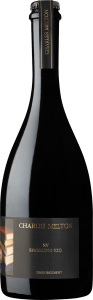
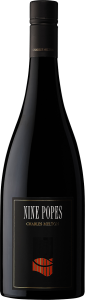
Charles Melton was established in 1984 by Charlie and Virginia Melton in Krondorf, during a period when Barossa vineyards were being widely restructured and old Grenache and Shiraz vines were being removed under government-supported vine-pull schemes. Against this trend, Charlie — drawing on experience gained under key figures such as Peter Lehmann — recognised the potential of these historic plantings and worked to preserve them, helping to underpin a broader regional revival of Rhône varieties. The first release of Nine Popes in 1988 — now widely regarded as the Barossa’s first GSM — marked a defining moment for both the estate and the region. Early milestones included the opening of a cellar door in 1987 and initial export markets in the early 1990s, with the winery steadily building a strong international reputation. Today, Charles Melton remains family-owned, with a high proportion of estate-grown fruit and a continued focus on old-vine material, while the next generation has taken an active role, with Sophie Melton working alongside Charlie to shape the future direction of the winery and maintain its standing as one of the Barossa’s benchmark producers.
Philosophy:
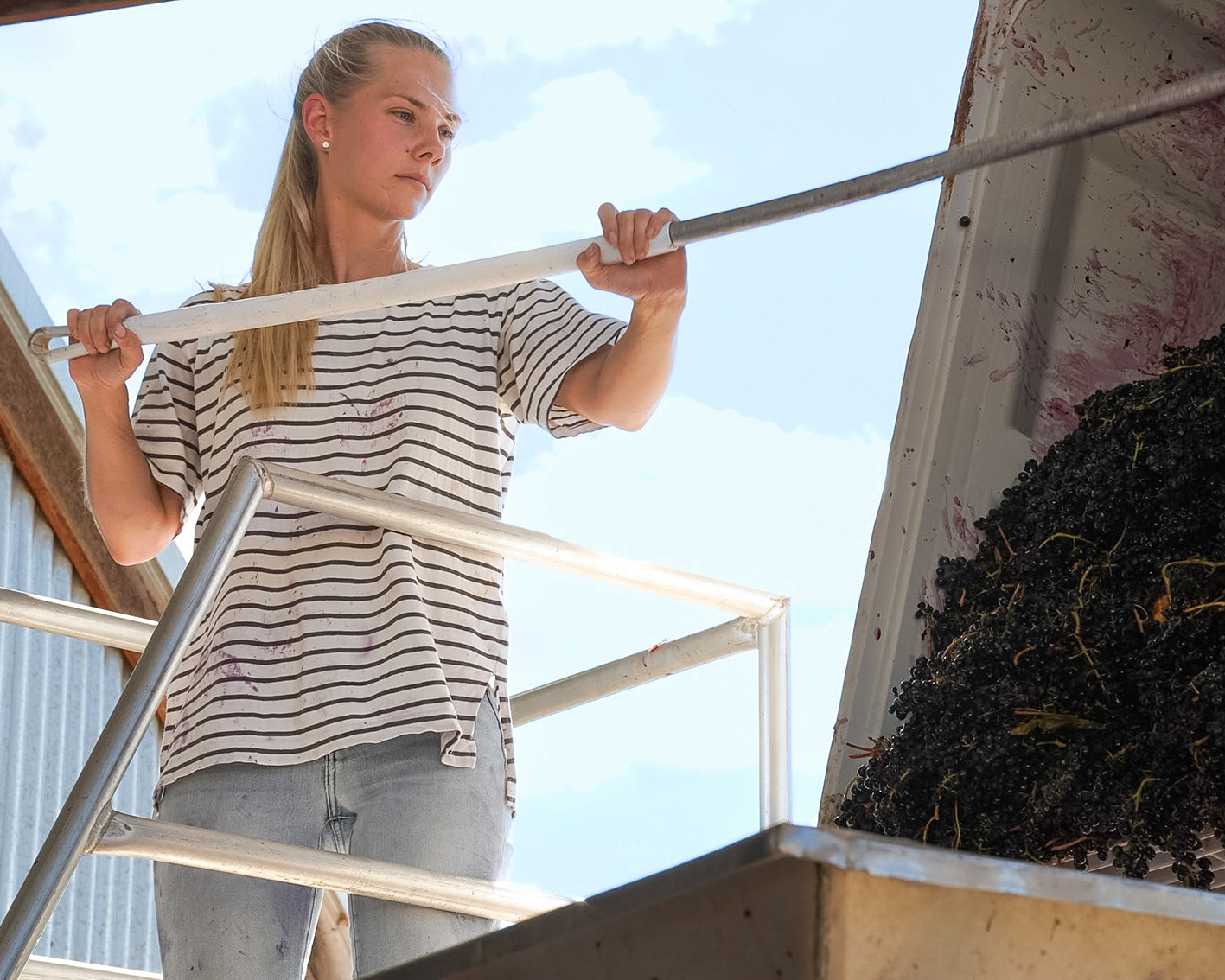
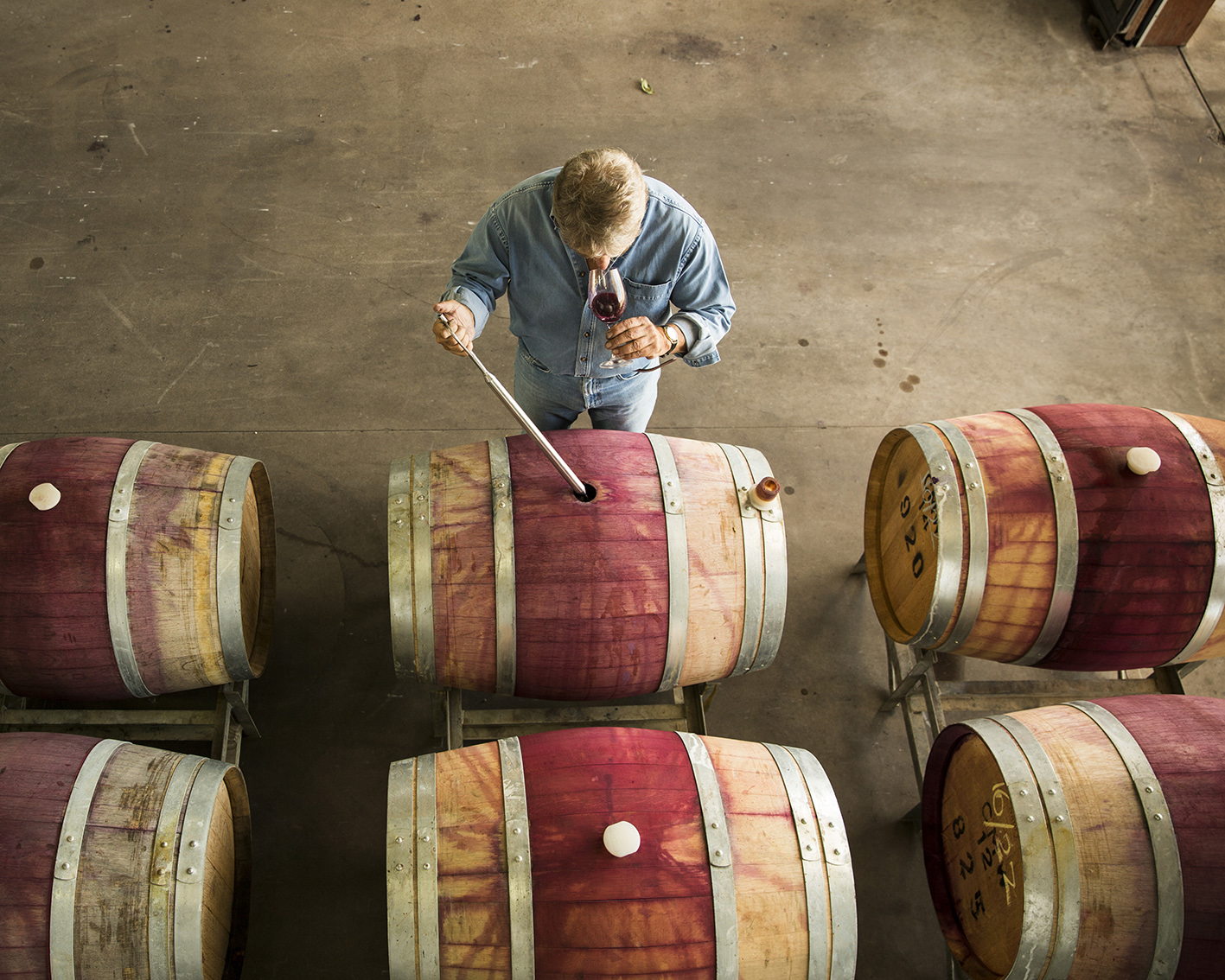
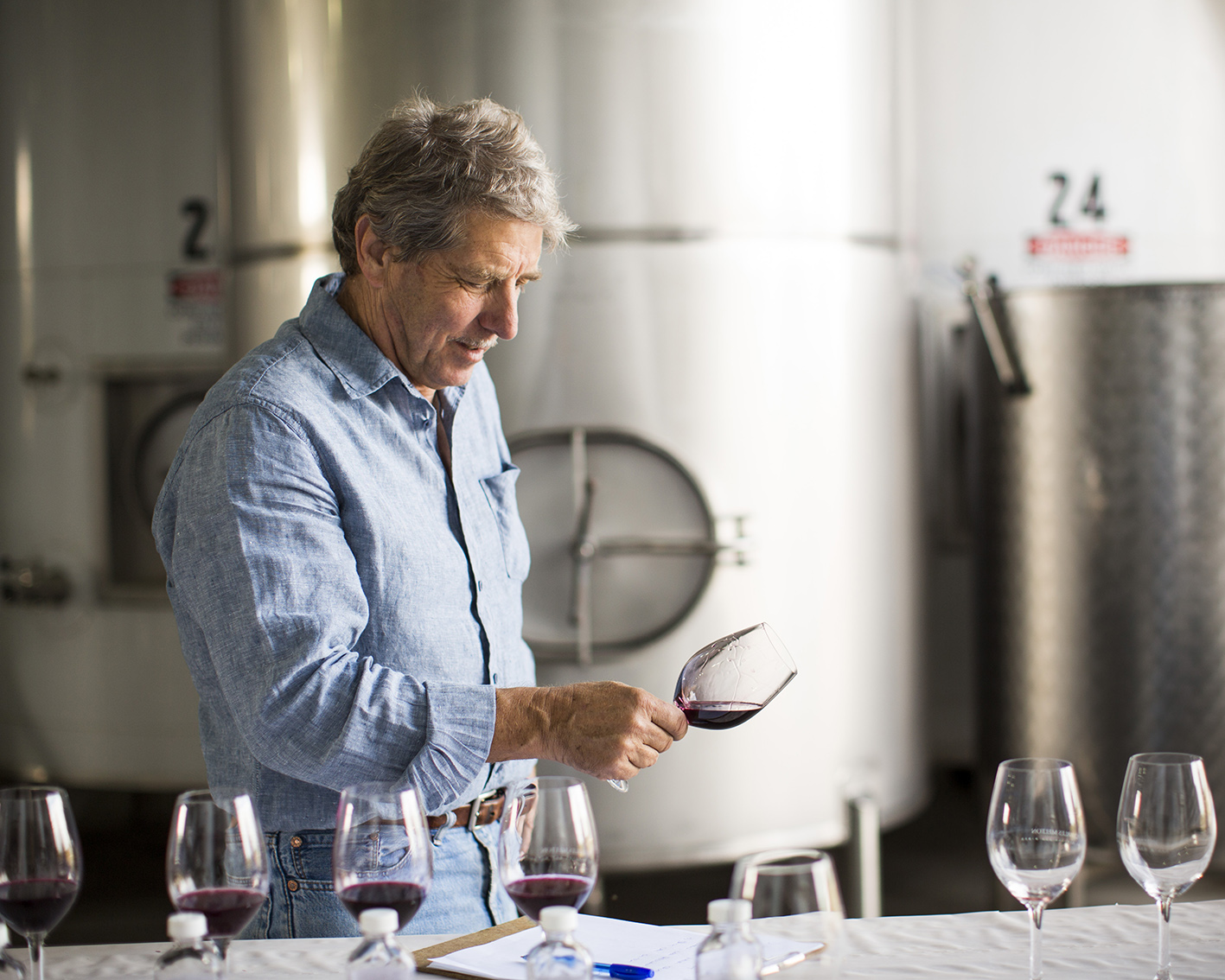
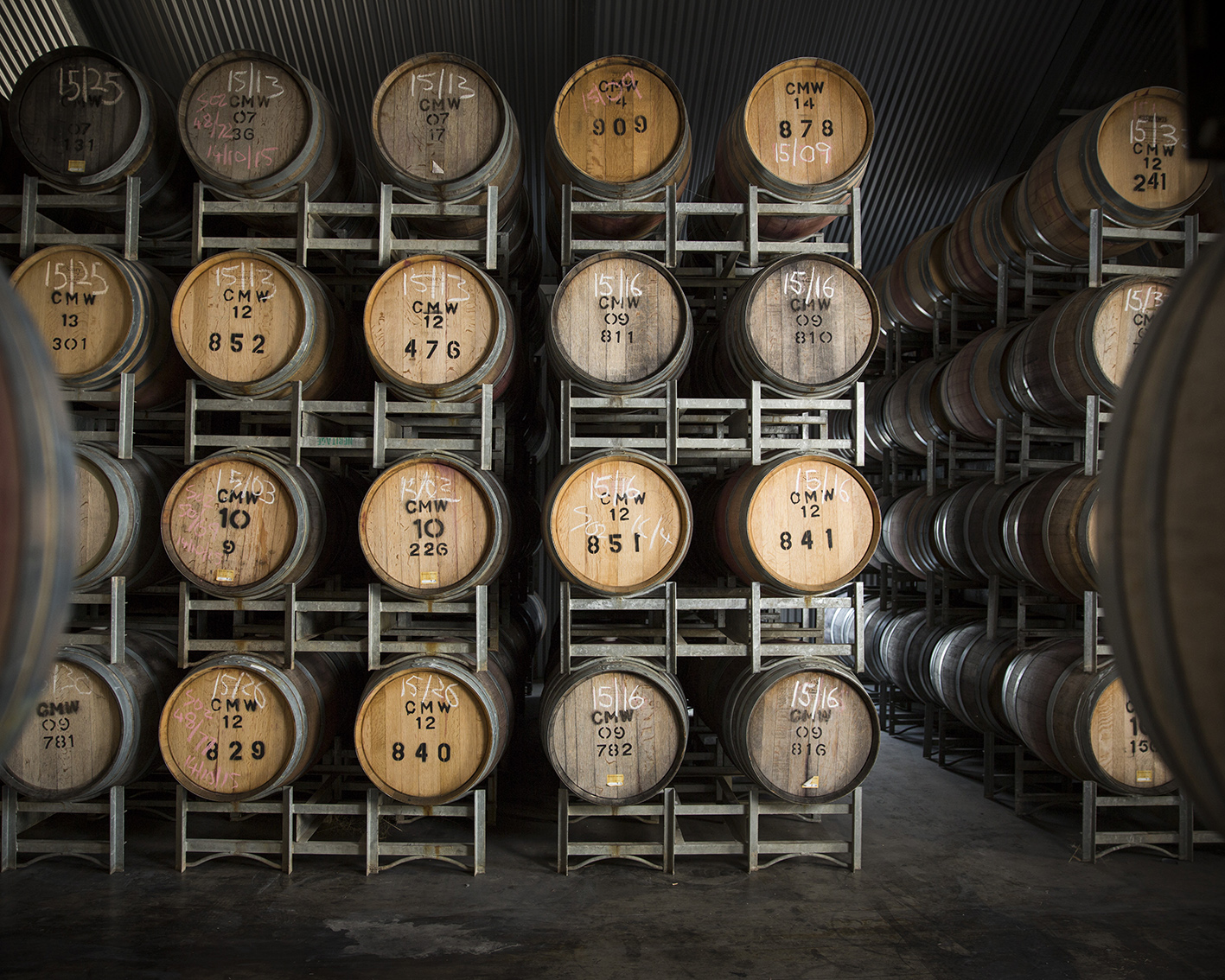
Viticulture is centred on estate-grown, dry-farmed vineyards with very low yields, often around one tonne per acre, ensuring intensity and structural depth in the fruit. In the winery, a hands-on approach draws on traditional techniques — whole bunch fermentation, open fermenters, pigeage and indigenous yeasts — to build layered complexity and textural definition. Oak is applied with precision rather than weight, typically a combination of French and American, selected for tighter grain and steam-bent staves to achieve a more integrated oxygen exchange and finer tannin profile. This approach supports structure, savoury detail and longevity without masking varietal character. The aim is to balance Barossa generosity with restraint, preserving freshness and site expression. Vineyard and winery practices are aligned with certified sustainable principles under the Australian Sustainable Winegrowing program, reinforcing a long-term focus on soil health, resource efficiency and vineyard longevity.
People:
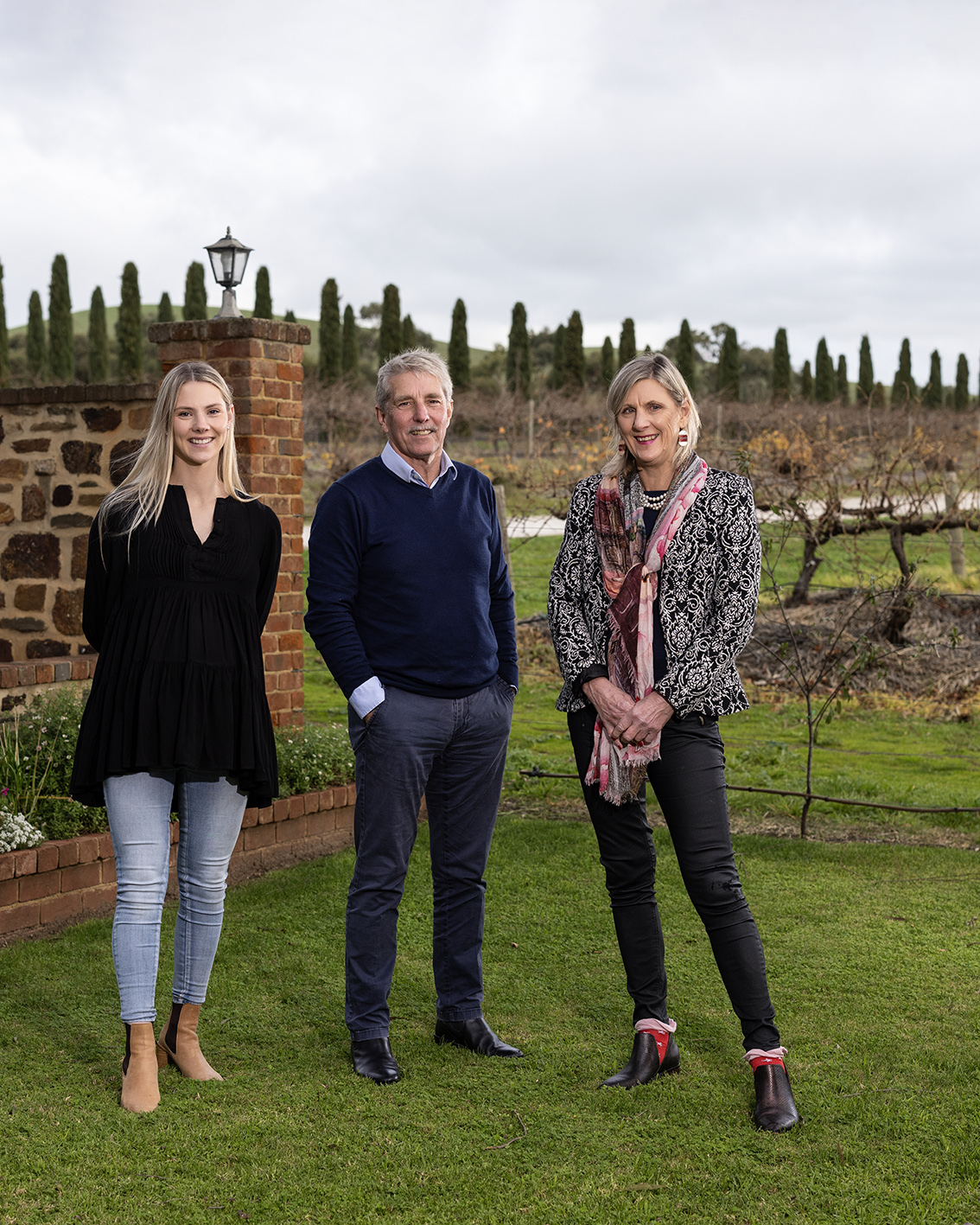
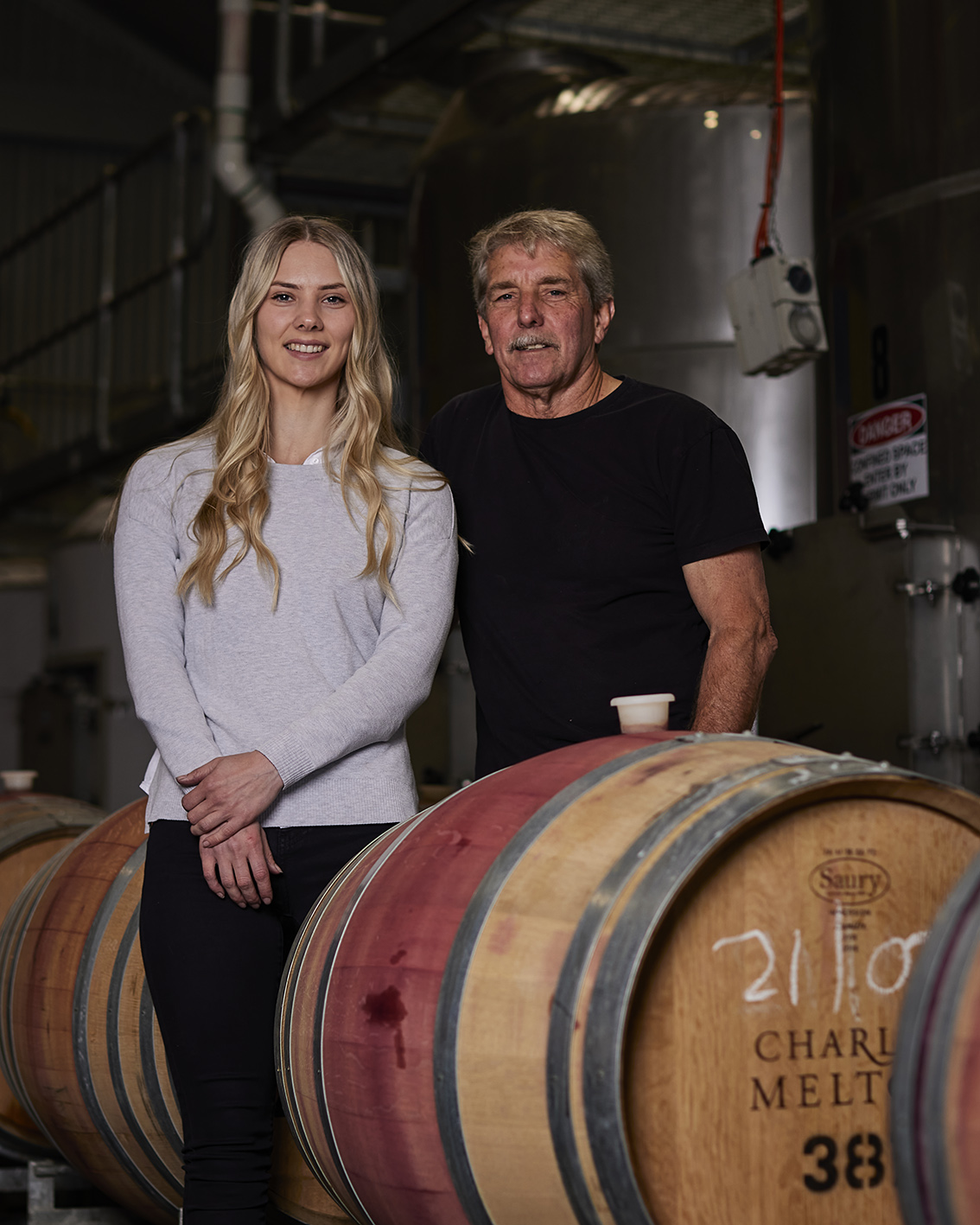
The winery remains family-owned and operated by Charlie and Virginia Melton, with Charlie continuing as winemaker after more than four decades. The next generation is represented by Sophie Melton, a qualified winemaker with extensive regional experience, contributing across production and brand direction. Vineyard operations are overseen by viticulturist Jack Smith, whose technical background and practical experience support the management of the estate’s 85 acres of vines. Together, the team combines continuity, technical expertise and a strong regional focus.
Beyond the Vine:
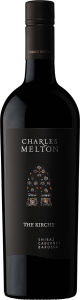
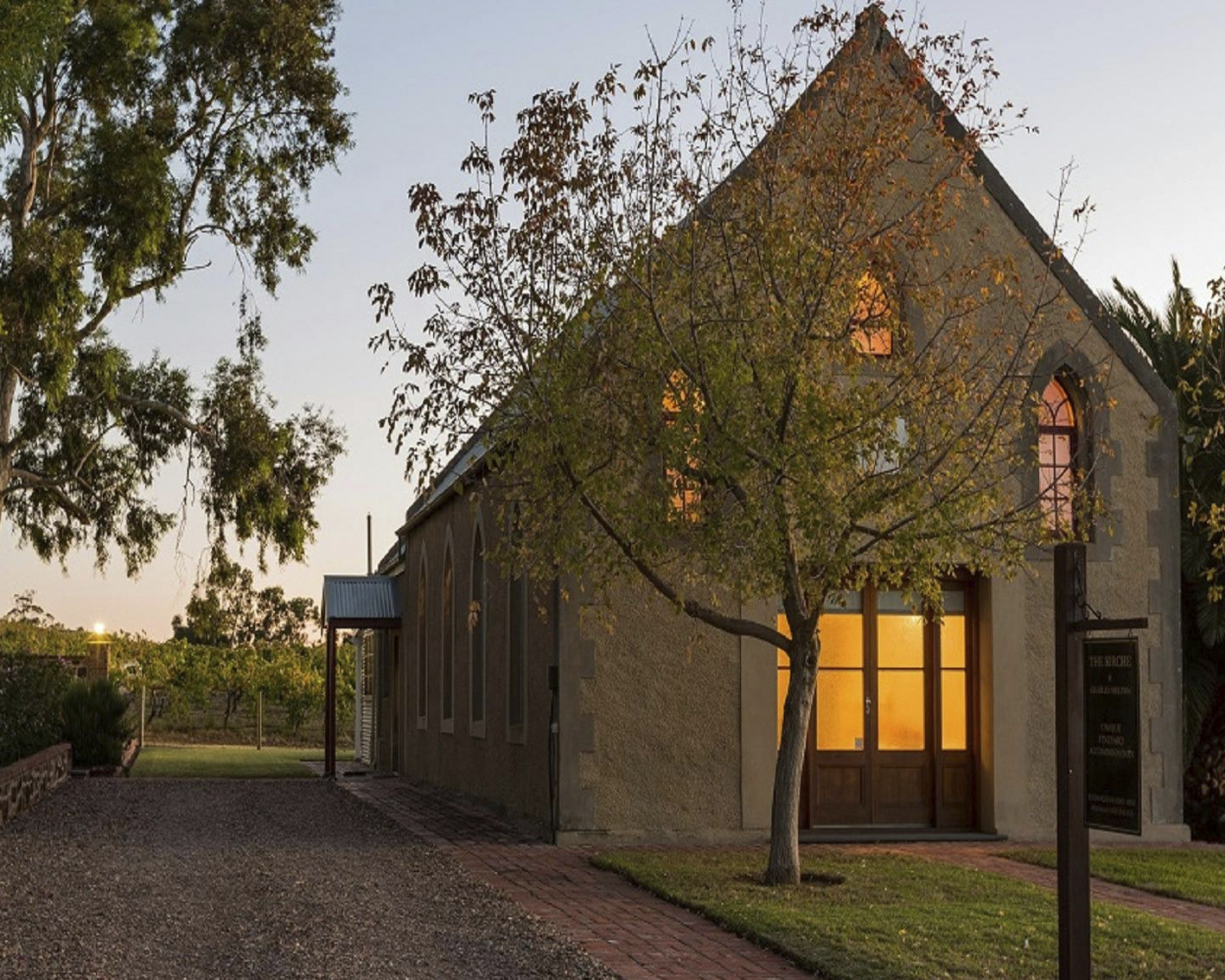
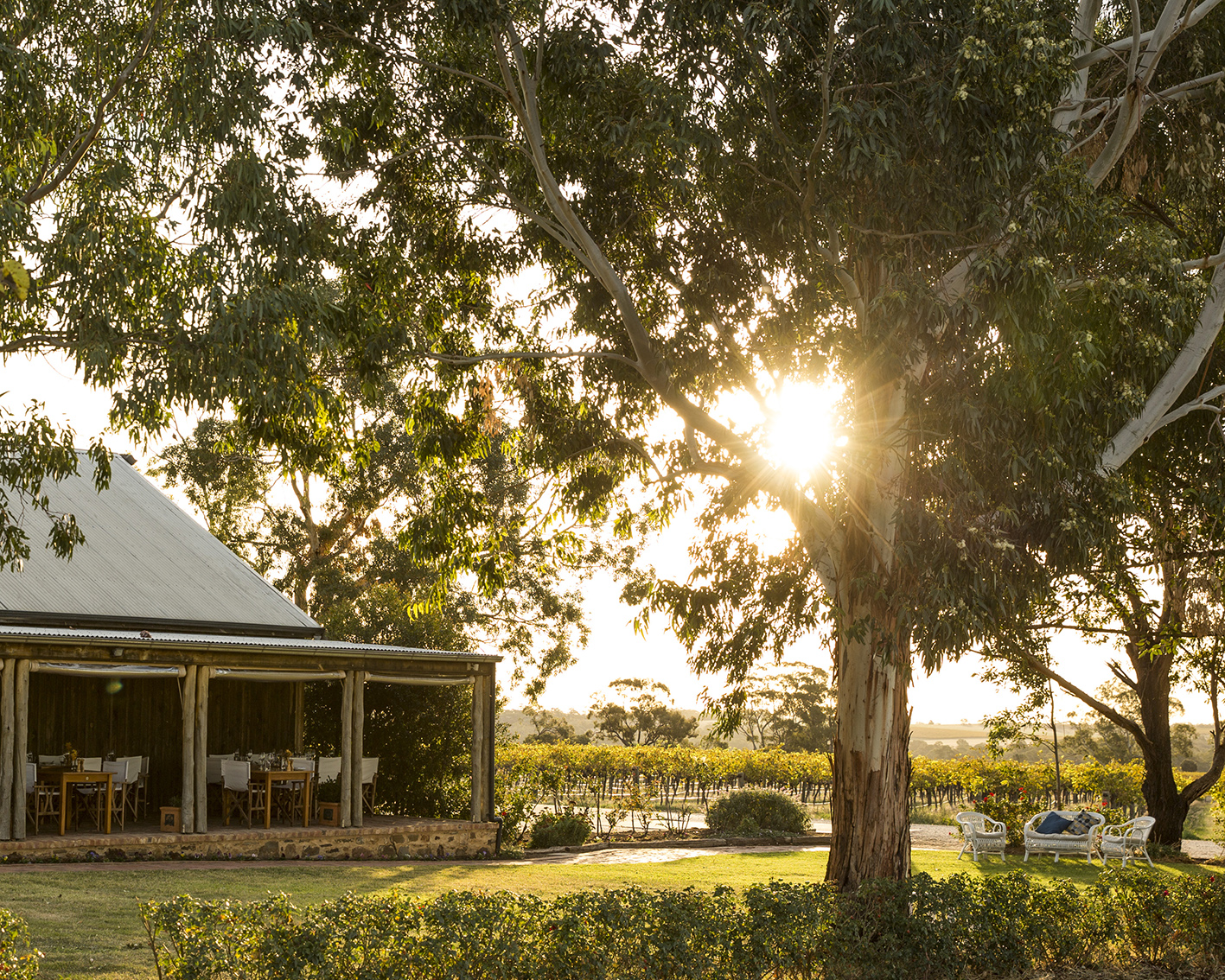
At the heart of the estate sits the historic Zum Kripplen Christi Lutheran church — known as “The Kirche” — around which some of the estate’s key vineyard parcels are planted, and which also lends its name to one of the winery’s flagship wines. The church itself has been sensitively incorporated into the property and is occasionally used for guest accommodation, offering a rare connection between site and experience. The winery is also home to one of Australia’s most recognisable wine stories: Nine Popes, whose name originated as a playful mistranslation of Châteauneuf-du-Pape in the late 1980s (which correctly would have been a far less memorable ‘the Pope’s new castle’), created to make an unfamiliar Grenache-Shiraz-Mataro blend more accessible to drinkers at the time.