Terroir Summary
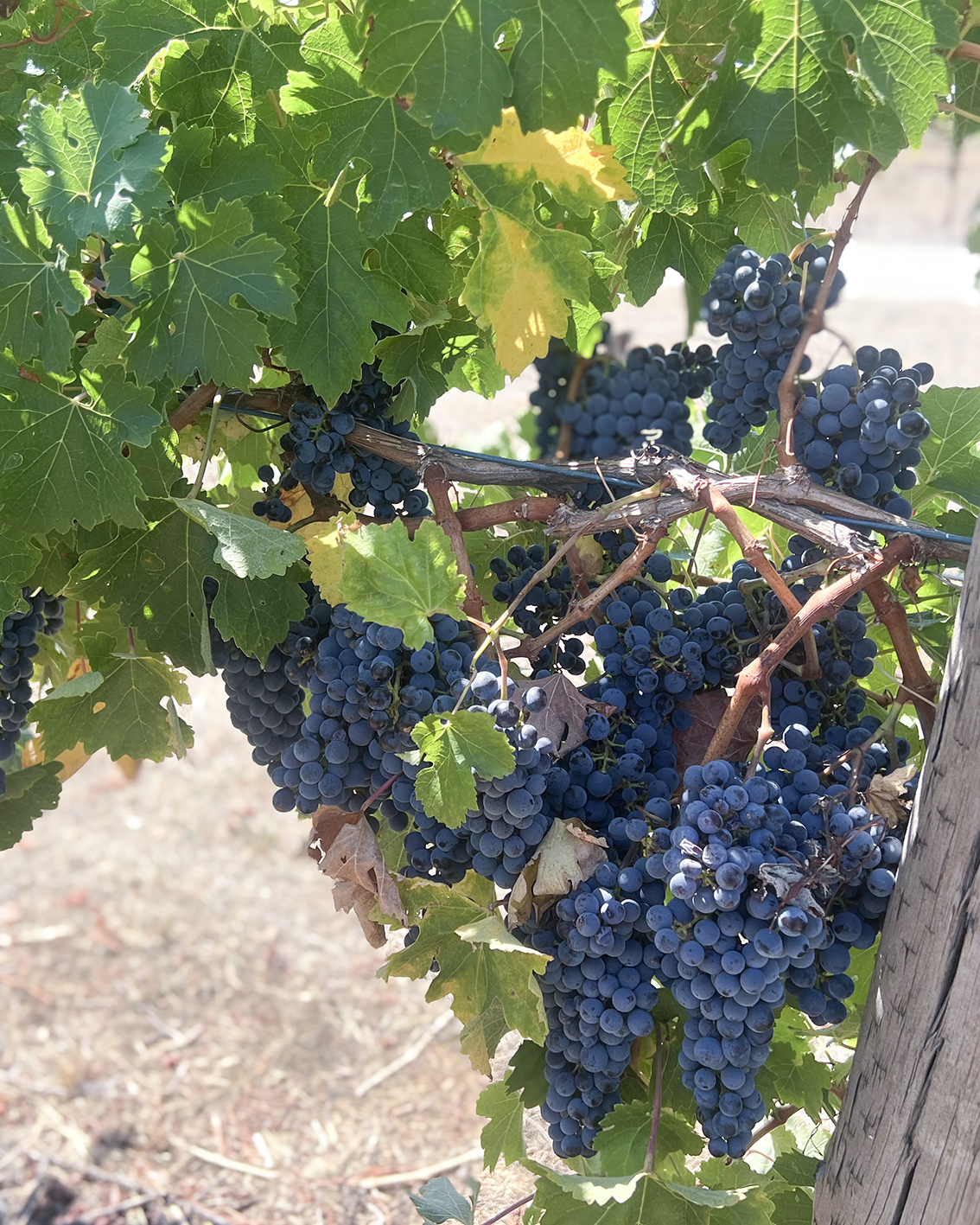
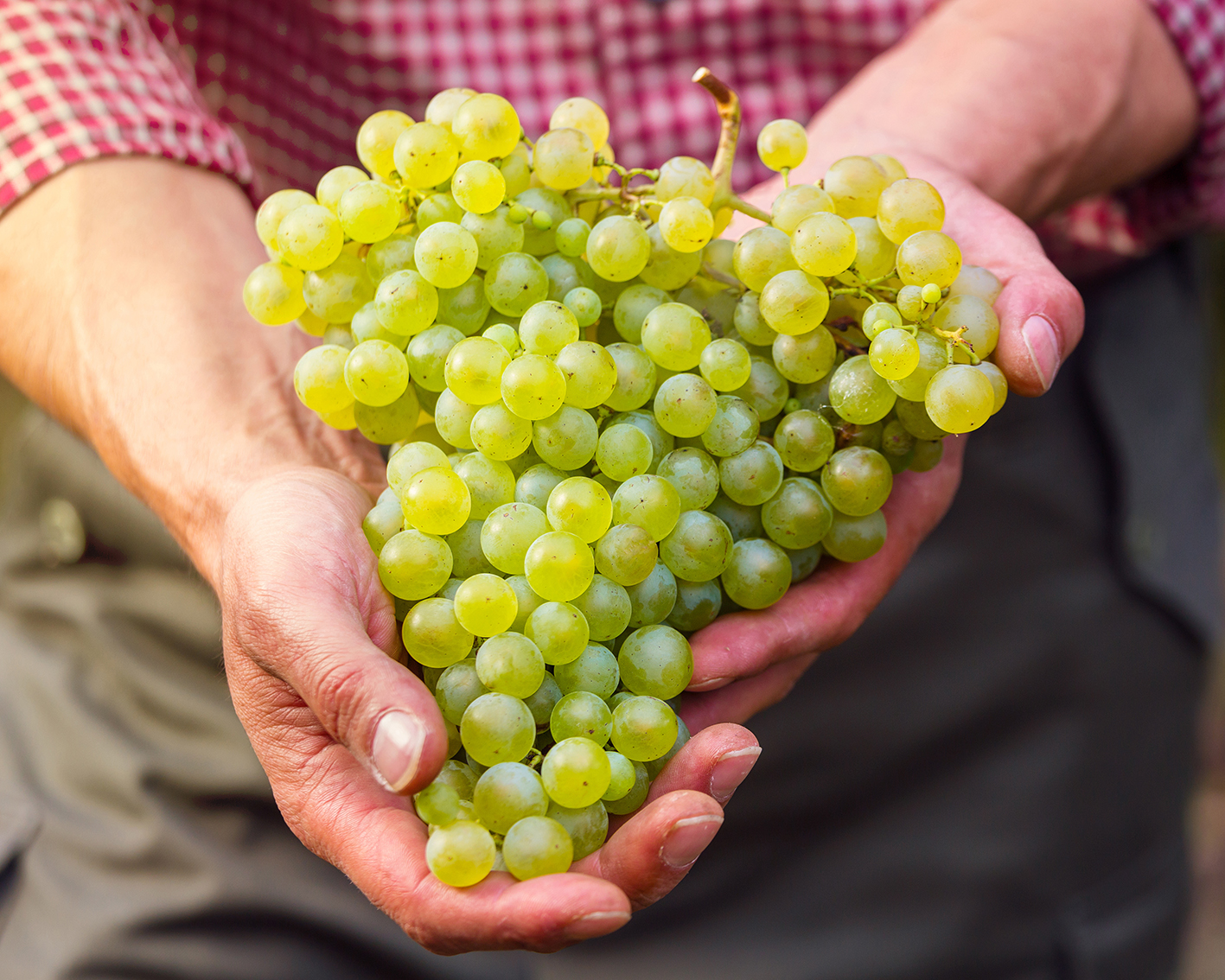
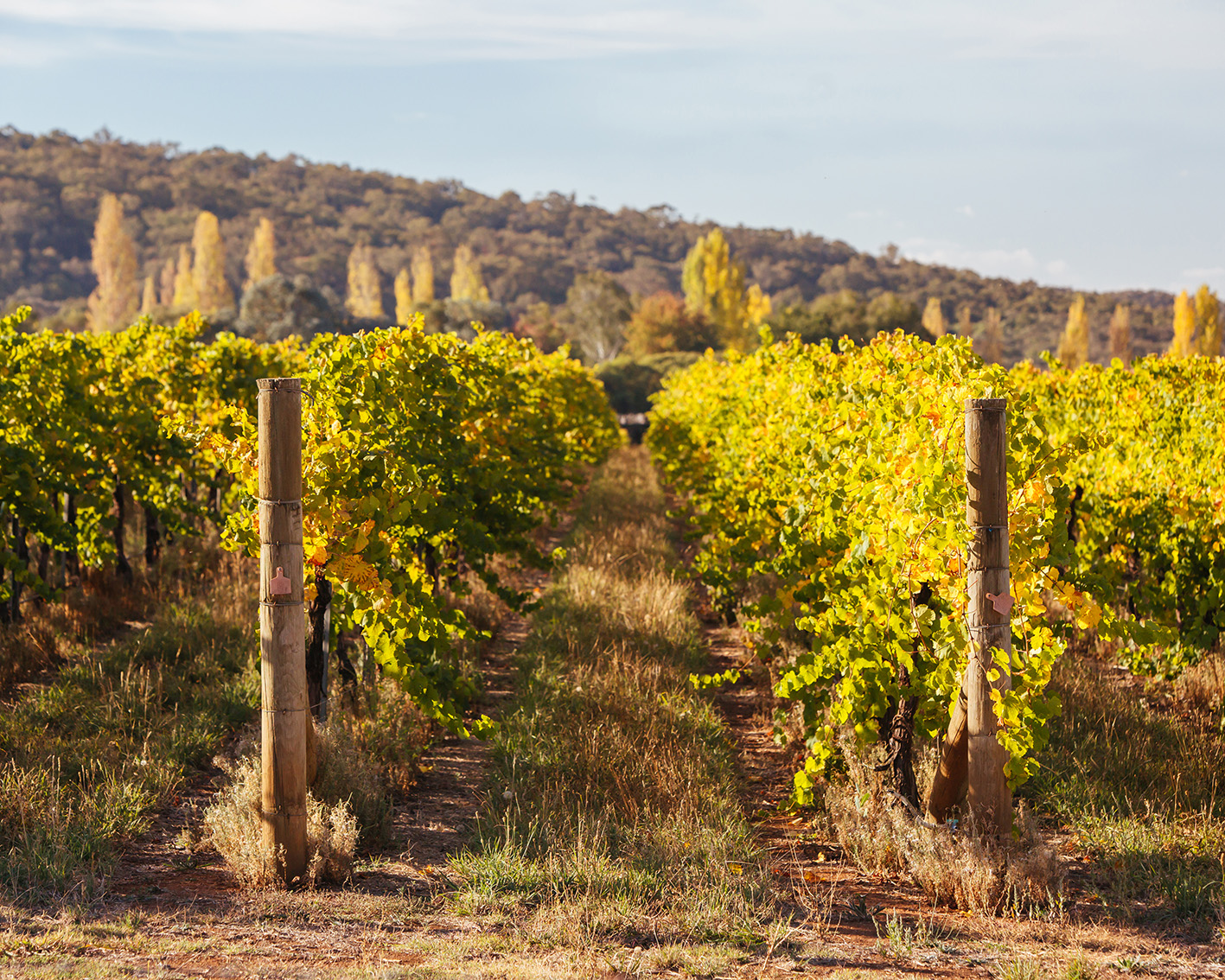
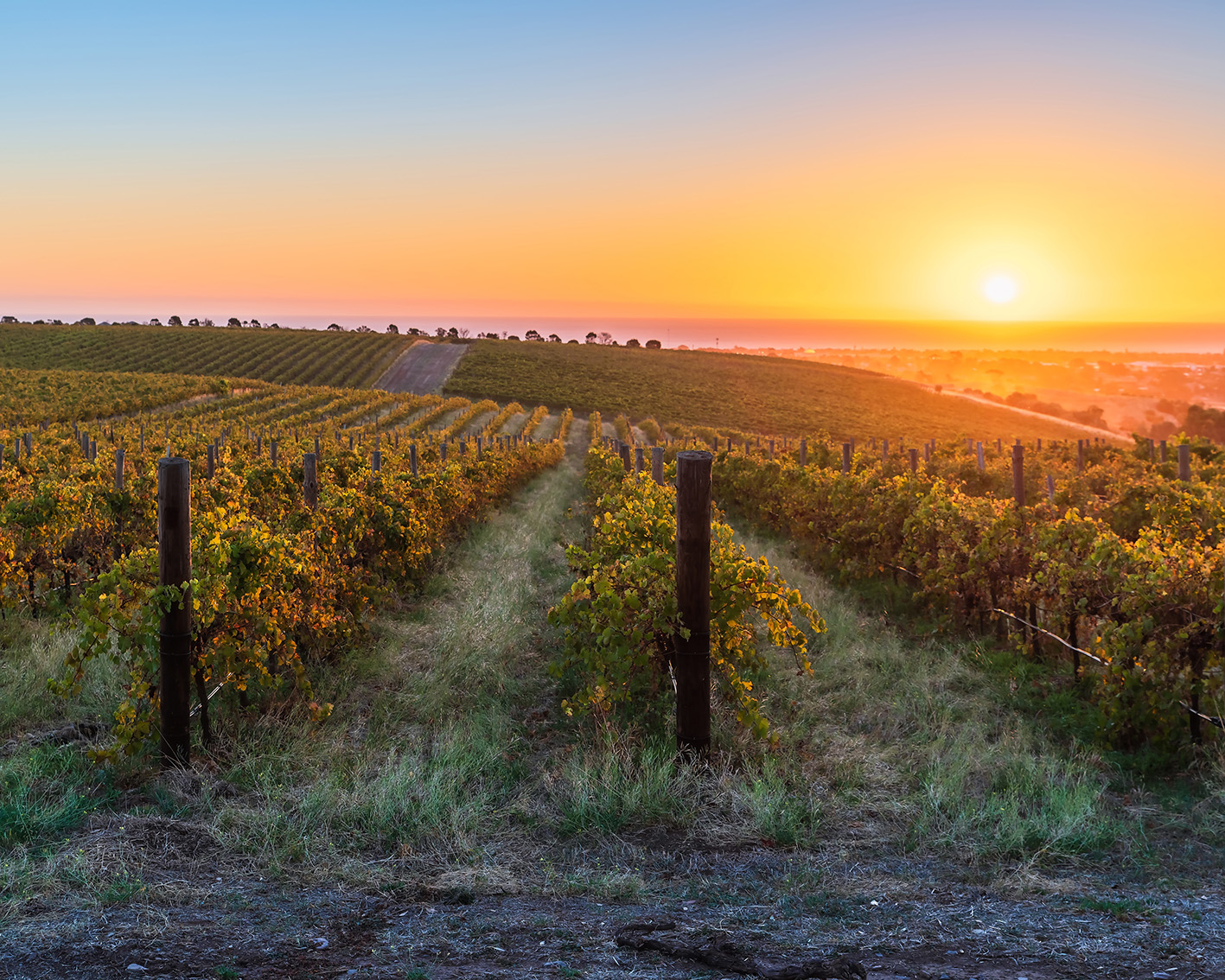
At the heart of the multi-regional range lies the company’s Coonawarra estate, where Cabernet Sauvignon thrives on the region’s famous limestone-based terra rossa soils. Beyond the owned Coonawarra estate, the range draws on fruit from the spiritual home of each grape variety, for example with Shiraz from McLaren Vale’s warm Mediterranean conditions and the Prosecco and white wines from Victoria’s cooler climate King and Alpine Valleys. Additional fruit is sourced from selected vineyards throughout South Australia and Victoria.
Heritage
The story of Taylor Ferguson begins with two of Melbourne’s pioneering wine merchants: Alexander & Paterson, established in 1892, and Taylor Ferguson & Co., founded in 1898. Operating independently for much of the twentieth century, the businesses eventually converged before being united under the Alepat Taylor banner in 1996 by Carlo Travaglini, Fred Liuzzi and Mario Ciampa. Their vision extended beyond wholesale and distribution into grape growing and wine production, creating the vertically integrated business that remains at the heart of the company today. A key milestone came with the acquisition of the company’s Coonawarra vineyard on McGillivray Road, shifting greater focus towards regional wine production under the Taylor Ferguson name. Fruit from this estate, particularly Cabernet Sauvignon and Merlot, became the foundation of the modern range and reinforced the brand’s connection to one of Australia’s most respected wine regions. In 2024, Taylor Ferguson entered a new chapter with a comprehensive relaunch of both the wines and their presentation. The range was refined to focus on regionally authentic, varietal expressions sourced from the company’s estate holdings and long-established grower relationships across Australia. Supported by award-winning packaging and a clear commitment to quality and value, the refreshed range reflects the company’s belief that approachable everyday wines can still express a genuine sense of place
Philosophy
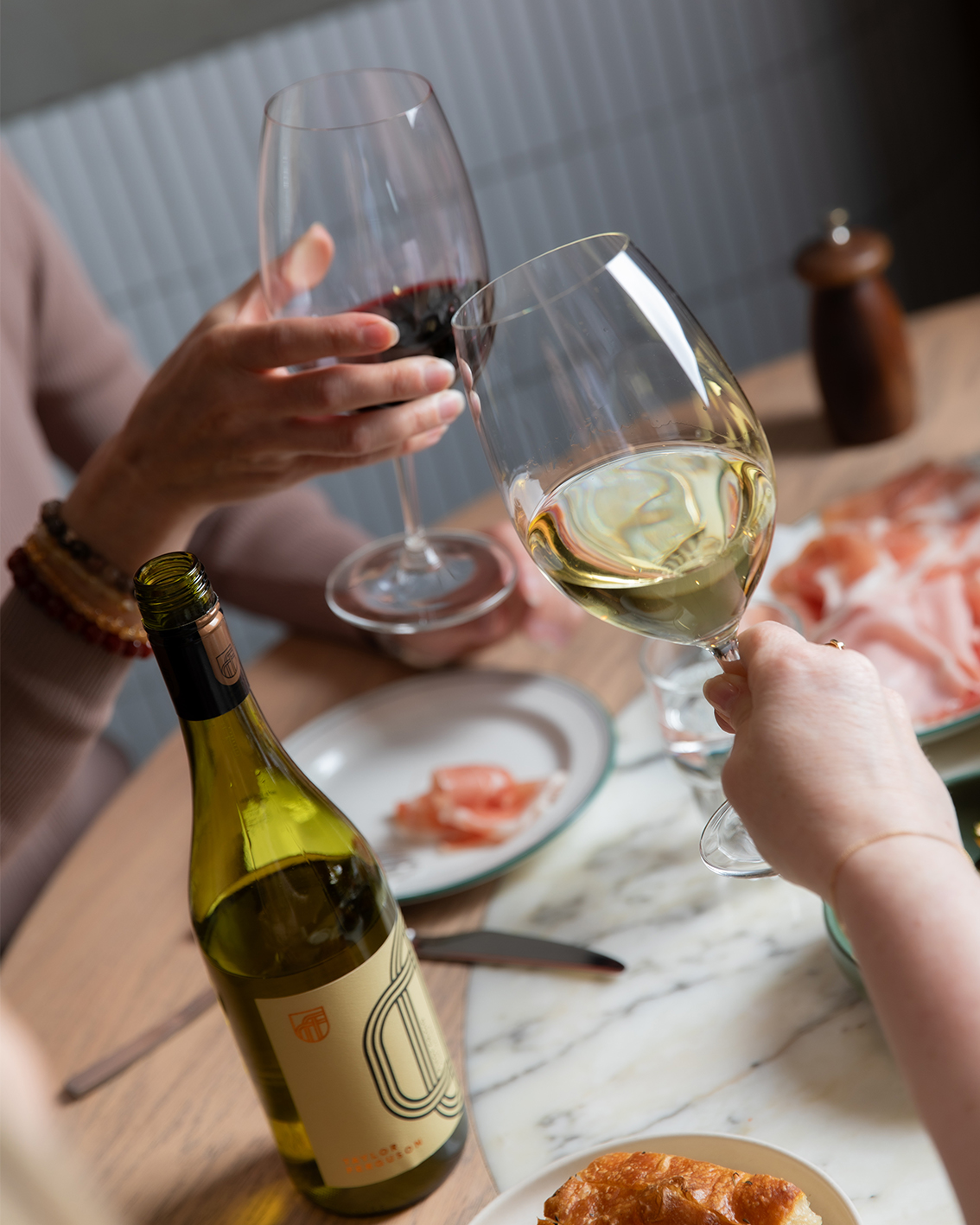
Taylor Ferguson is guided by a straightforward idea: varieties perform best when grown in regions naturally suited to them. Rather than pursuing a single-house style across all wines, the focus is on expressing the strengths of each region and allowing fruit character to lead. Cabernet Sauvignon belongs in Coonawarra, Prosecco and Pinot Grigio thrive in the King Valley, while McLaren Vale provides the richness and generosity sought in Shiraz. In the winery, the objective is not complexity for complexity’s sake, but flavour, balance and drinkability. Every wine is designed to over-deliver at its price point while remaining varietally expressive and true to its origin. This philosophy reflects a belief that quality wine should be accessible, enjoyable and capable of introducing consumers to Australia’s great wine regions.
People
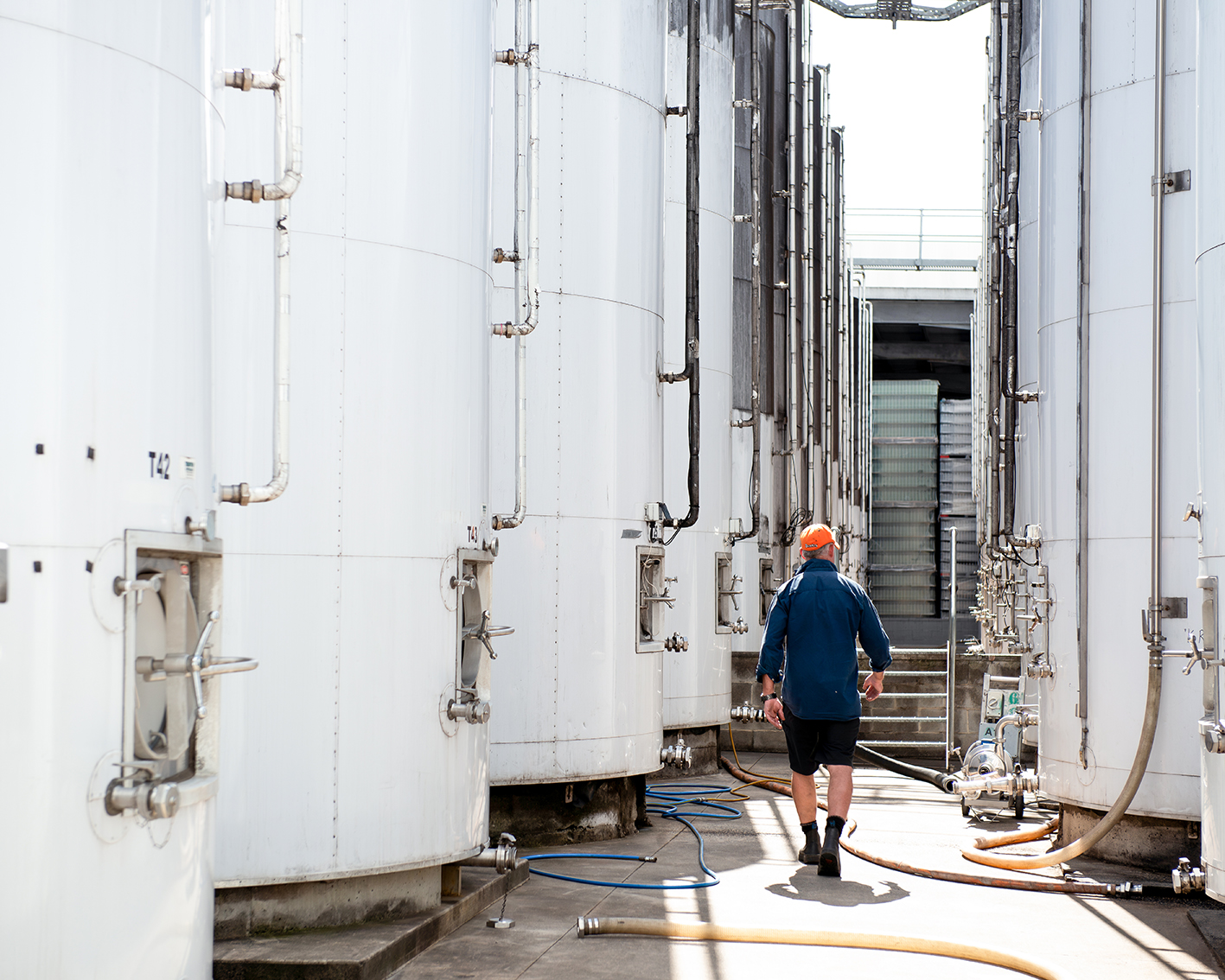
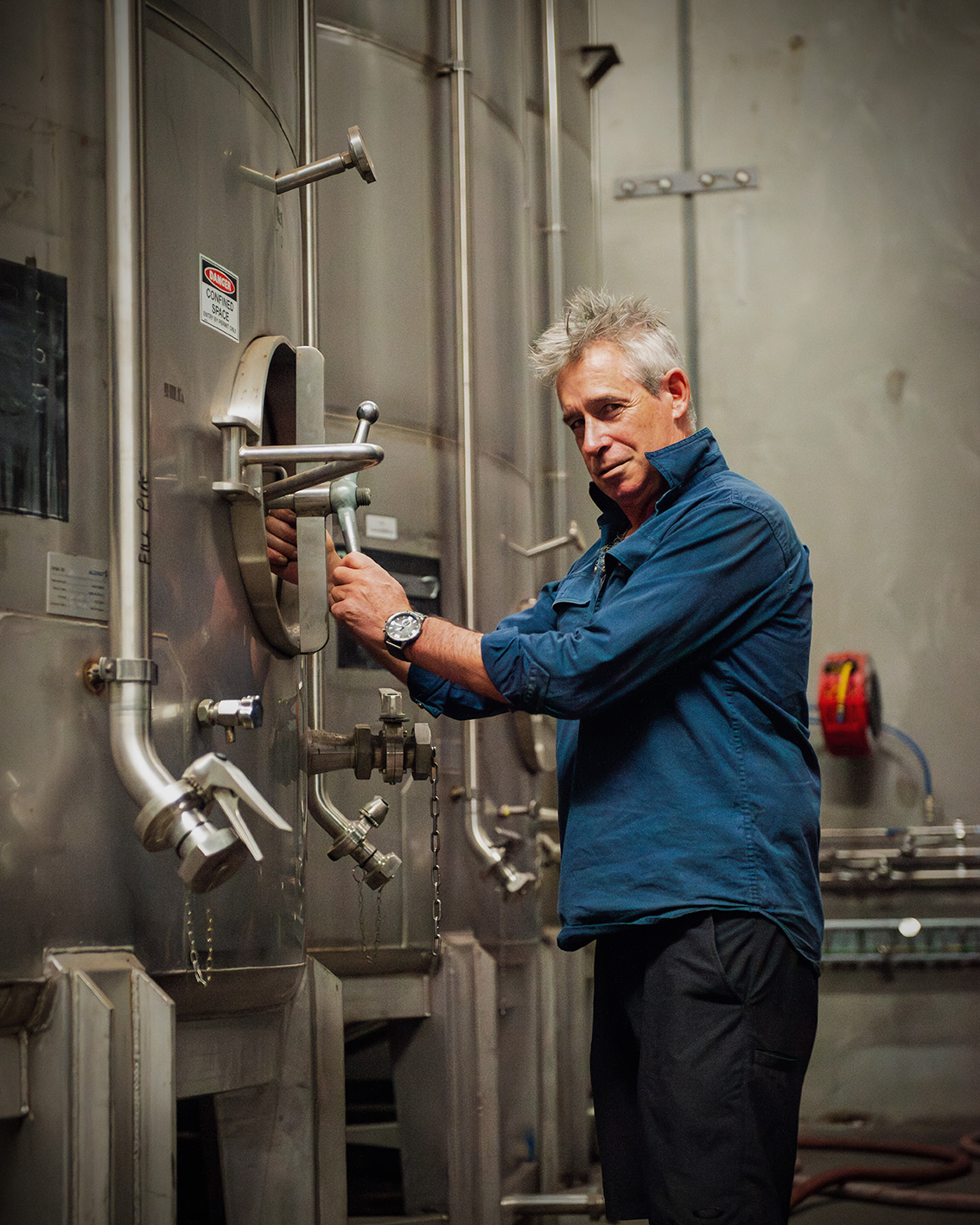
Taylor Ferguson is owned by the family-run Alepat Taylor group, with most key decisions still made with original founder, Carlo Travaglini at the lead. Winemaking is the domain od Willy Lunn, a South Australian-born winemaker whose career has included roles with respected producers such as Petaluma, Shaw + Smith and Yering Station, as well as vintages in Oregon, USA. His experience across multiple regions and wine styles makes him particularly well suited to Taylor Ferguson’s regional sourcing model. Lunn’s philosophy centres on flavour and drinkability, allowing fruit quality and regional character to shine while crafting wines that consumers genuinely enjoy drinking.
Beyond the Vine
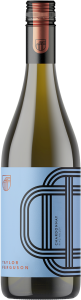
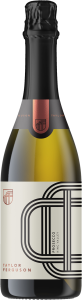
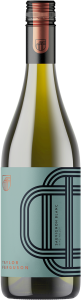
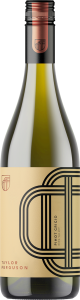
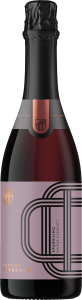
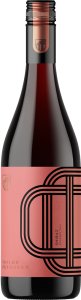
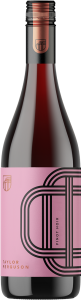
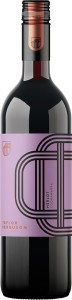
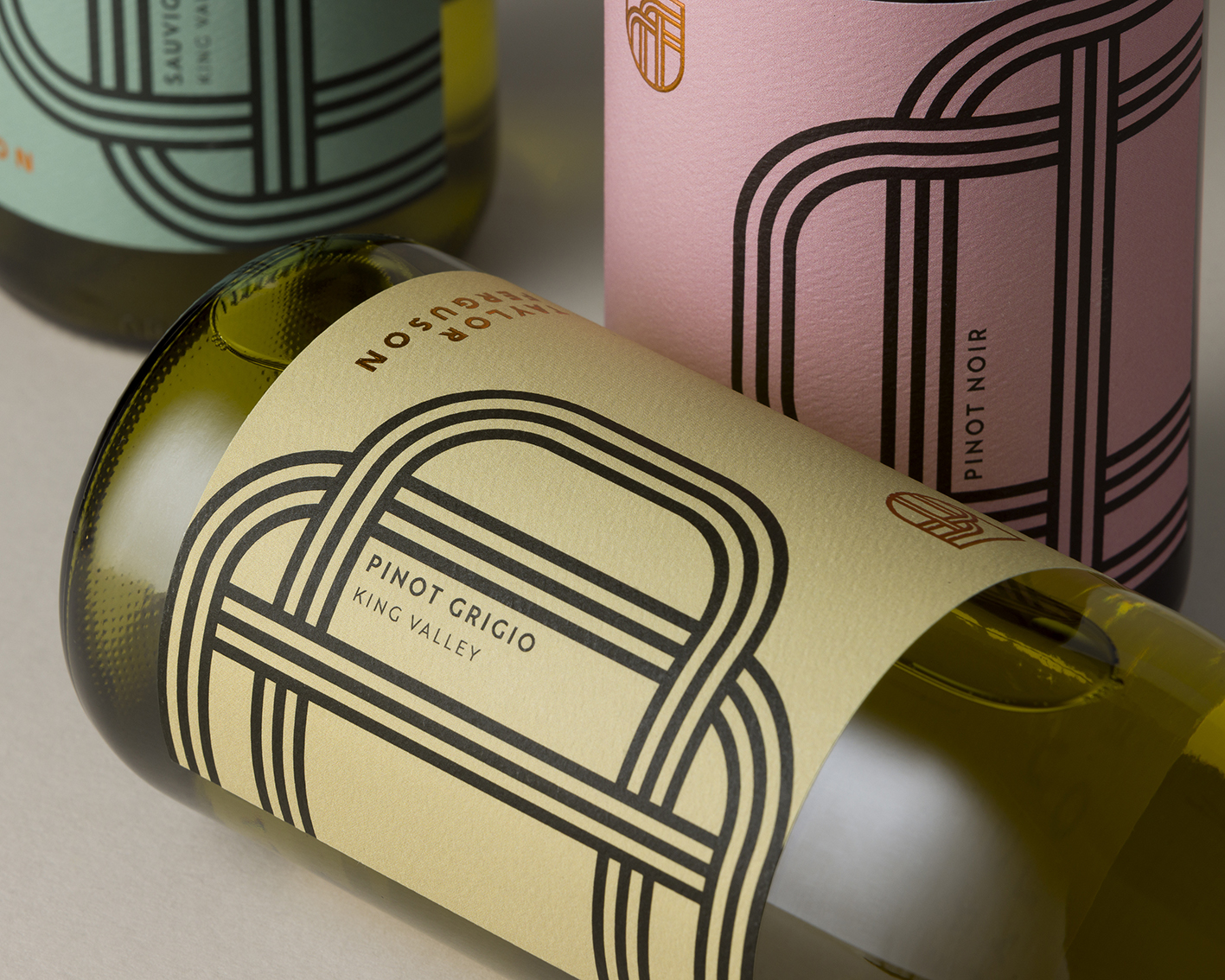
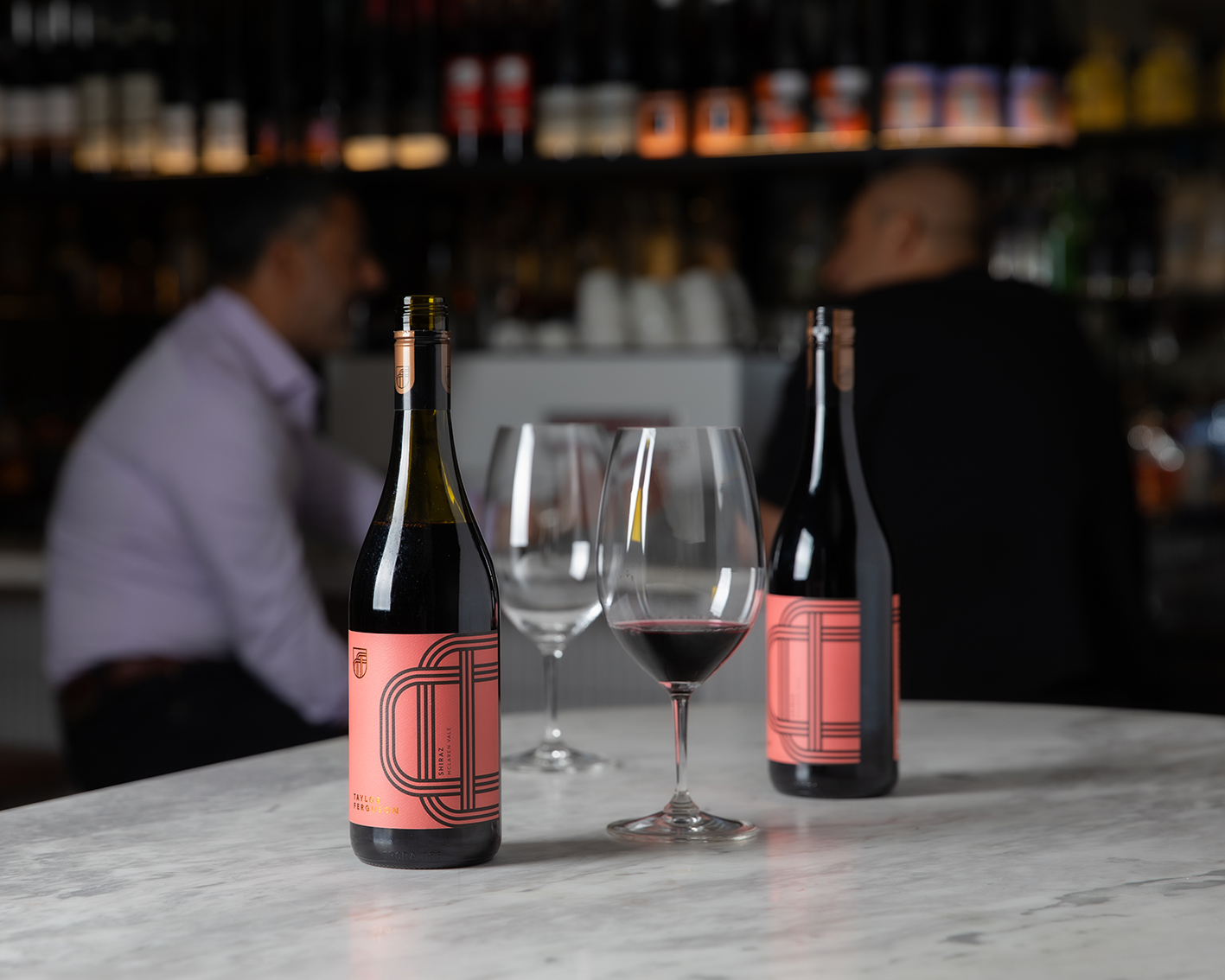
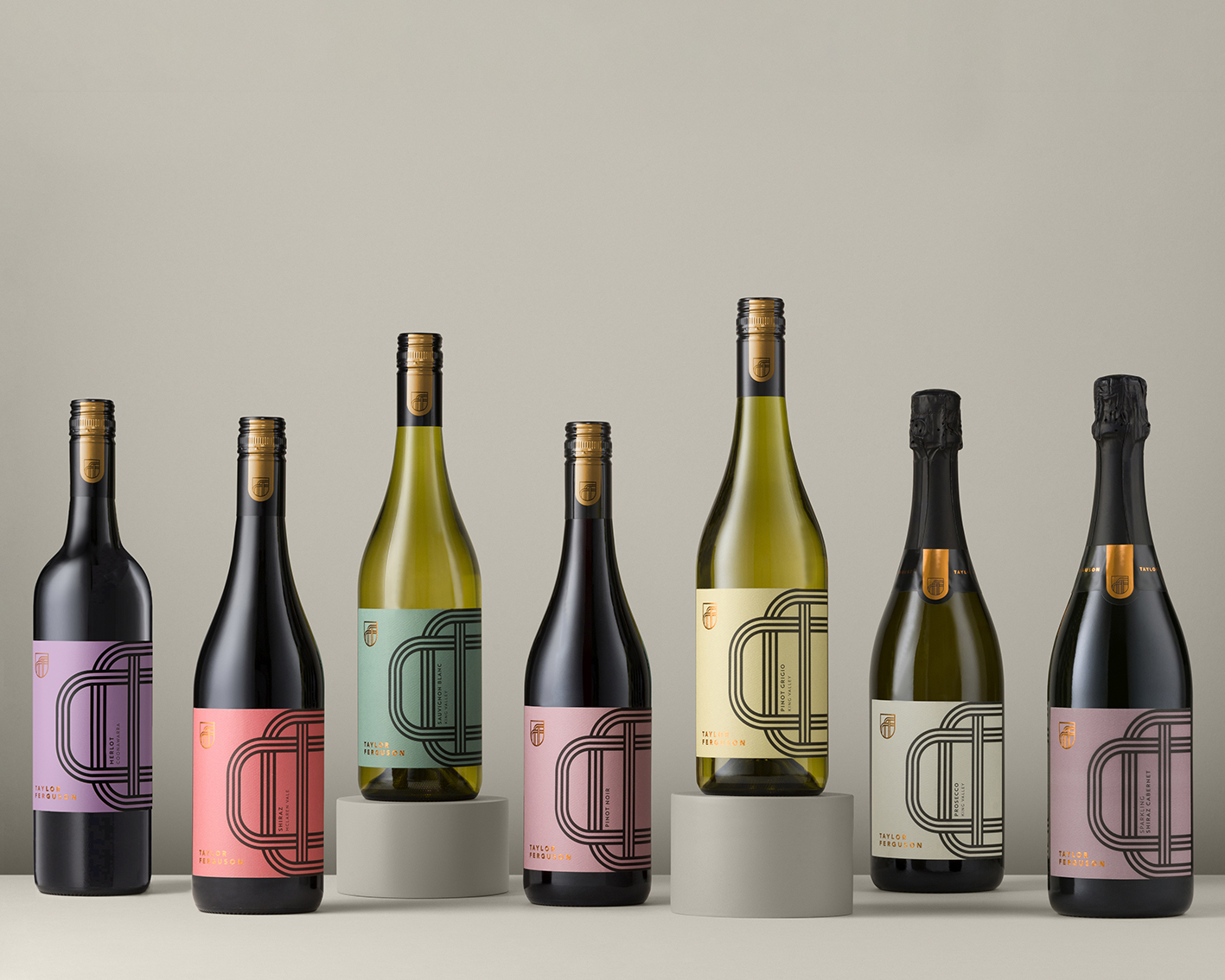
Taylor Ferguson’s recent transformation extends well beyond the wines themselves. The complete redesign of the brand was driven by a desire to reconnect a historic Australian label with contemporary consumers, resulting in a bold visual identity that pairs vibrant, variety-specific colours with clean, modern design. The project has since received international recognition through an award from the World Brand Design Society, highlighting the importance of design in helping communicate provenance and personality on a crowded retail shelf.