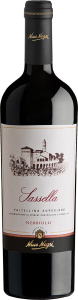
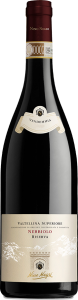
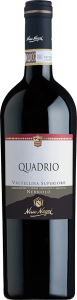
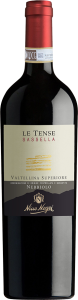
Terroir Summary:
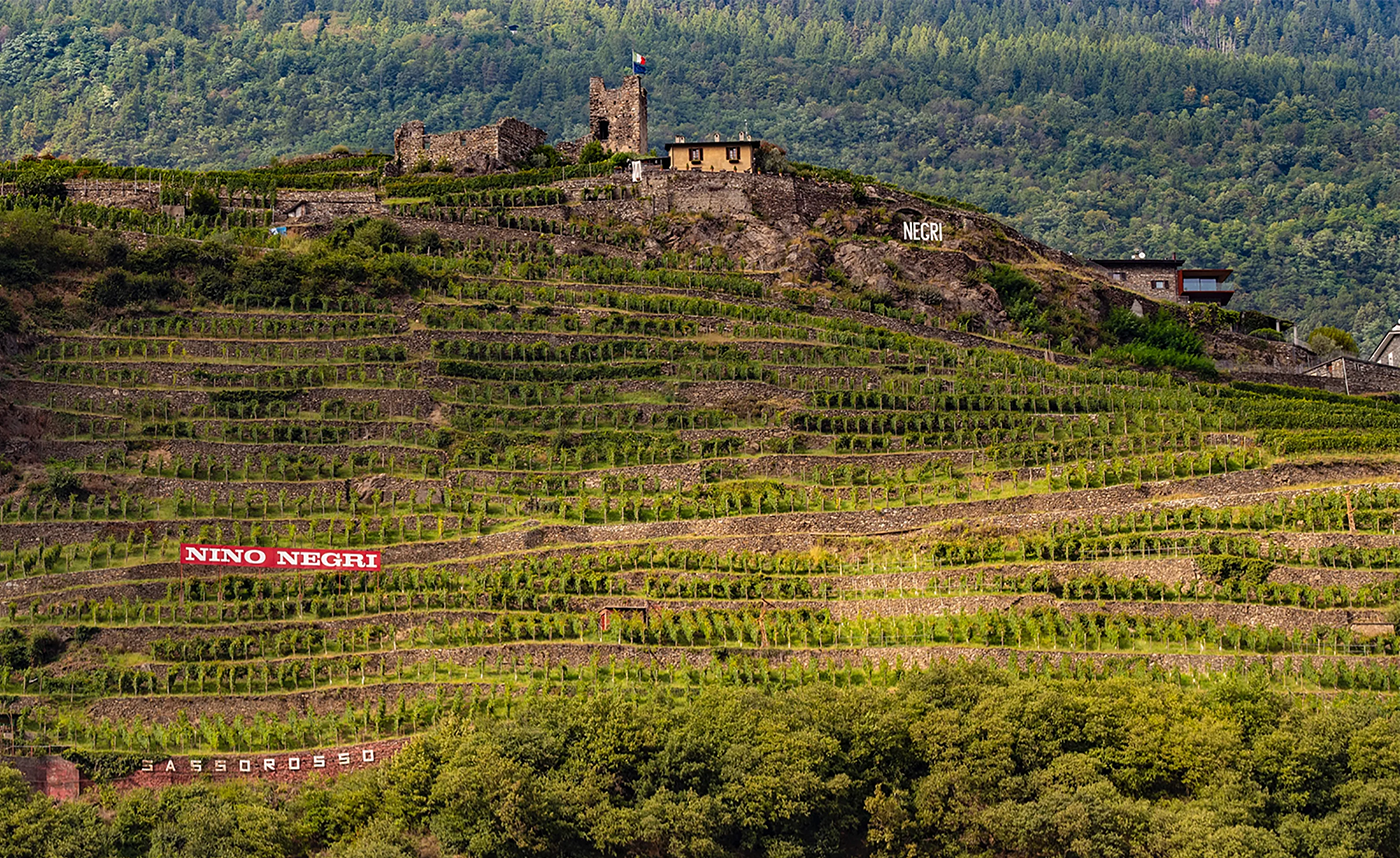
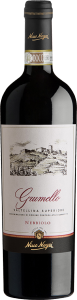
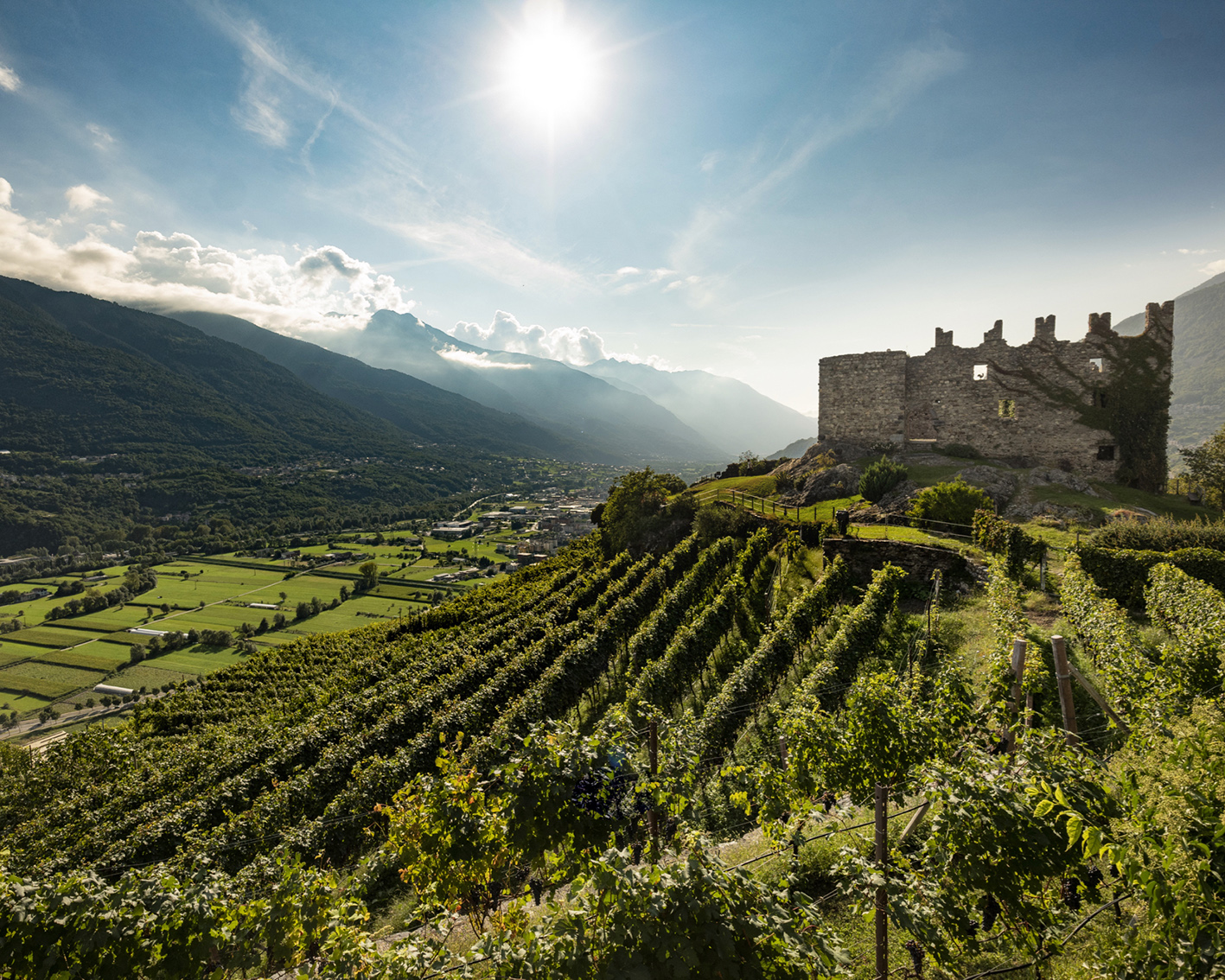
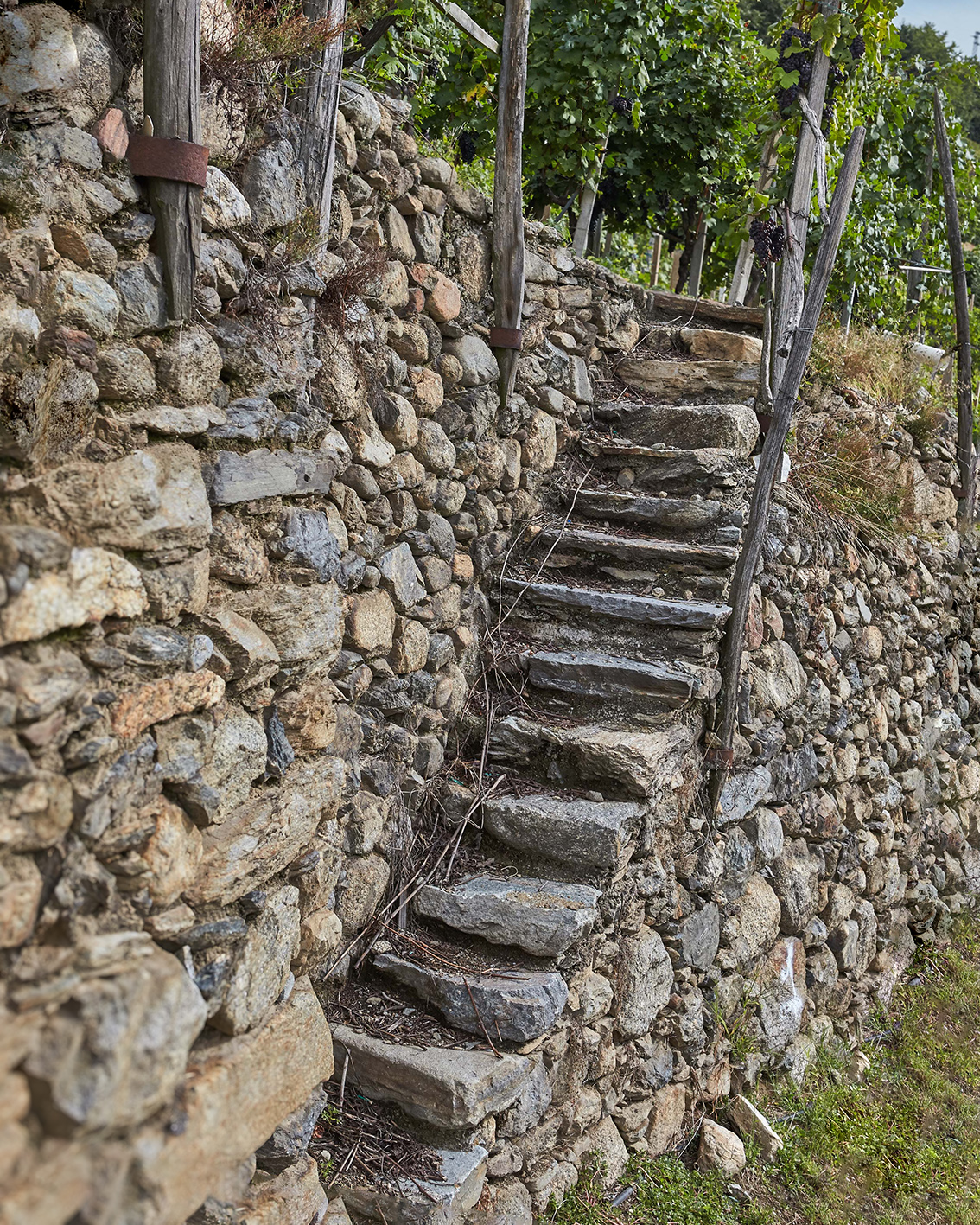
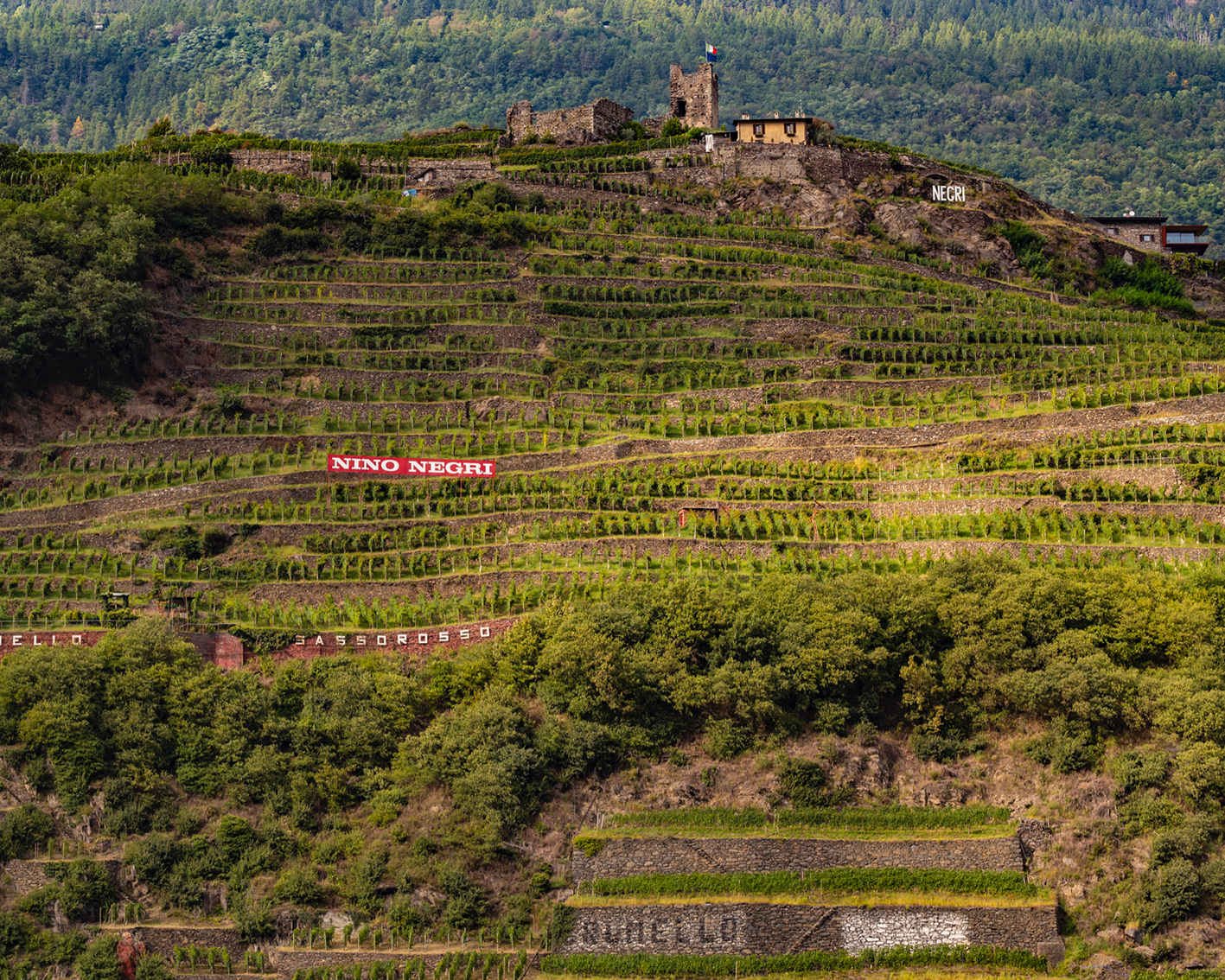
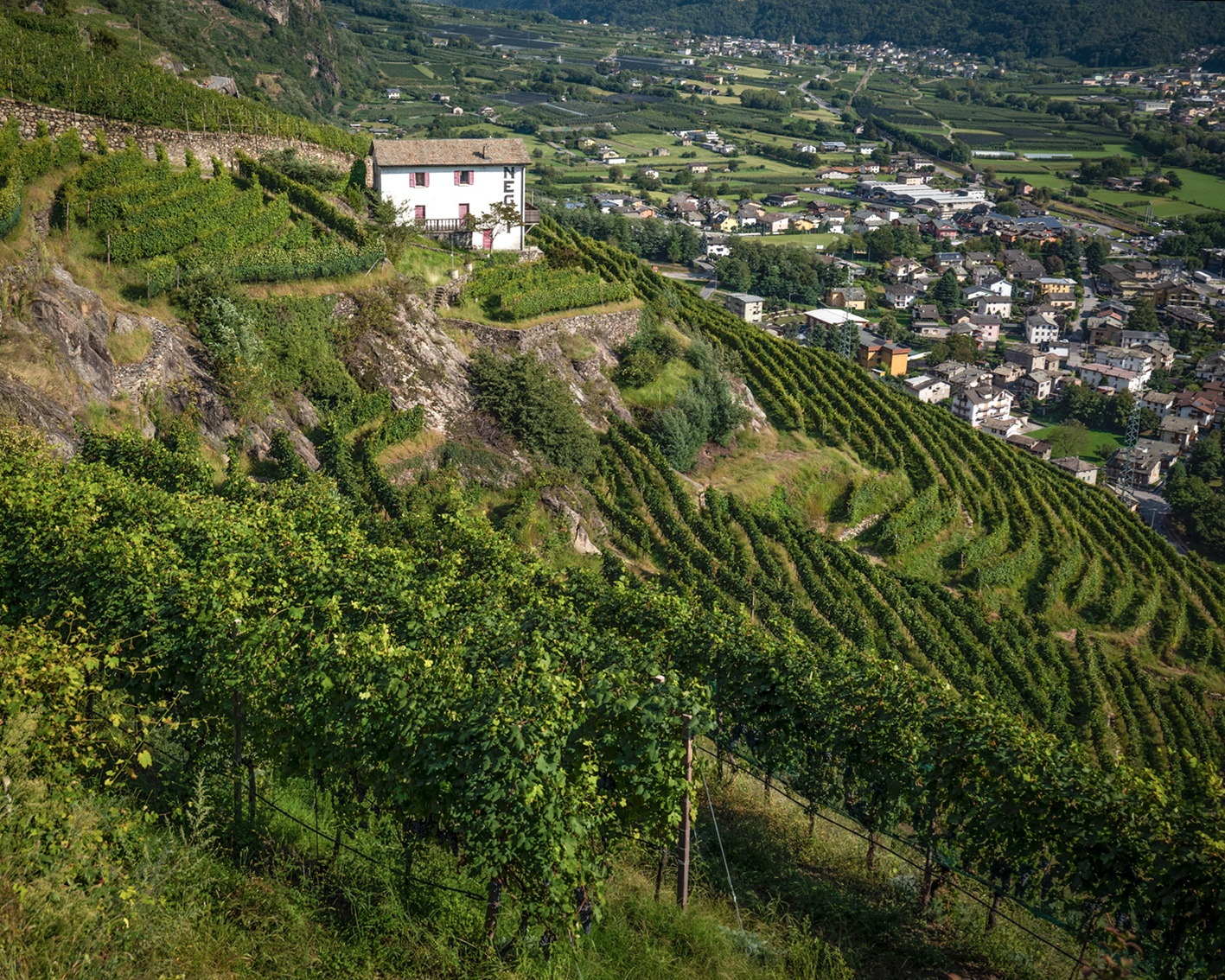
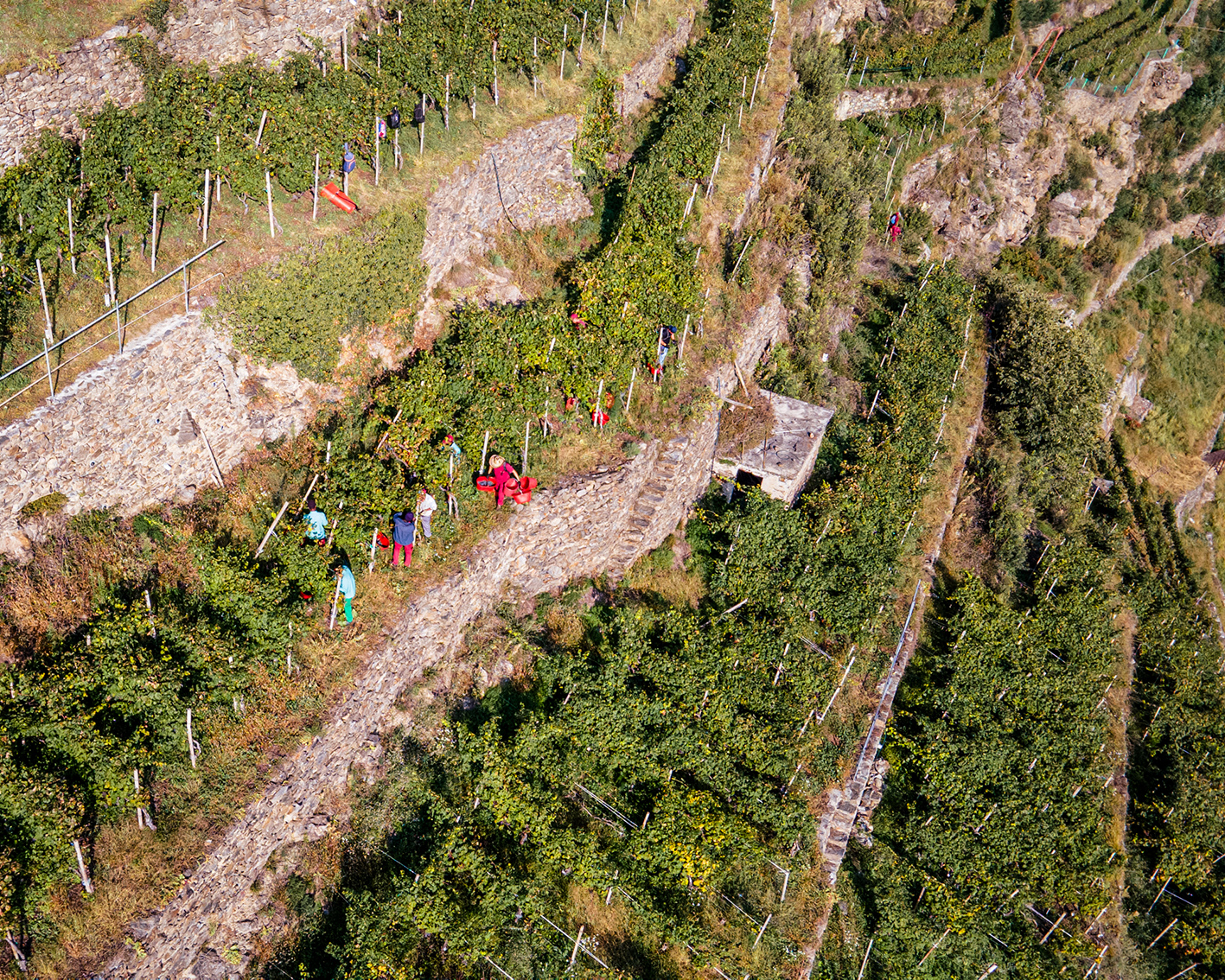
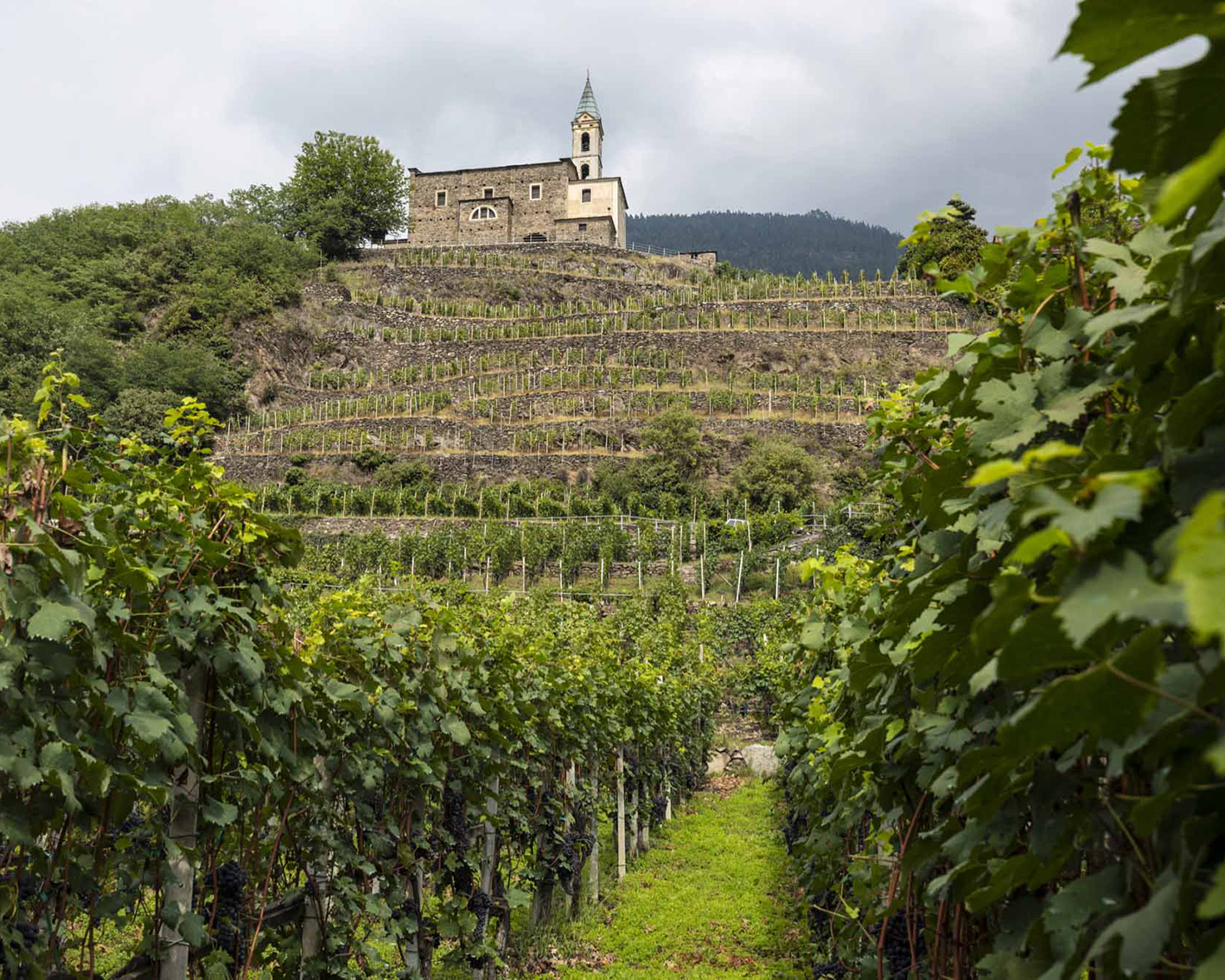
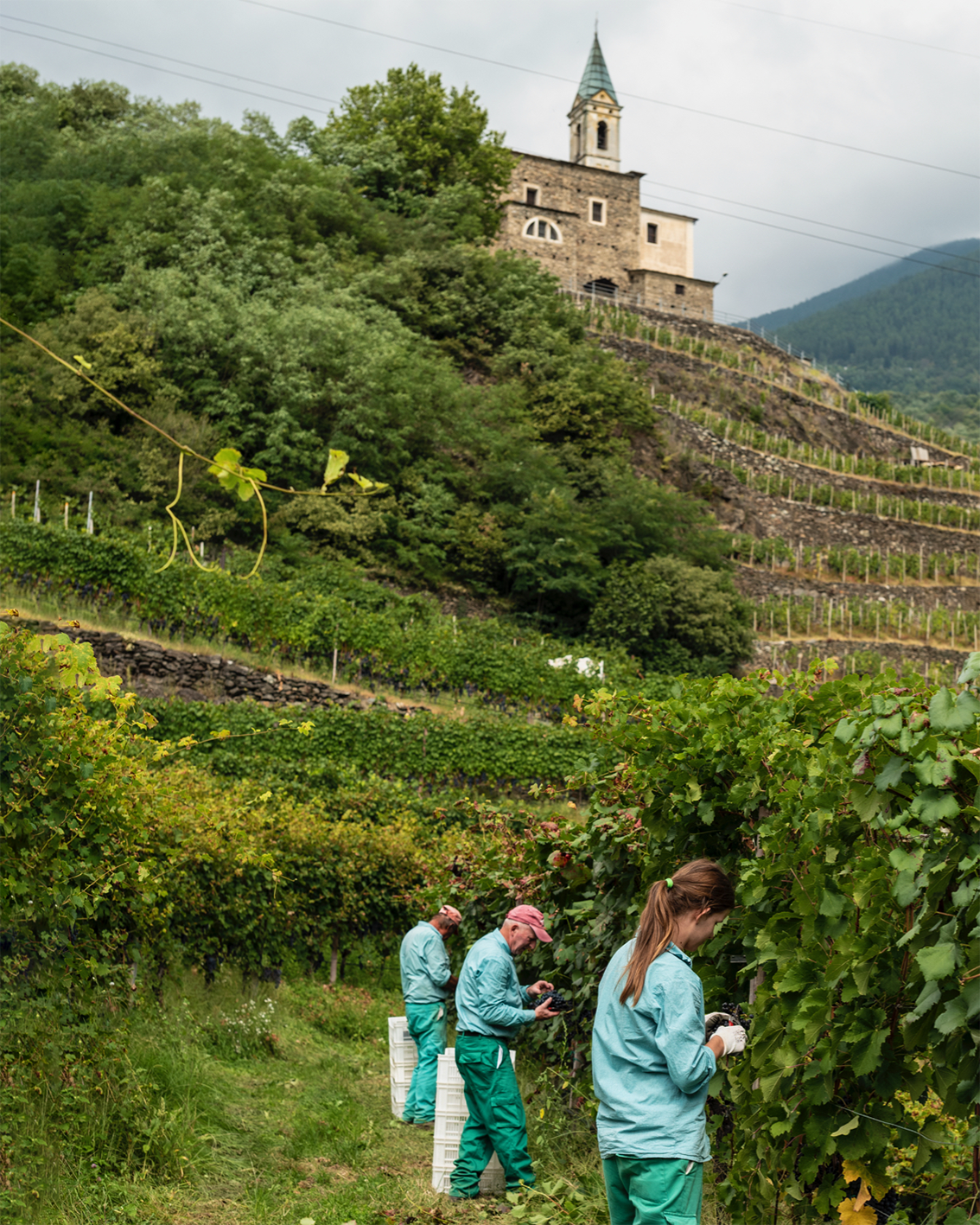
Valtellina’s defining feature is its extensive system of terraced vineyards, supported by thousands of kilometres of dry-stone walls built over centuries. These structures not only make cultivation possible on steep slopes but also contribute to biodiversity and landscape preservation. The vineyards extend across Valtellina’s key subzones—including Sassella, Grumello and Inferno—as well as estate cru sites such as Vigna Fracia, each contributing distinct expressions shaped by altitude, exposure and soil composition. Soils throughout the valley are generally shallow, sandy and gravel-rich, with low organic matter and a predominance of granitic and schist-derived material formed during glacial activity. These free-draining soils naturally restrict vine vigour, encouraging deep root penetration into fissures of the underlying rock and resulting in wines with concentration, precision and a strong mineral character. High sun exposure—due to the steep, south-facing slopes—enhances ripening, while the surrounding mountains provide protection from cold northern winds and humid southerly currents. Altitudes ranging from 250 to 700 metres above sea level further contribute to the diversity of microclimates across the region, amplifying differences between vineyard sites and reinforcing the nuanced, site-specific expressions that define Valtellina wines.
Heritage:
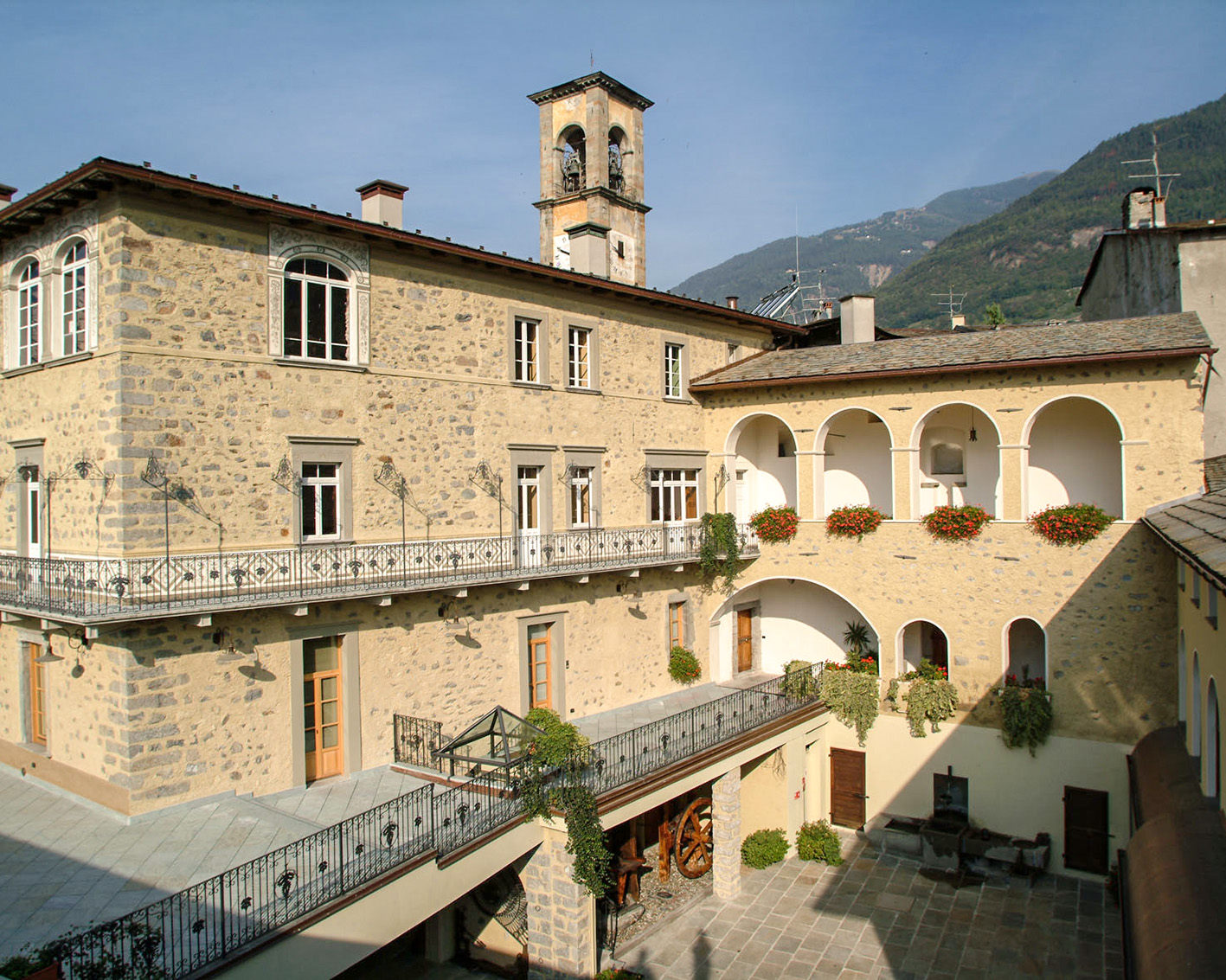
Founded in 1897, Nino Negri has evolved from a historic local winery into one of Valtellina’s most important producers, deeply rooted in the cultivation of Nebbiolo across the region’s steep alpine terraces. Over the early decades, the estate established itself within the traditional dry-stone vineyard system, before gradually expanding across key subzones including Sassella, Grumello, Inferno and Valgella. In the late 1970s, Nino Negri was acquired by what would become Gruppo Italiano Vini (GIV), one of Italy’s most internationally recognised wine groups, comprising a portfolio of historic estates across the country. Entering a new phase of development and benefitting from GIV’s global reach and strategic direction, Nino Negri still retains a strong focus on terroir-driven winemaking under the guidance of head winemaker Danilo Drocco, who oversees the estate’s oenological vision and the continued evolution of its alpine Nebbiolo style.
Philosophy:
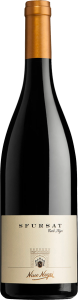
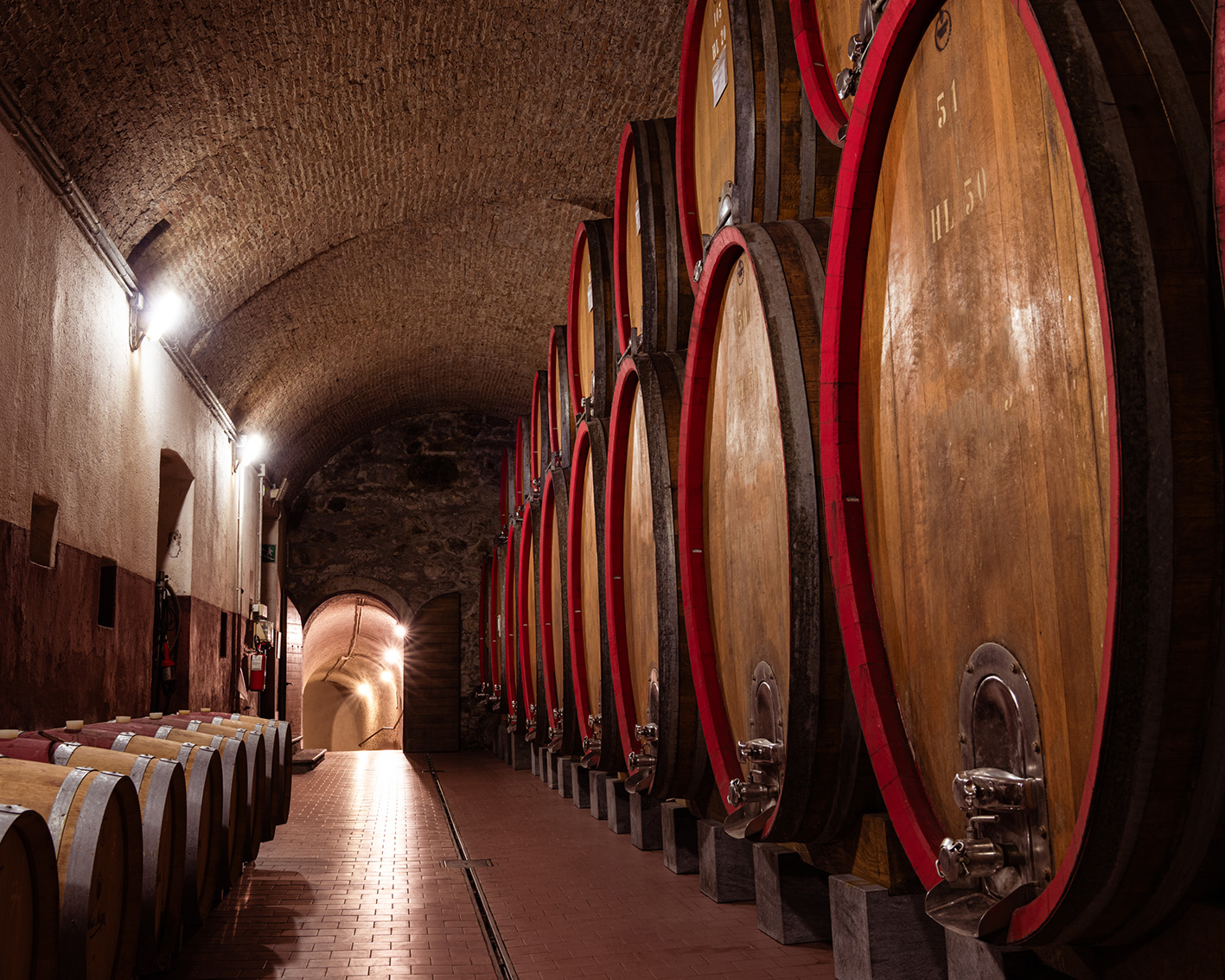
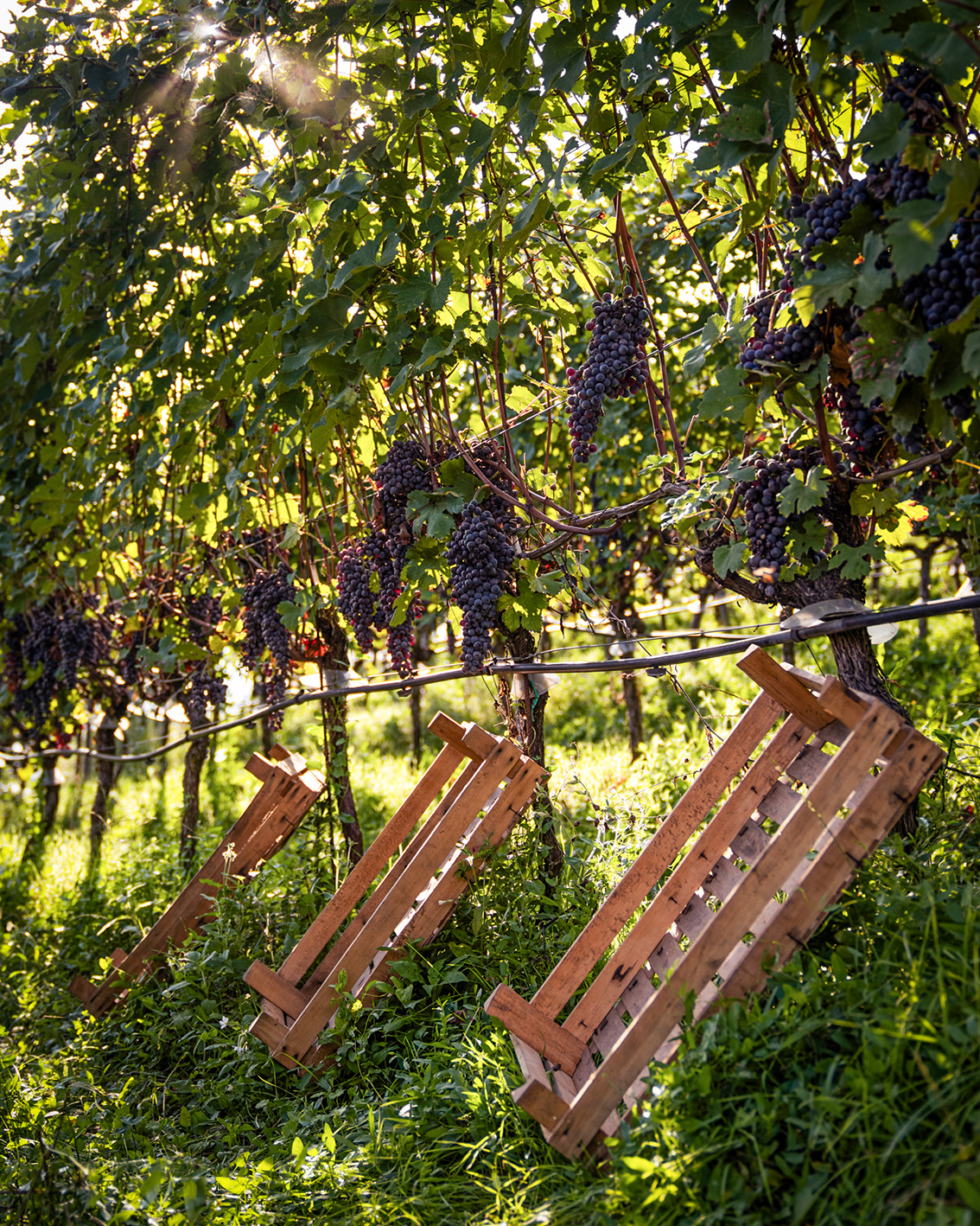
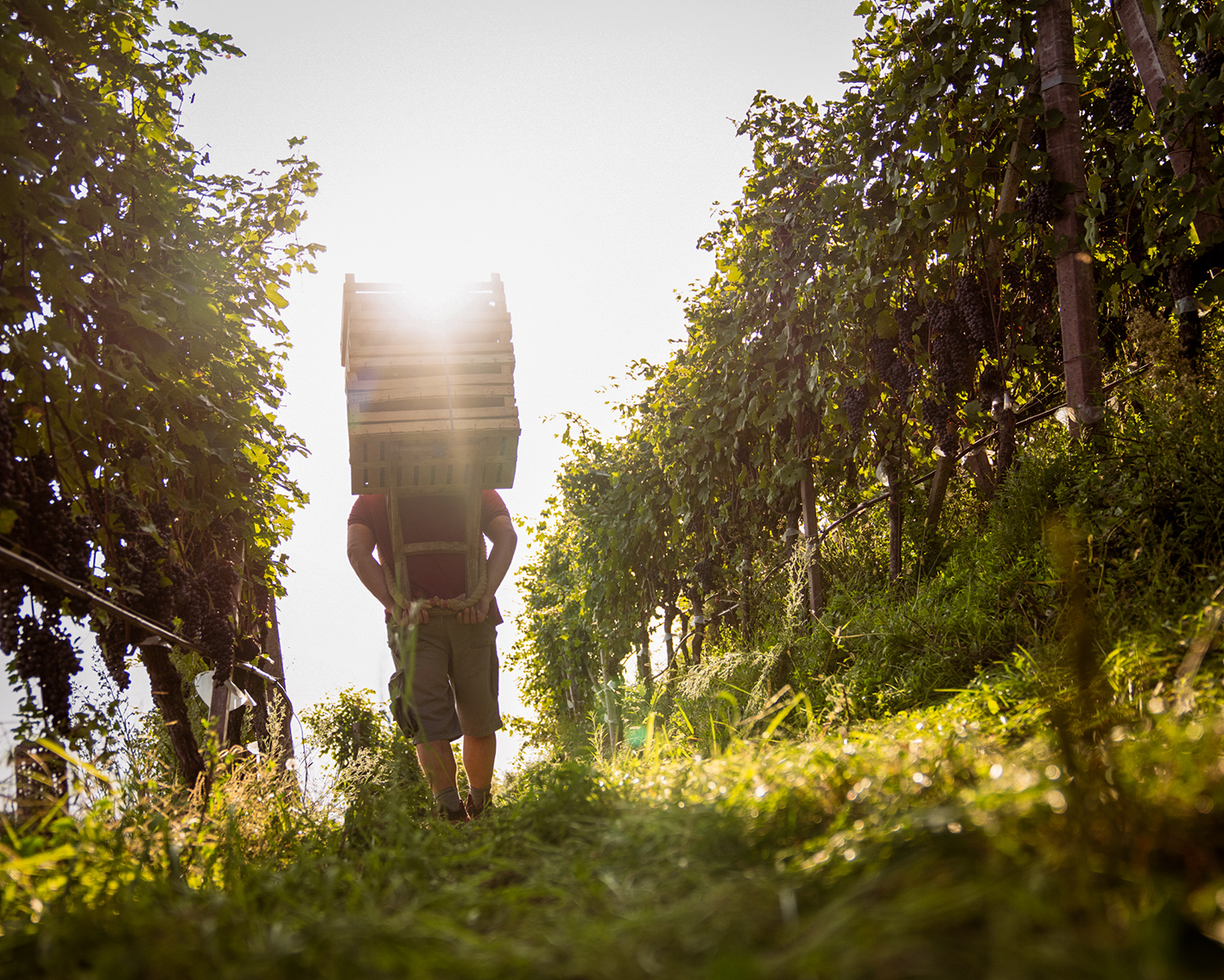
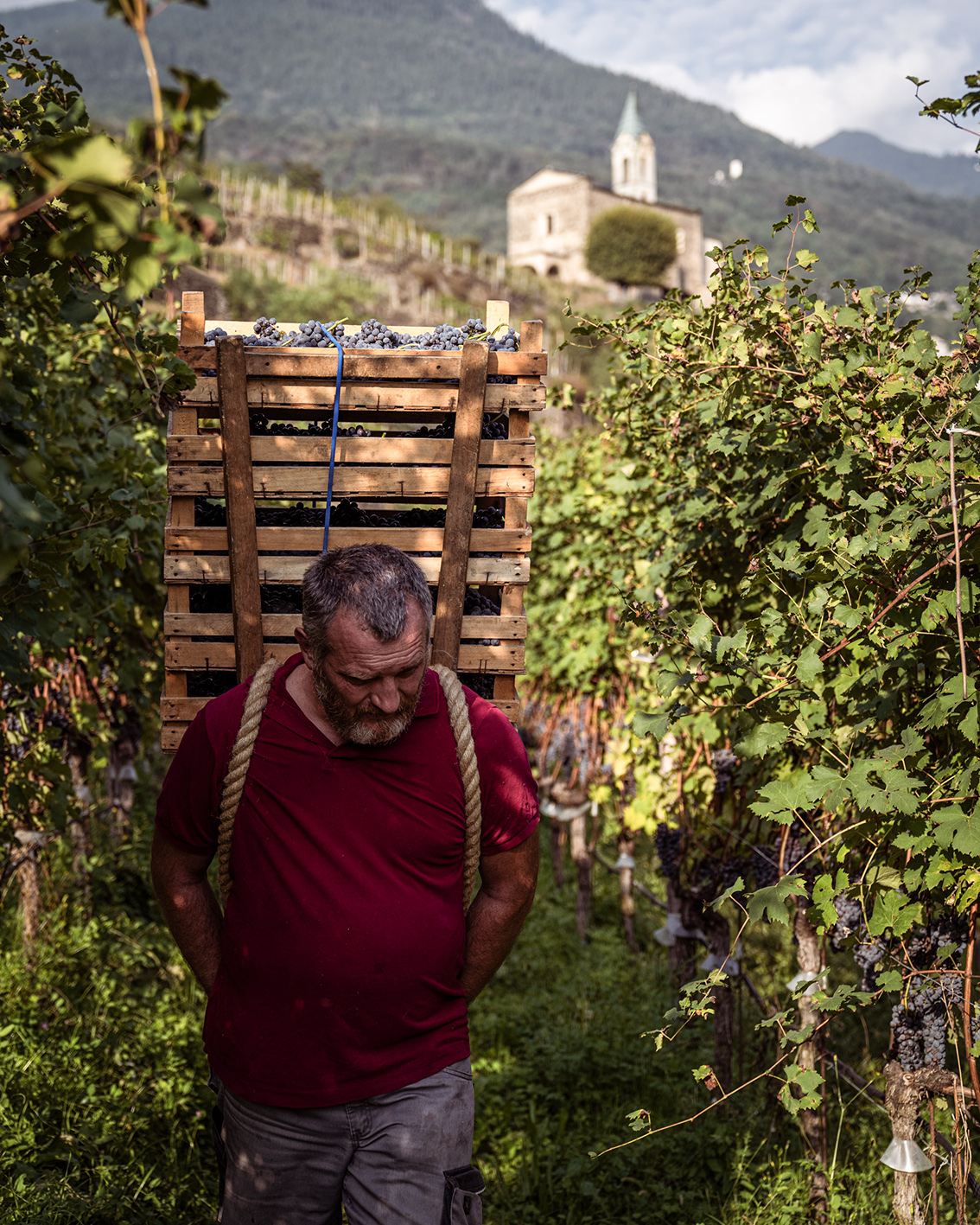
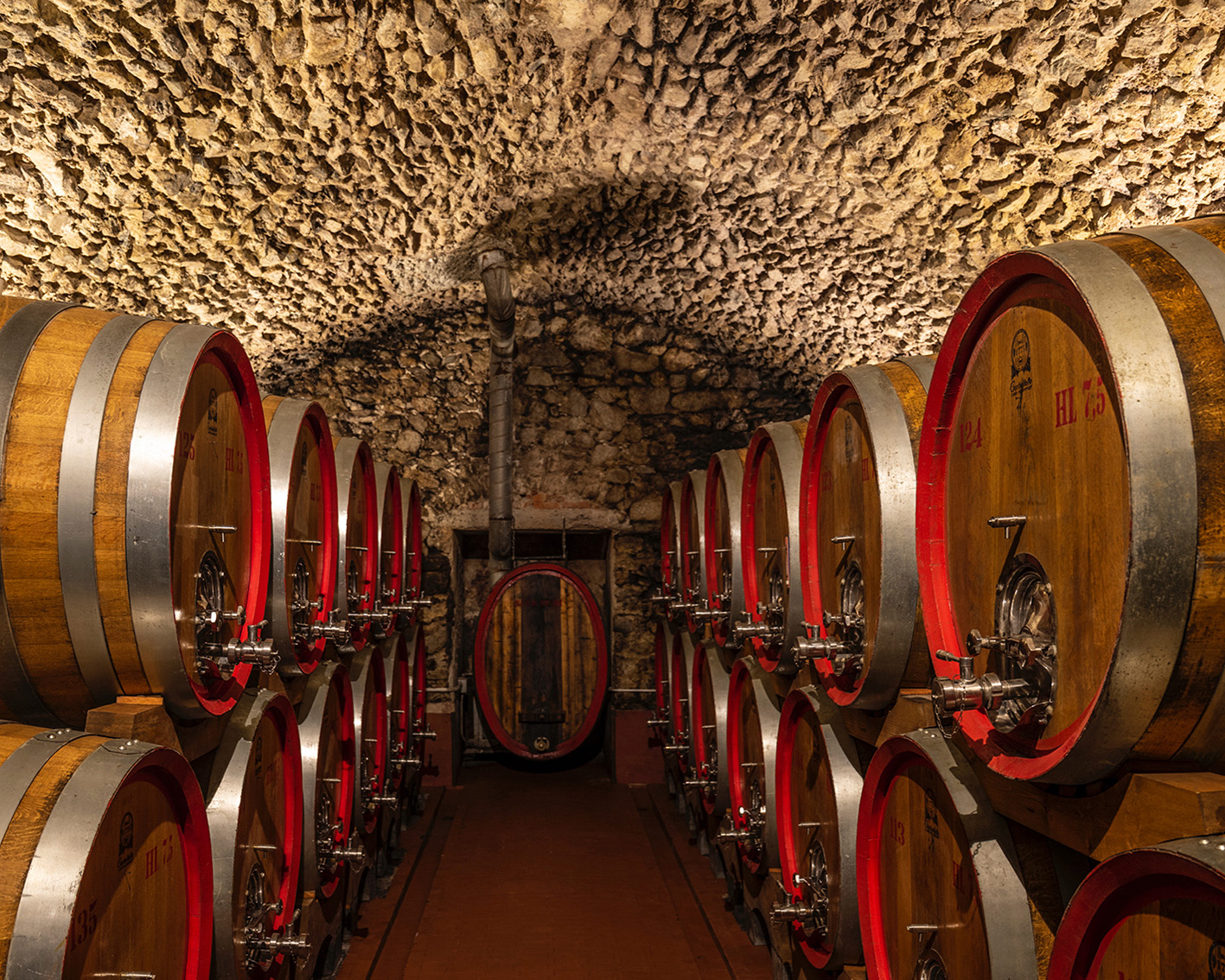
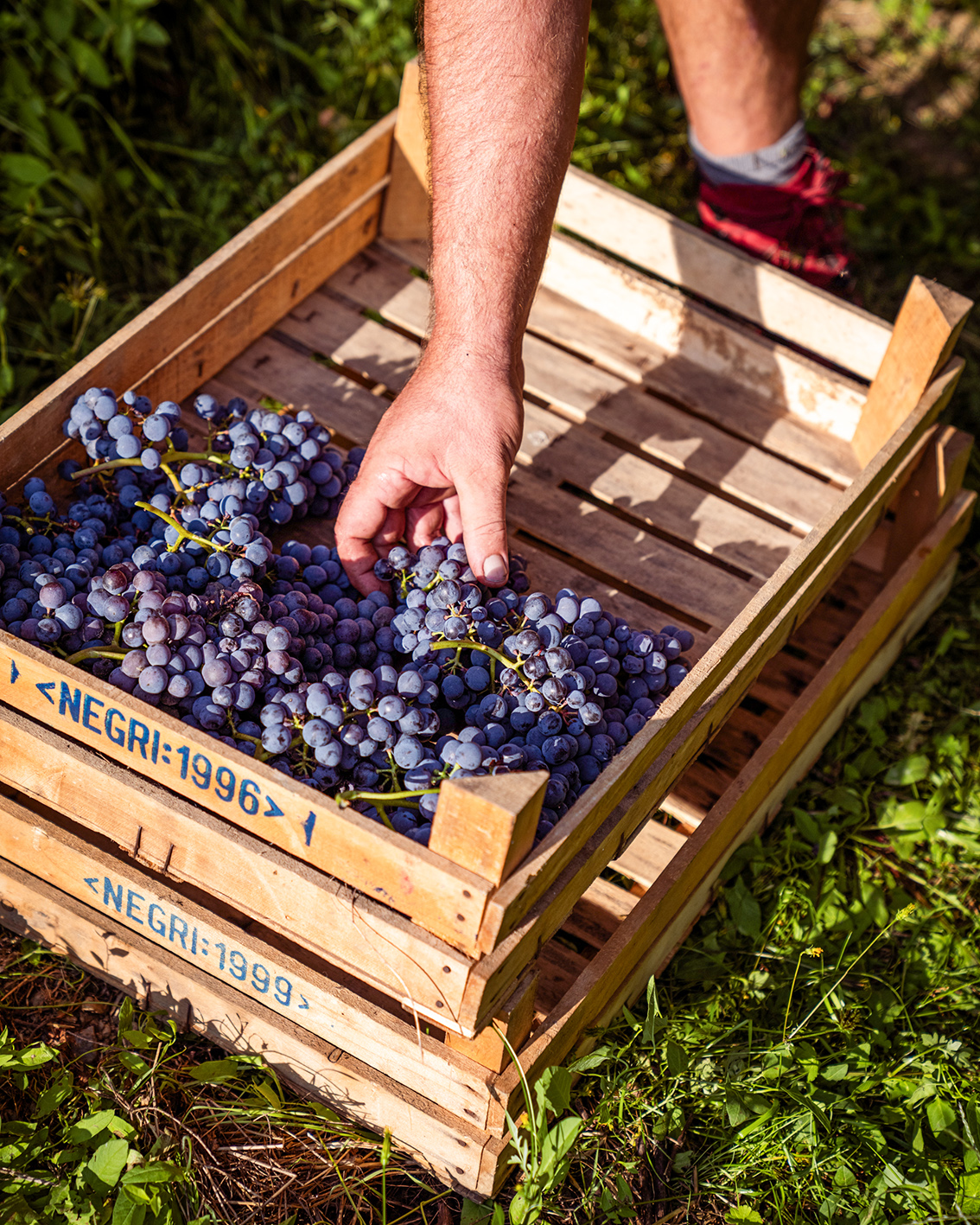
The winery follows a terroir-driven philosophy centred on expressing the full complexity of Valtellina’s mountain landscape, where viticulture is often described as “heroic” due to the extreme conditions in which it is practiced. Steep, high-altitude terraces supported by ancient dry-stone walls require entirely manual cultivation, with hand harvesting the norm and, in the most inaccessible sites, cable systems or helicopters are often necessary to move fruit. Vineyard work is inherently low intervention, not only by choice but by necessity. The terrain limits mechanisation, encouraging a natural balance between vine and environment, preserving biodiversity and minimising impact on the fragile alpine ecosystem. In the winery, this respect for place continues through parcel-by-parcel vinification, allowing each vineyard and subzone to express its individual character. Traditional practices, such as the natural drying of grapes for Sforzato, are maintained alongside ongoing innovation, including experimentation with high-altitude ageing environments.
People:
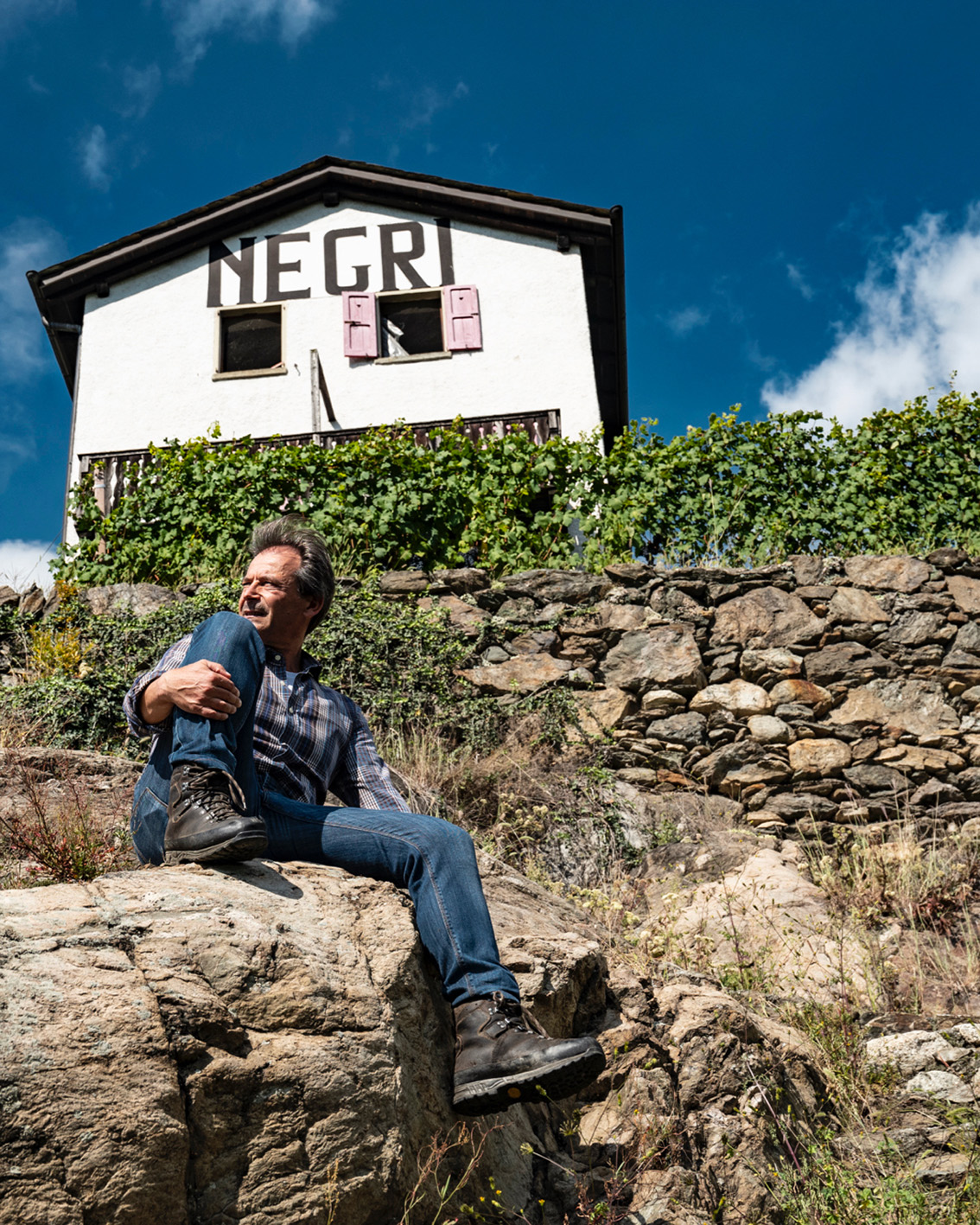
Nino Negri’s identity is shaped both by its long-standing winemaking heritage and the people who have worked its vineyards across generations. Today, the estate’s wines are guided by winemaker Danilo Drocco, an experienced specialist in Nebbiolo with over 30 years in the industry. Originally from Piedmont and trained in oenology at the University of Turin, he brings a refined, technical approach to interpreting Valtellina’s alpine terroir. Alongside this leadership, the winery reflects a broader collective effort—rooted in the tradition of mountain viticulture—where skilled manual labour on steep terraces remains essential. This continuity of knowledge, from early figures such as Carluccio Negri through to today’s vineyard teams, underpins a philosophy that balances precision, heritage and a deep respect for place.
Beyond the Vine:
Pushing the boundaries of mountain viticulture, Nino Negri has pioneered an innovative high-altitude ageing project, exploring how extreme environments can influence the evolution of wine. Building on its identity as a producer of alpine Nebbiolo, the winery has established experimental ageing sites at elevations of up to 3,000 metres above sea level, where reduced oxygen levels, low temperatures and significant atmospheric pressure differences slow the maturation process and enhance complexity. This long-term project culminated in a landmark release of magnums of Vigna Fracia 2016 and Sfursat Carlo Negri 2016, aligned with the Milano–Cortina Winter Olympics, where the wines were served at altitude after also ageing there.