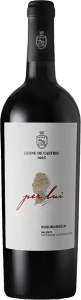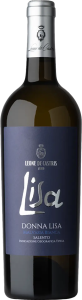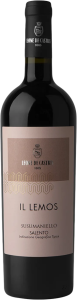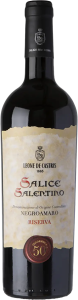
Leone de Castris

Leone de Castris

Historic estate, championing the rare grapes of Puglia

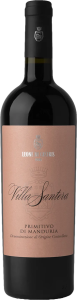
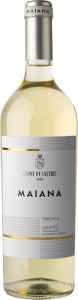
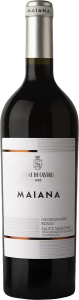
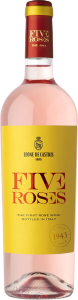
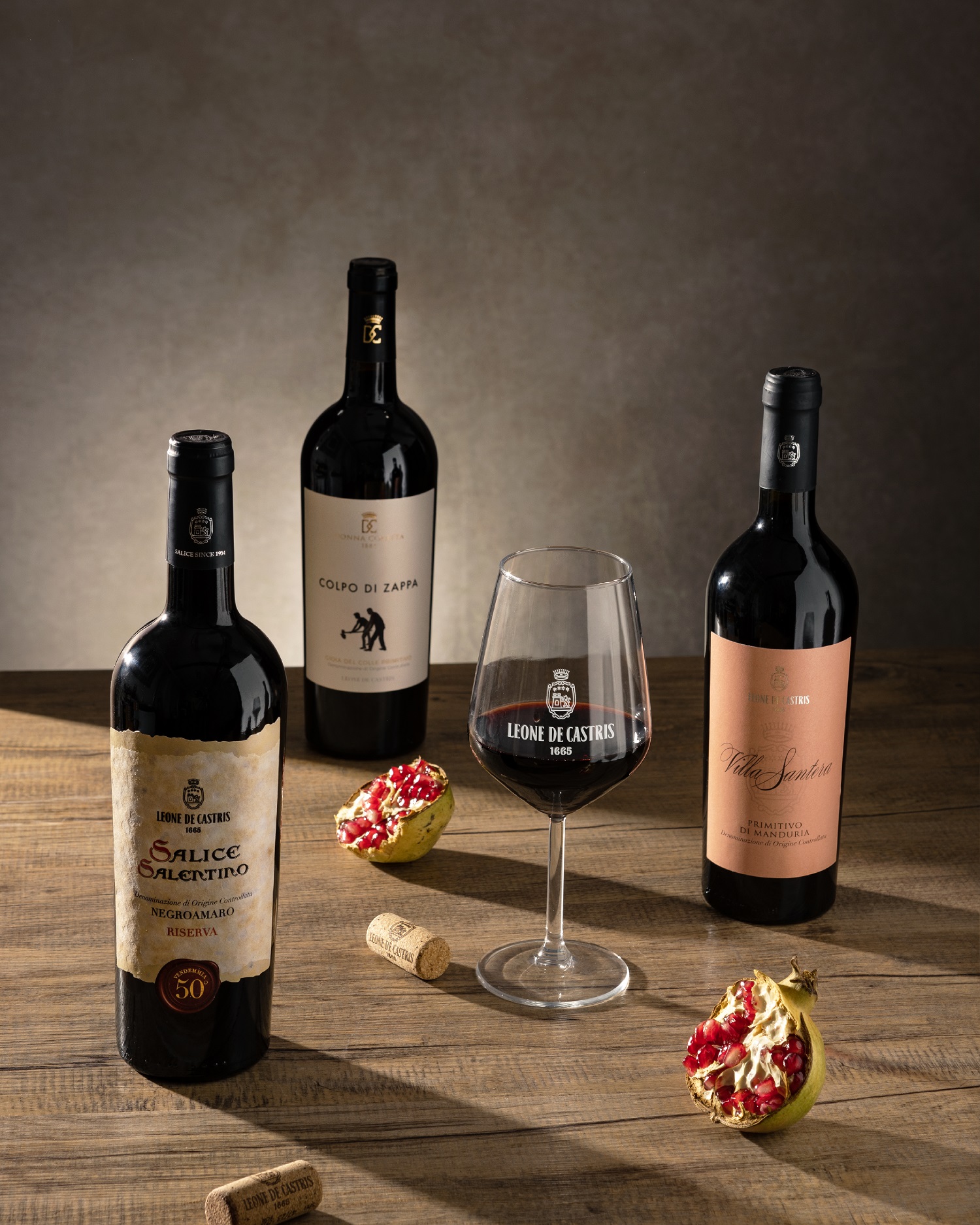
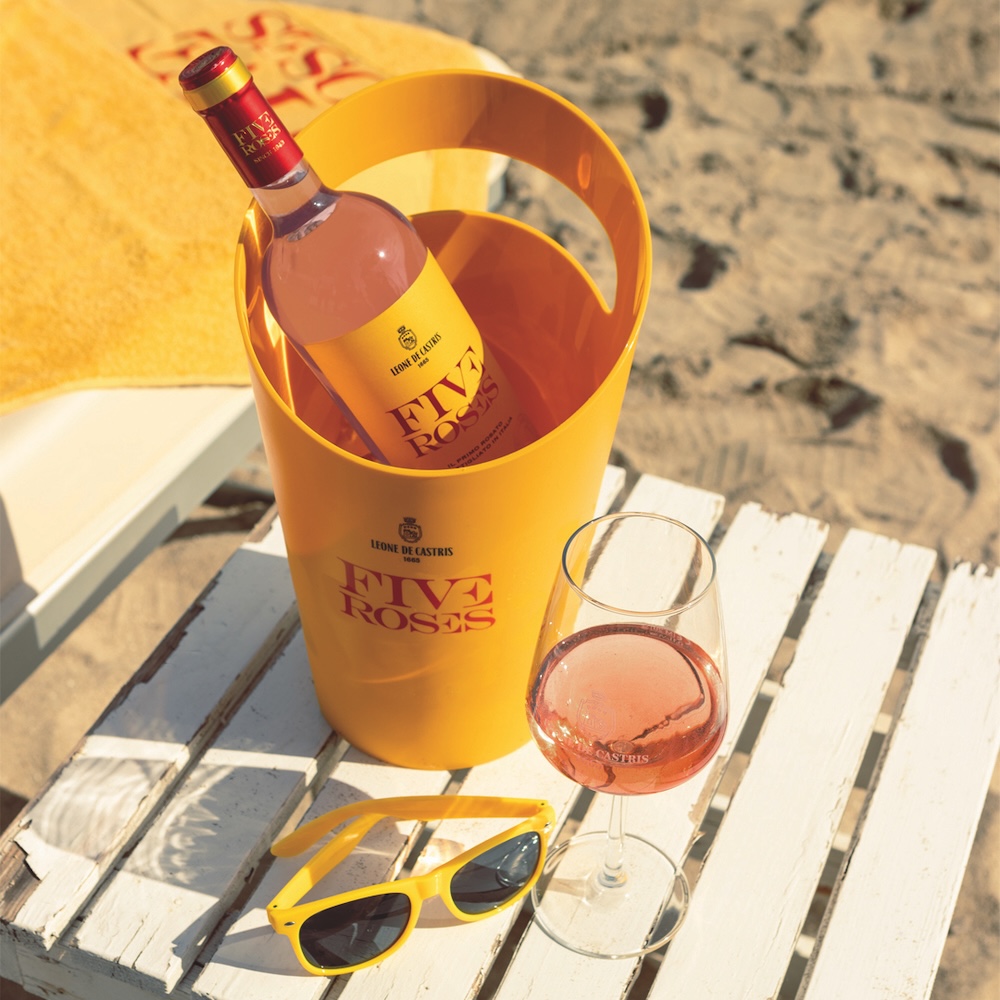
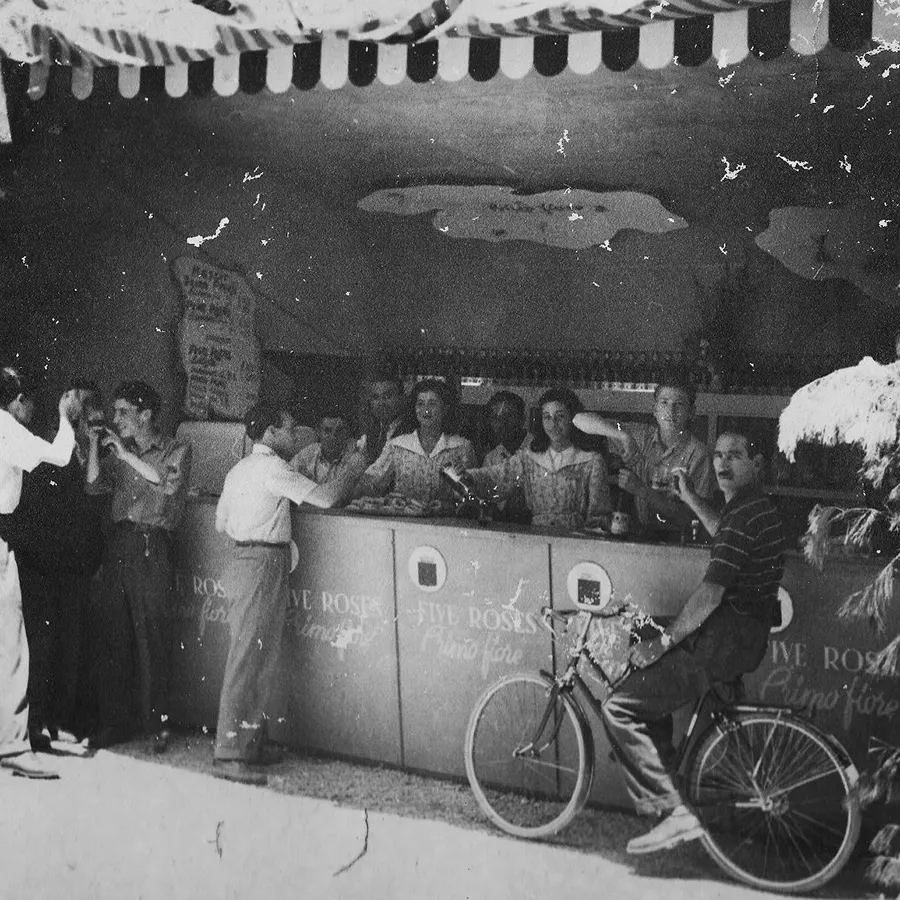
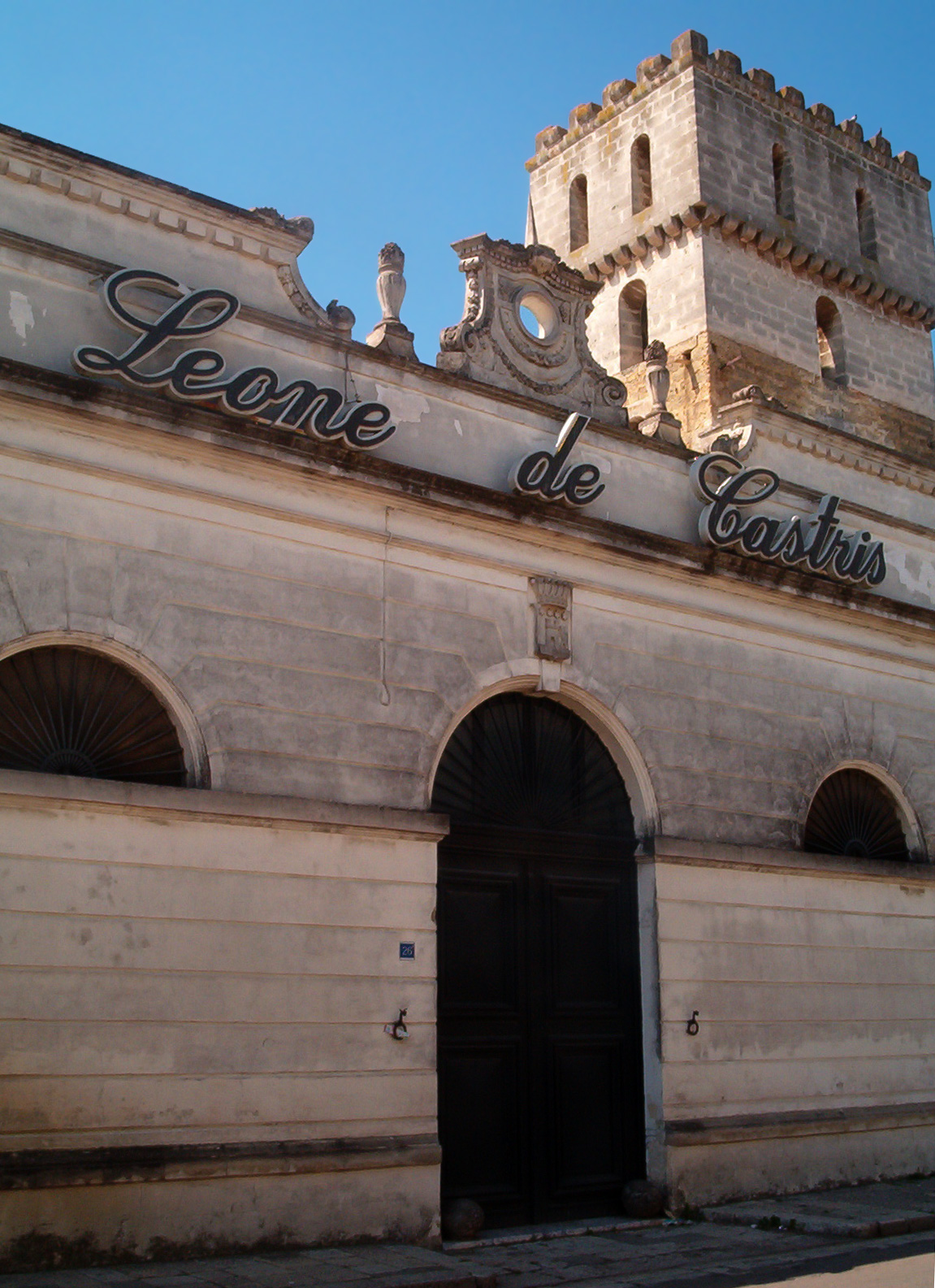
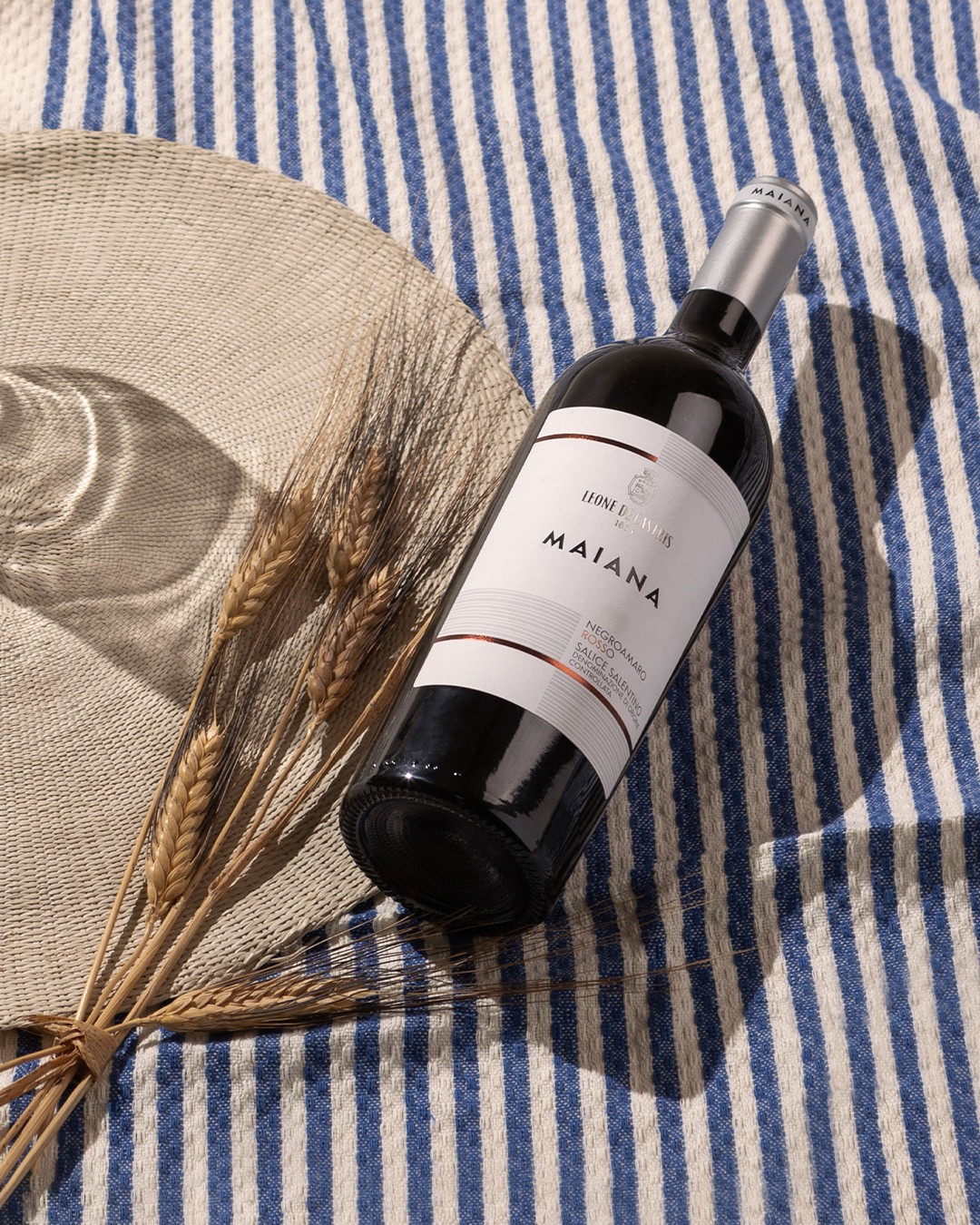
Founded in 1665, Leone de Castris is one of Italy’s oldest family‑owned wineries and a flagship producer of Puglia, based in the Salice Salentino area. Today, under the leadership of Piernicola Leone de Castris, the estate is recognised as a benchmark for quality and authenticity in southern Italy, with vineyard holdings of various indigenous grapes across multiple Puglian terroirs. The winery is internationally acclaimed for its expressive, food‑friendly wines based on Negroamaro, Primitivo, Susumaniello, Verdeca and Malvasia, and is famously the creator of Italy’s first bottled rosé, Five Roses, first produced in 1943. Combining deep heritage with modern precision, Leone de Castris delivers wines of strong regional identity that offer both familiarity and discovery.

  • Historic credibility: Established in 1665 and still family‑owned, offering an authentic heritage story
  • Regional flagship for Puglia: A benchmark producer for Salice Salentino and southern Italian styles, with strong critical recognition
  • Italy’s first rosé: Five Roses is a genuine category‑defining wine with a compelling historical narrative
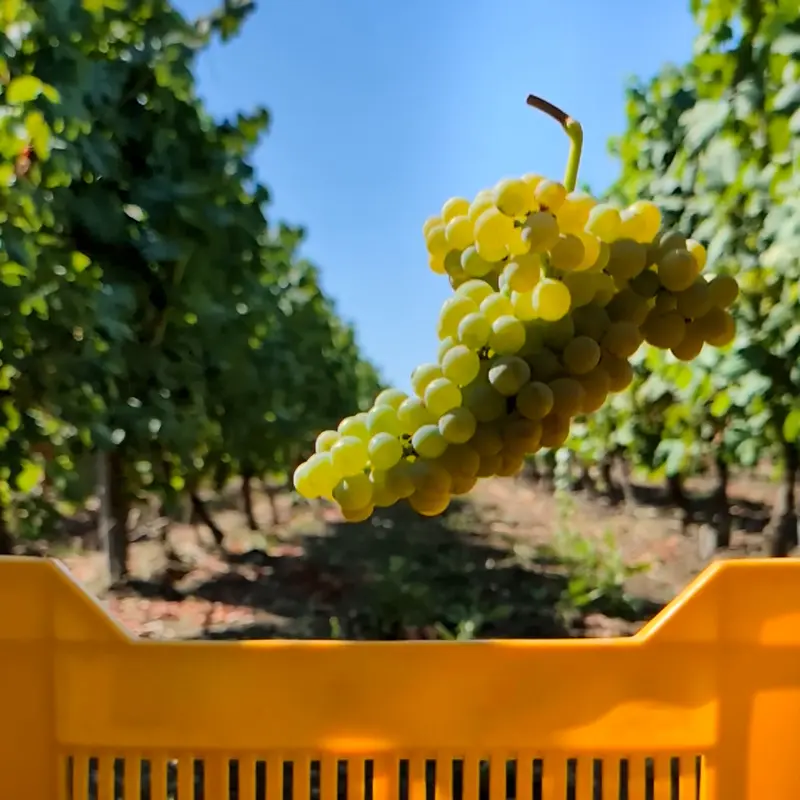
  • Indigenous grape focus: Exciting, point‑of‑difference varieties including Negroamaro, Susumaniello and Verdeca
  • Highly awarded quality: Consistent high accolades across the range
  • Foodfriendly styles: Juicy reds and textural whites with balance and freshness, perfectly suited to Mediterranean and contemporary cuisine


For more information please visit www.leonedecastris.com
 

Heritage

Leone de Castris was established in 1665 by Duke Oronzo Arcangelo Maria Francesco dei Conti Leone de Castris, a Spanish nobleman of the Counts of Lemos who settled in Salice Salentino. One of Italy’s oldest family owned wineries, for centuries, generations of the Leone de Castris family have farmed the same lands, shaping the region’s viticultural identity. The estate played a pivotal role in the recognition of Salice Salentino DOC, and in 1943 made history with Five Roses, Italy’s first bottled rosé.

Philosophy

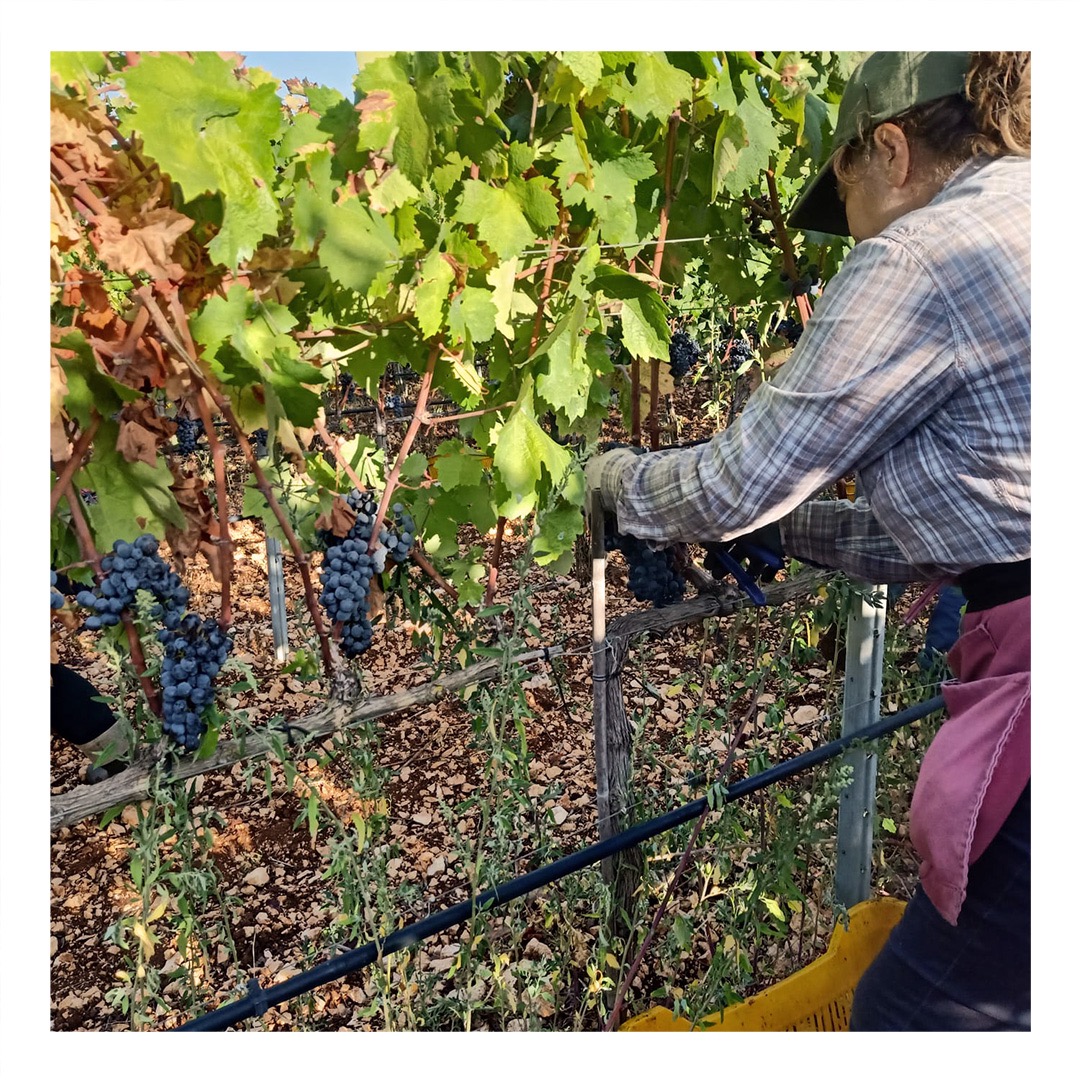
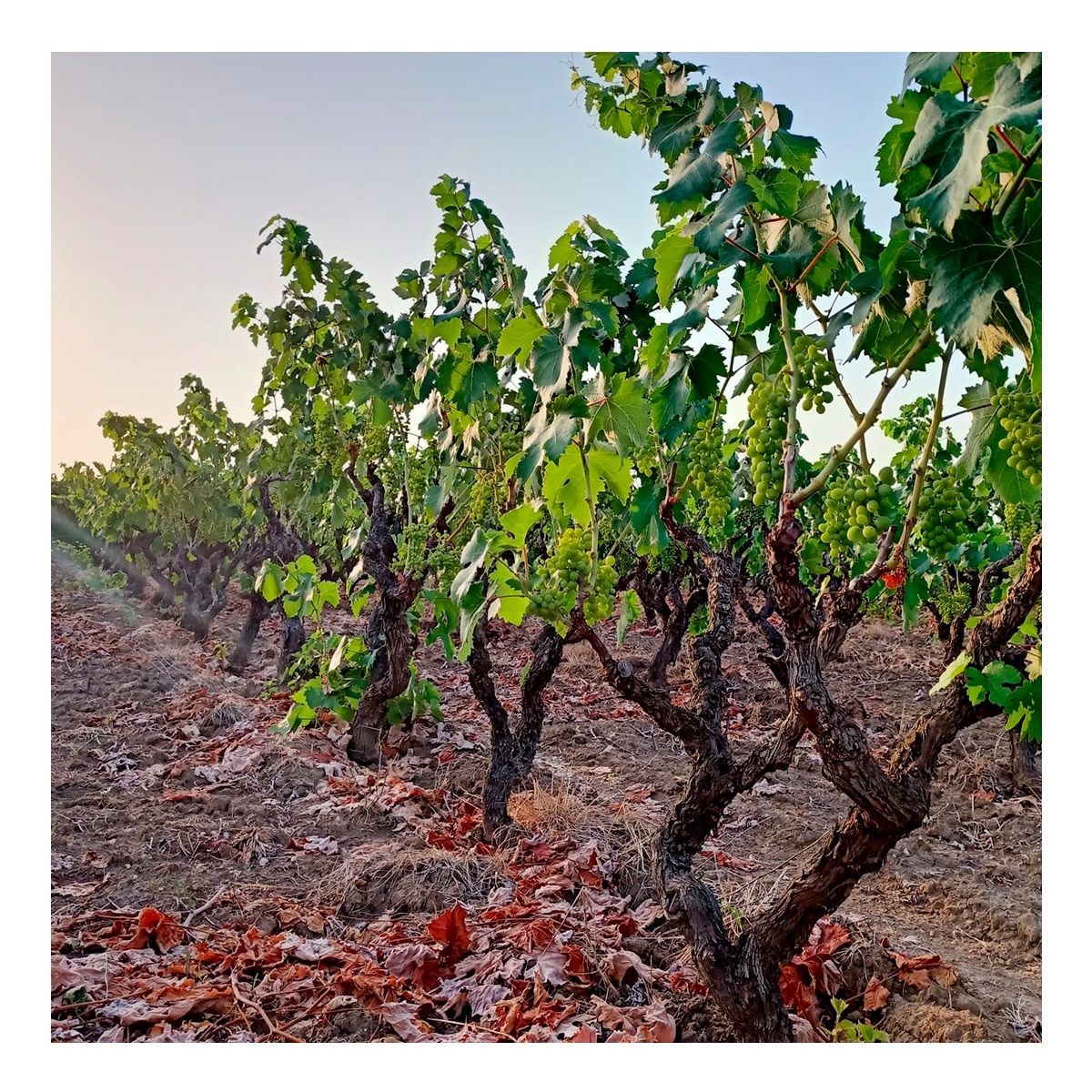
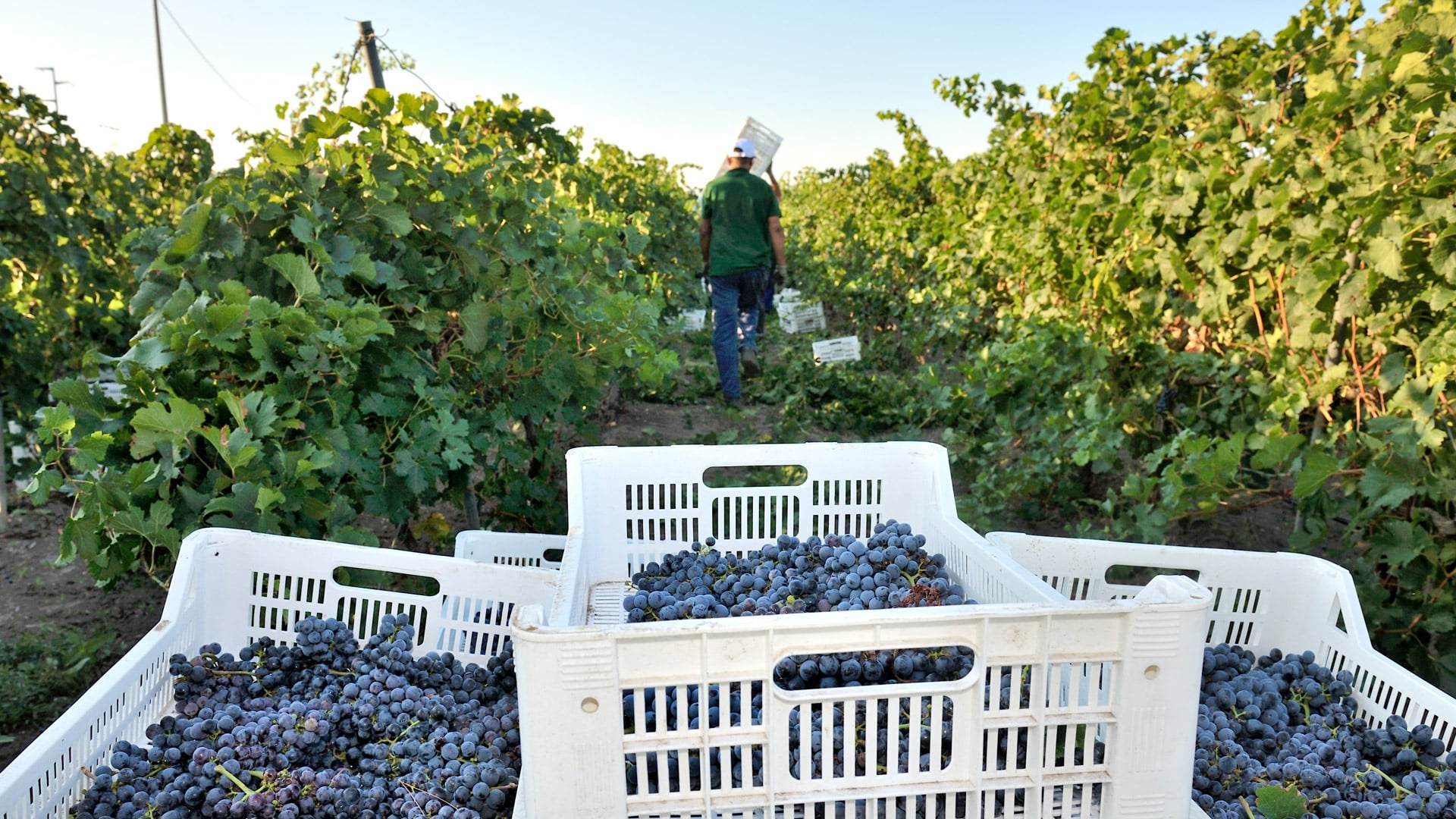
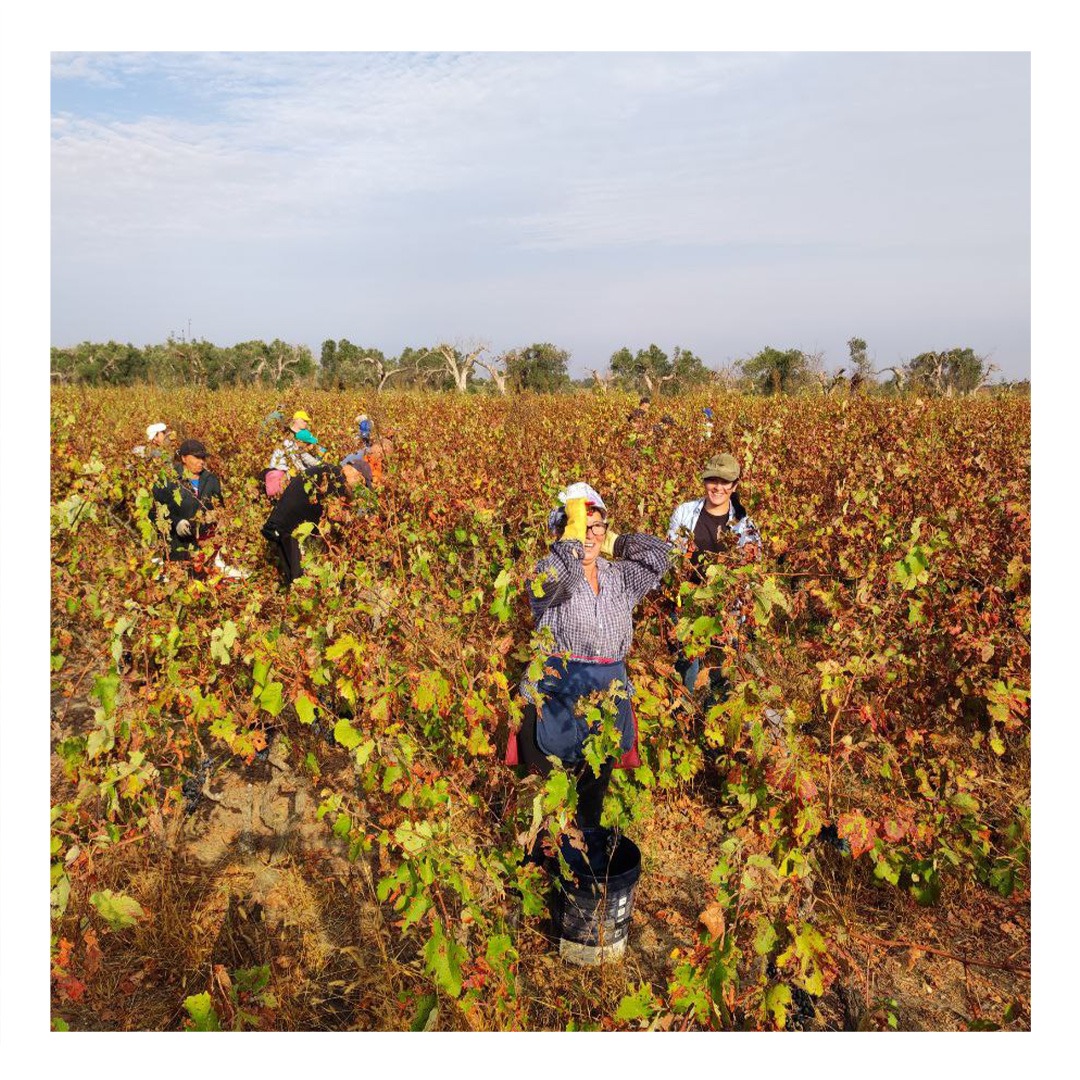
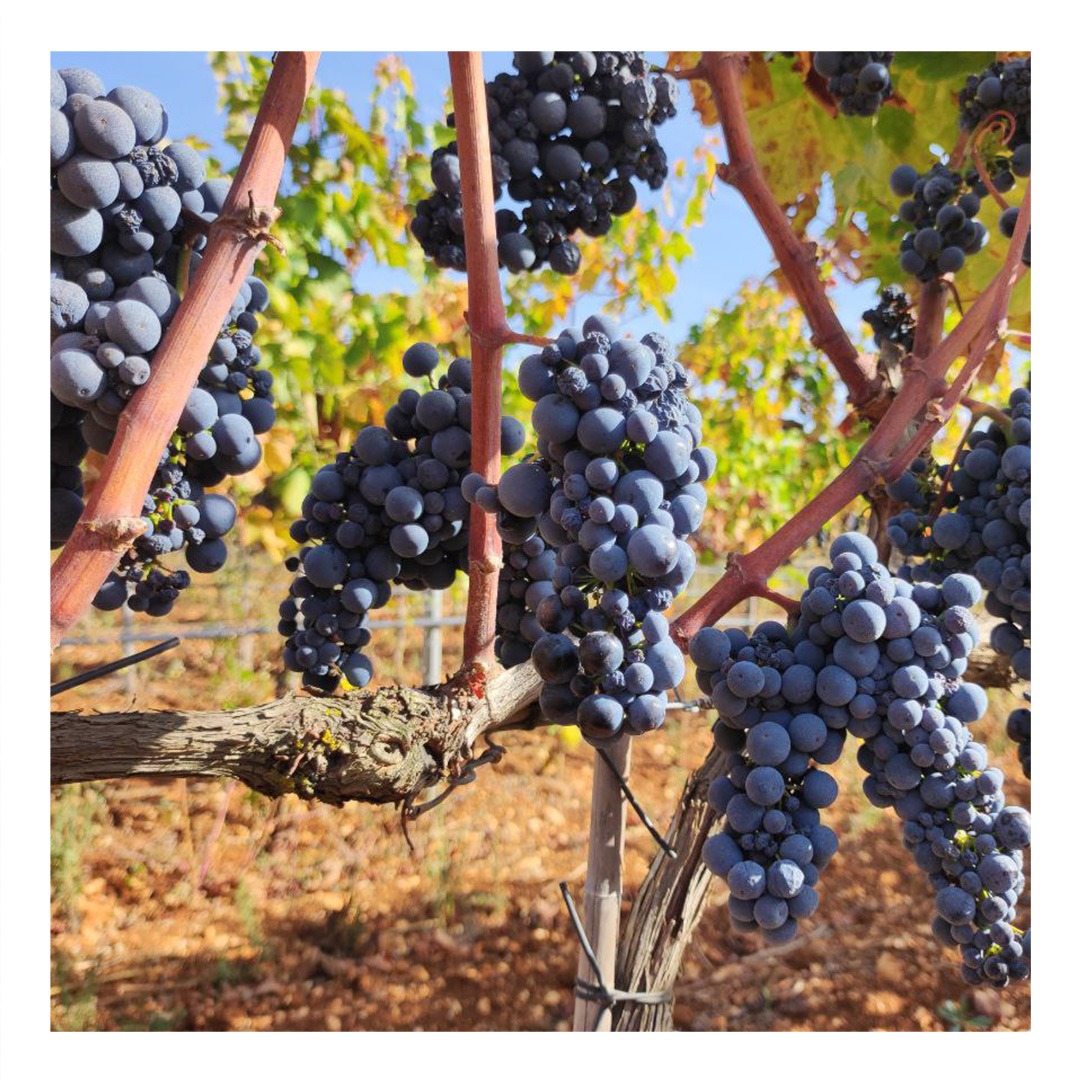
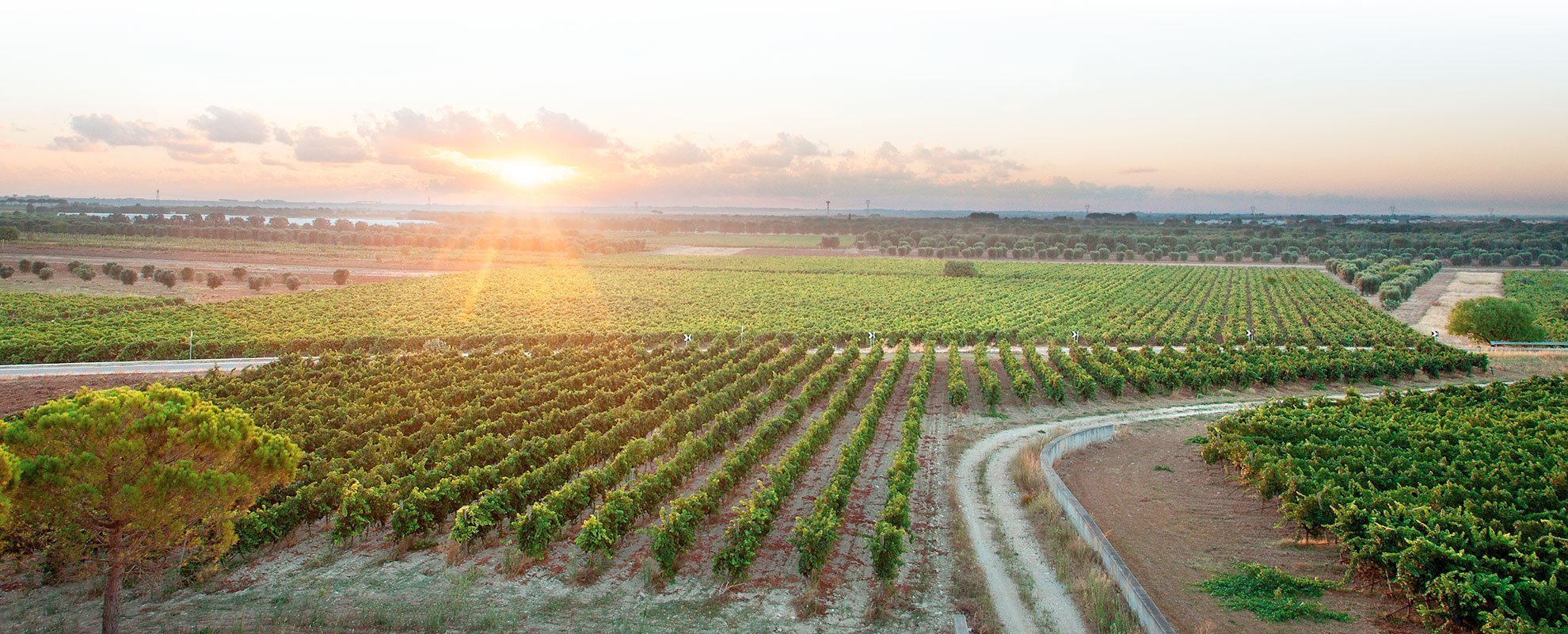
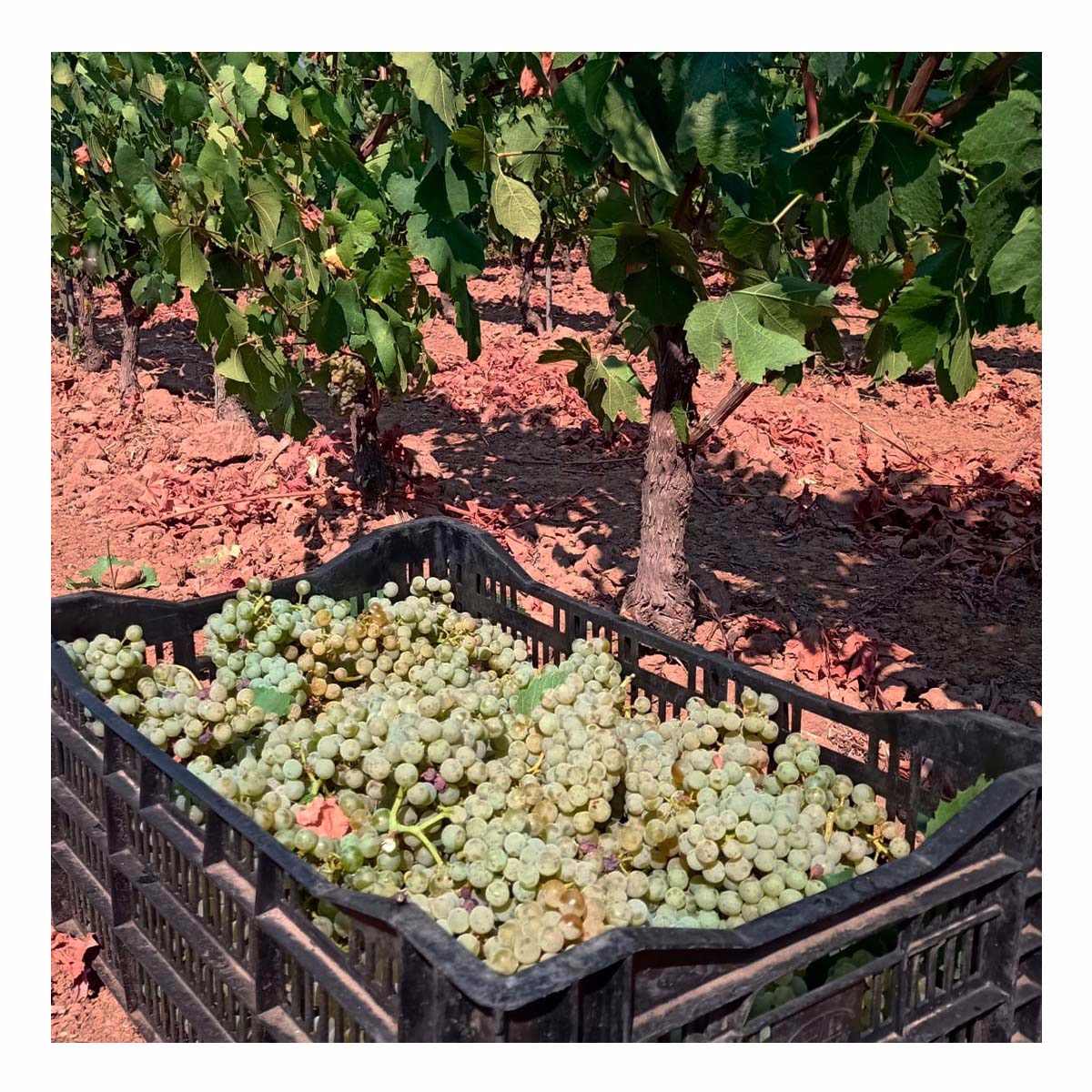
Leone de Castris’ approach is guided by a respect for place, grape and time. Vineyard management prioritises indigenous varieties (particularly Negroamaro) matched carefully to soil type, climate and exposure across Salento and central Puglia. Winemaking balances modern precision with traditional practices, aiming to express clarity of fruit, regional character and age worthiness rather than excess. Leone de Castris holds Equalitas Sustainable Wine certification, addressed through responsible land stewardship, low intervention viticulture where possible, and the preservation of long held estate vineyards as living heritage.

Key People

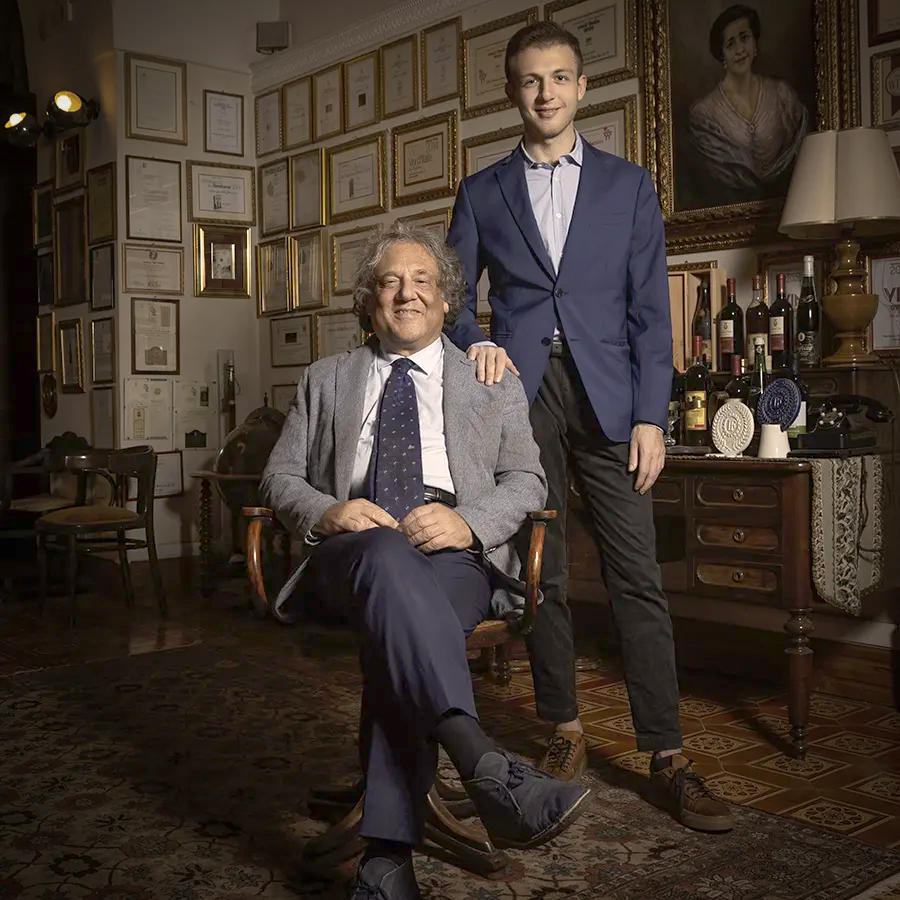
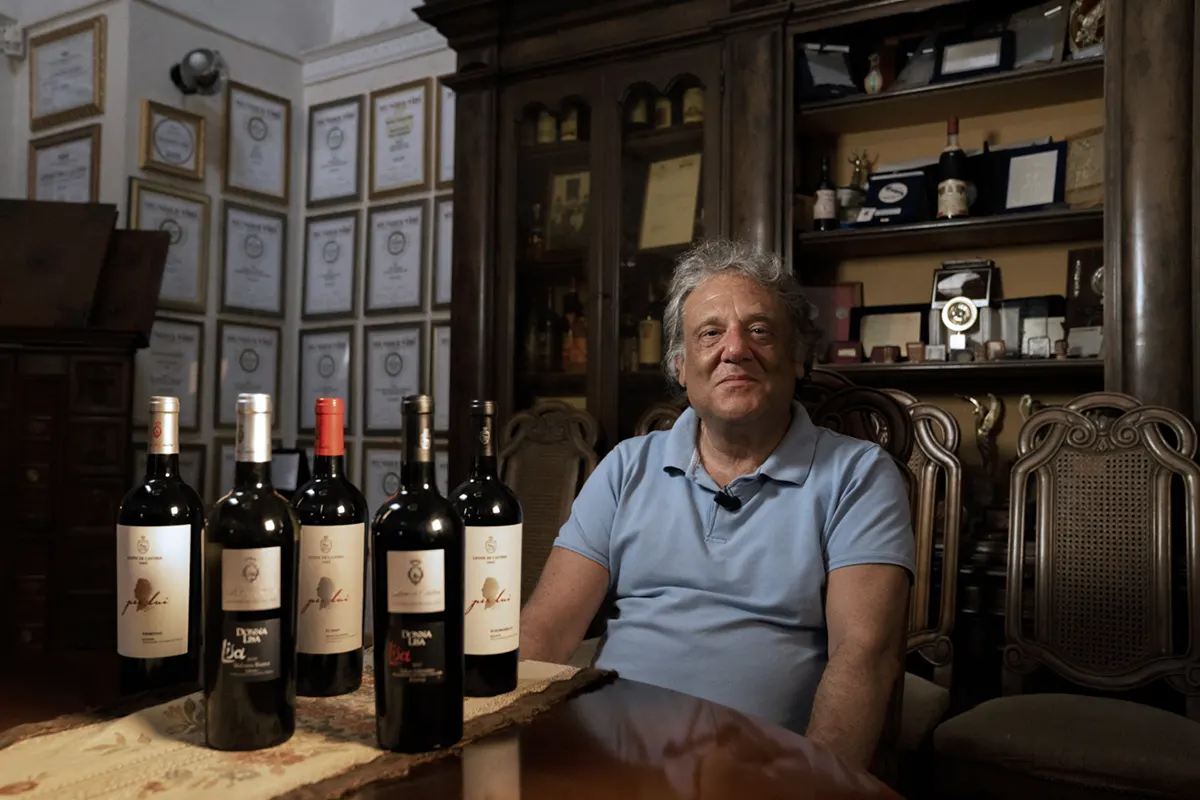
Leone de Castris remains family owned and family led, with Piernicola Leone de Castris representing the current generation at the helm, continuing a lineage that has guided the estate for more than three centuries. Under his direction, the winery combines inherited knowledge of its historic vineyards with a forward-looking approach to quality and precision. The wines’ technical and stylistic development is supported by Riccardo Cotarella, Italy’s most renowned consulting oenologist and President of Assoenologi. Together with an experienced in-house technical team, this structure ensures continuity of identity while allowing the wines to evolve with changing vintages, terroirs and modern viticultural practices.

Beyond the Vine

Leone de Castris operates one of the very few on-site wine museums in southern Italy, the Piero e Salvatore Leone de Castris Wine Museum. The public museum preserves centuries of family and regional wine history, including original tools, archival documents, and some of the earliest bottled wines produced by the estate, offering rare insight into the evolution of viticulture in Salento. Alongside this cultural focus, the winery is also known for its early and continued commitment to indigenous Apulian varieties—such as Susumaniello, Ottavianello and Aleatico—grapes once at risk of disappearing and now cultivated across dedicated estate vineyards.

To find out more about our Leone de Castris product range please…