Terroir Summary
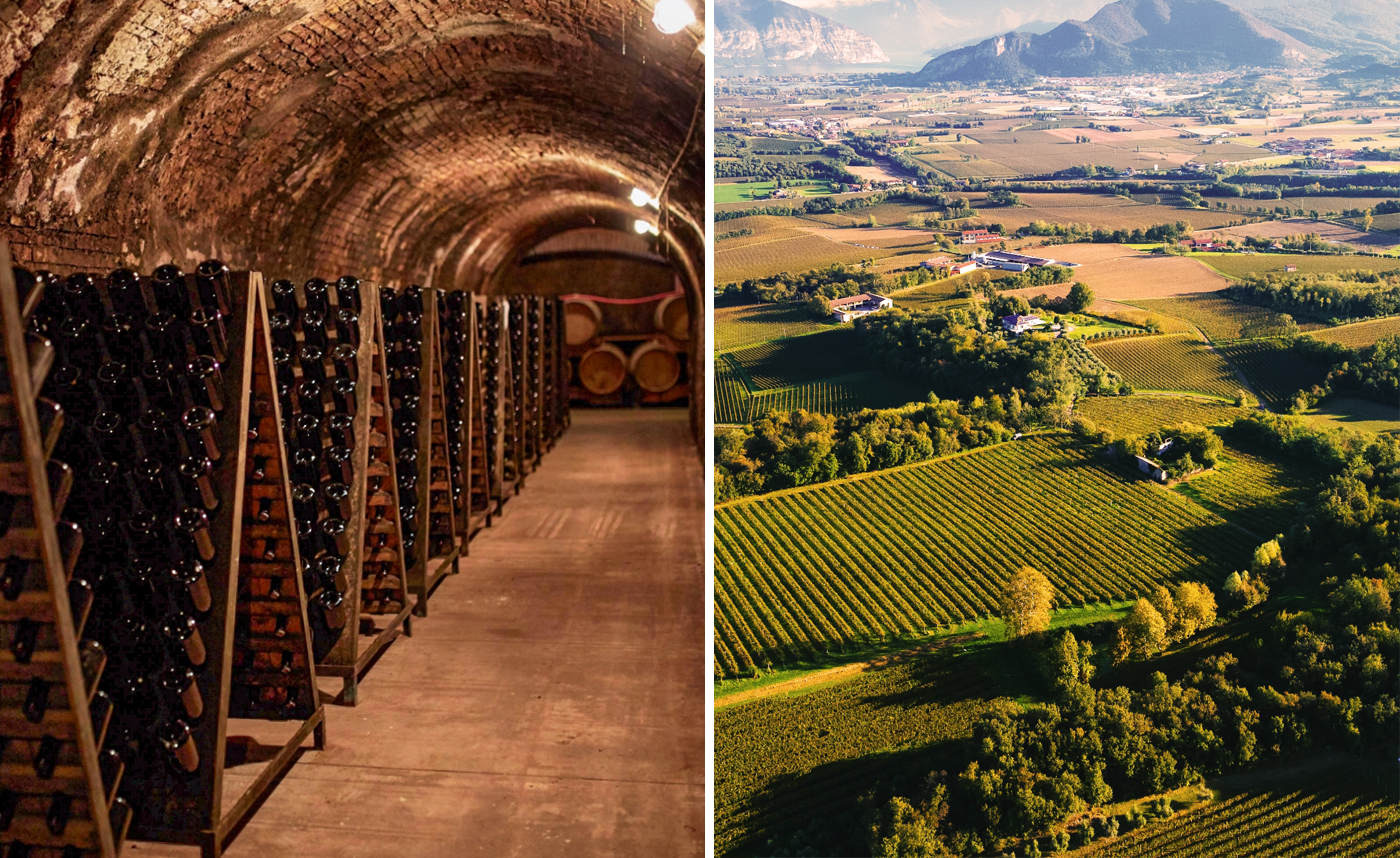
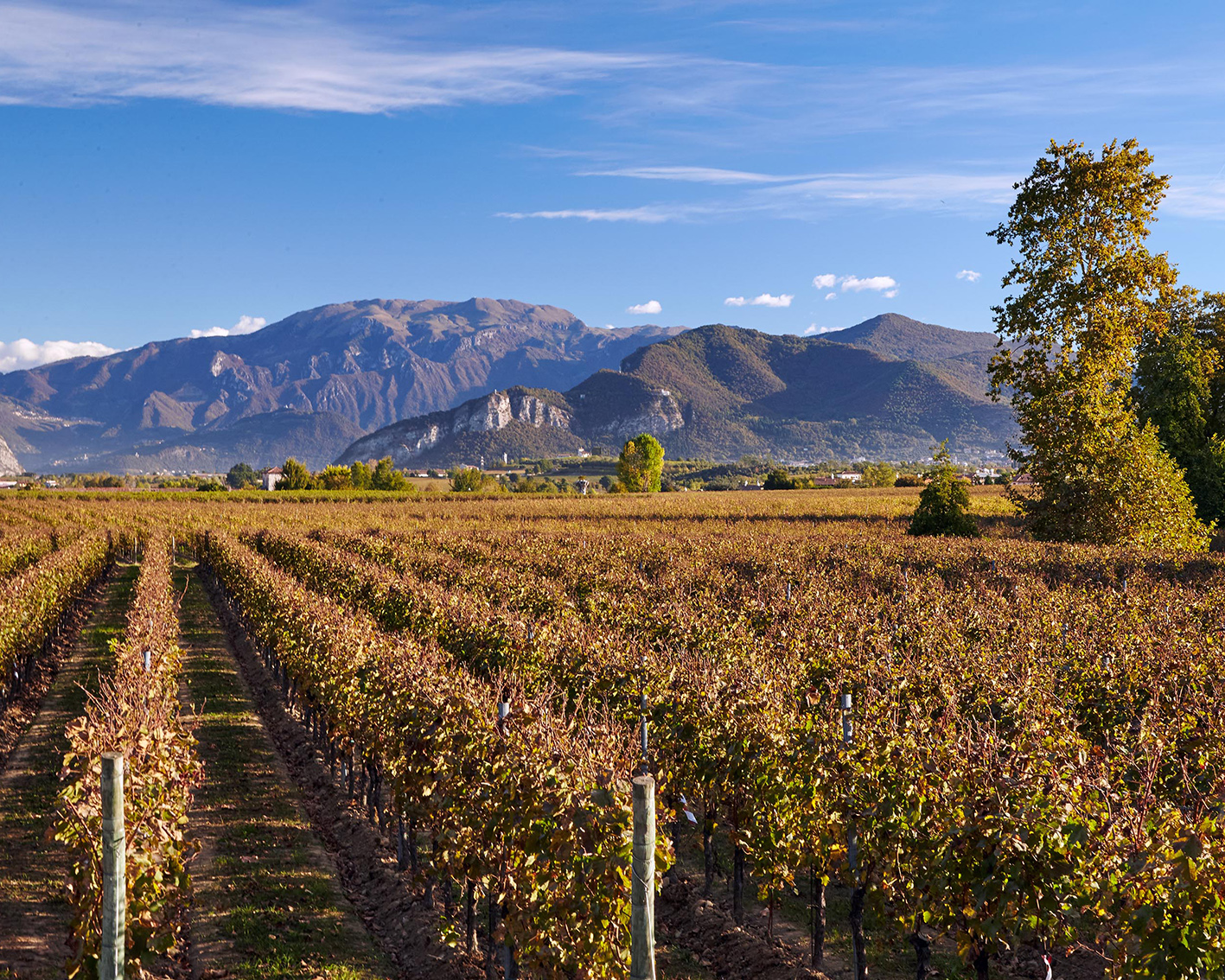
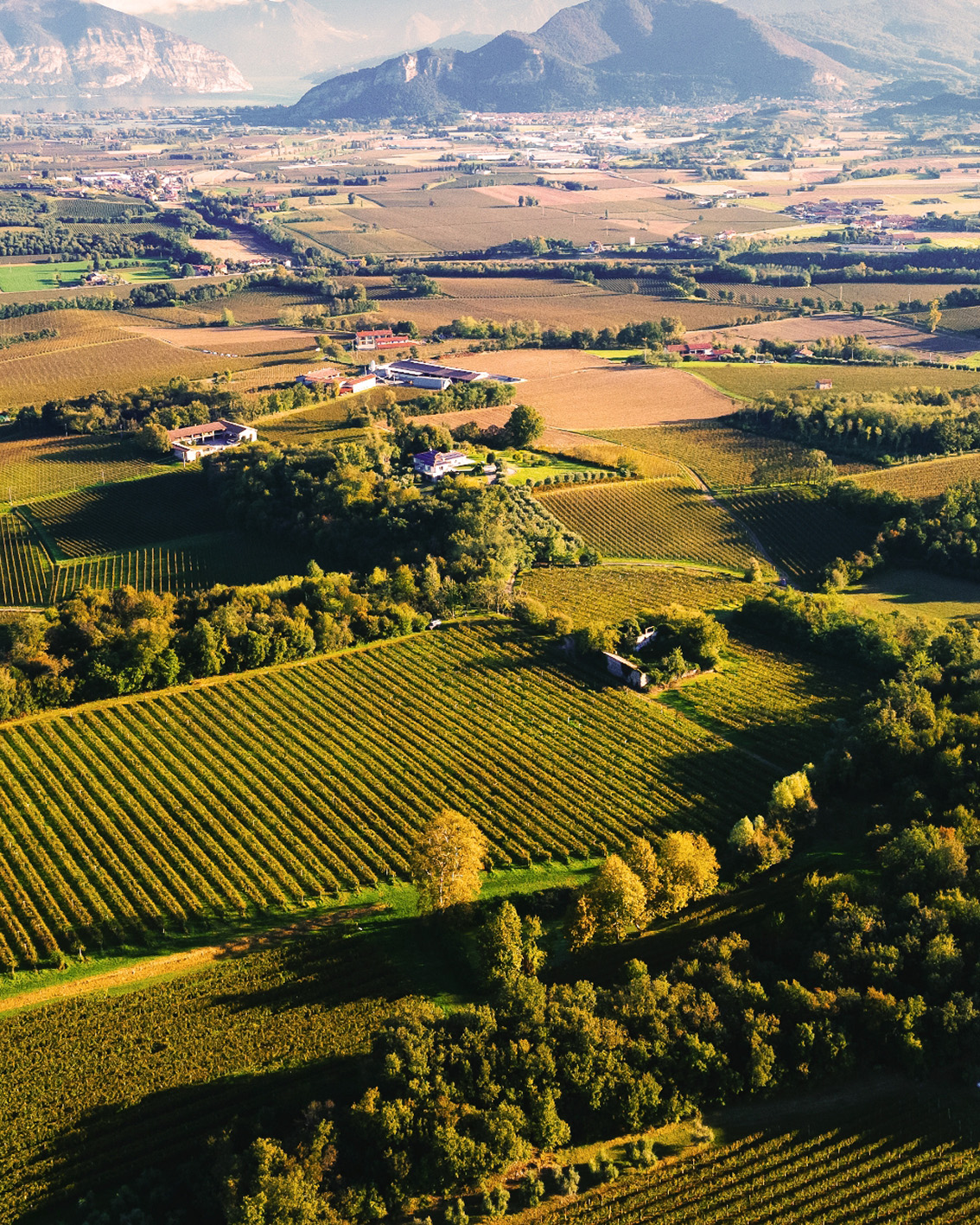
Located in Franciacorta, Lombardy’s premier sparkling wine region, Contadi Castaldi sources fruit from vineyards spread across the denomination’s diverse geological zones. The area’s glacial origins created a mosaic of soils including limestone, marl, sandstone and mineral-rich sediments. Lake Iseo moderates temperatures and reduces climatic extremes, supporting slow and even ripening Rather than relying on a single estate vineyard, Contadi Castaldi embraces the diversity of Franciacorta through an extensive patchwork of vineyard sources spread throughout the appellation. This approach allows the winery to capture the nuances of different soils, exposures and microclimates, creating a wide palette of base wines that contribute complexity and balance to its cuvées.
Heritage
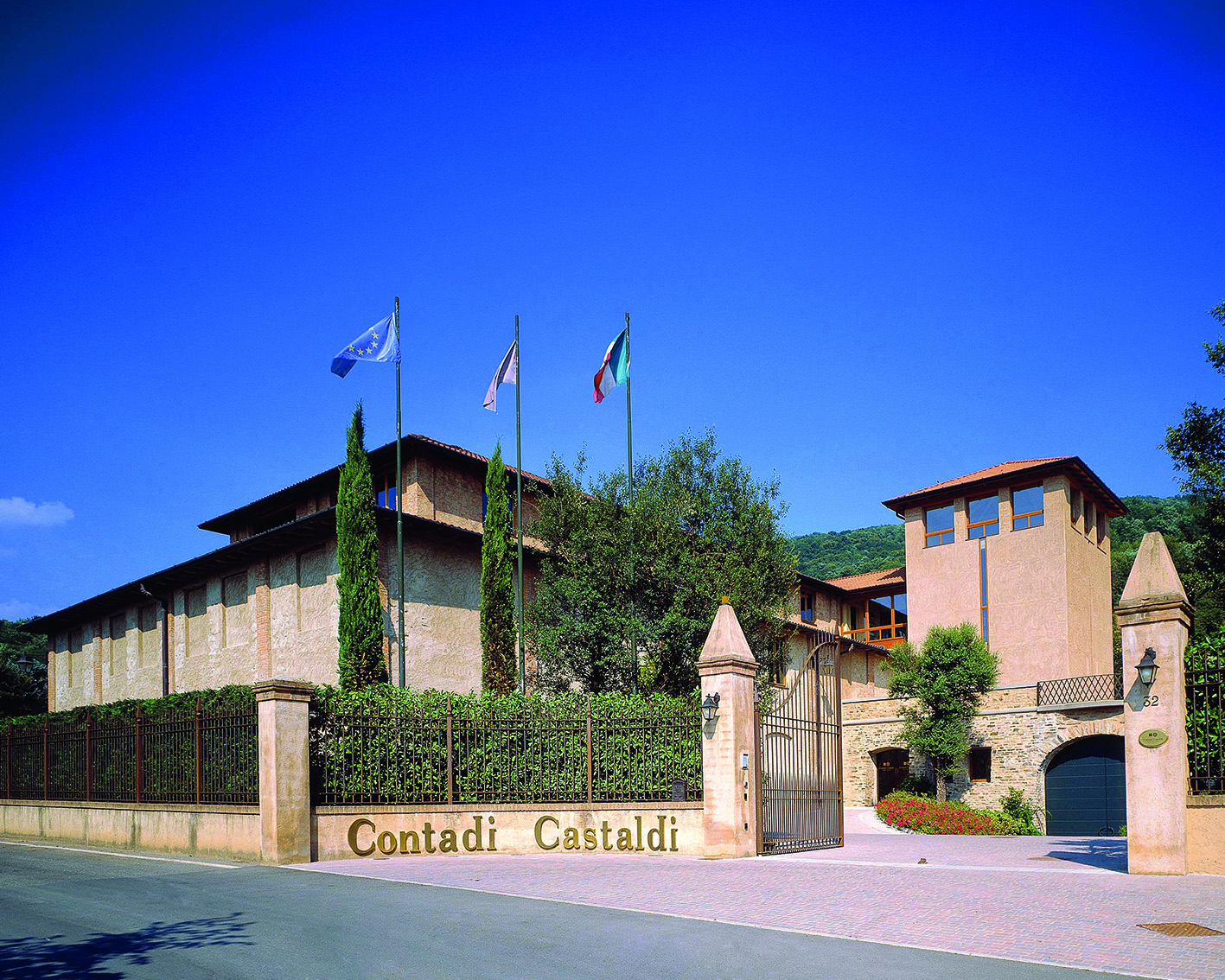
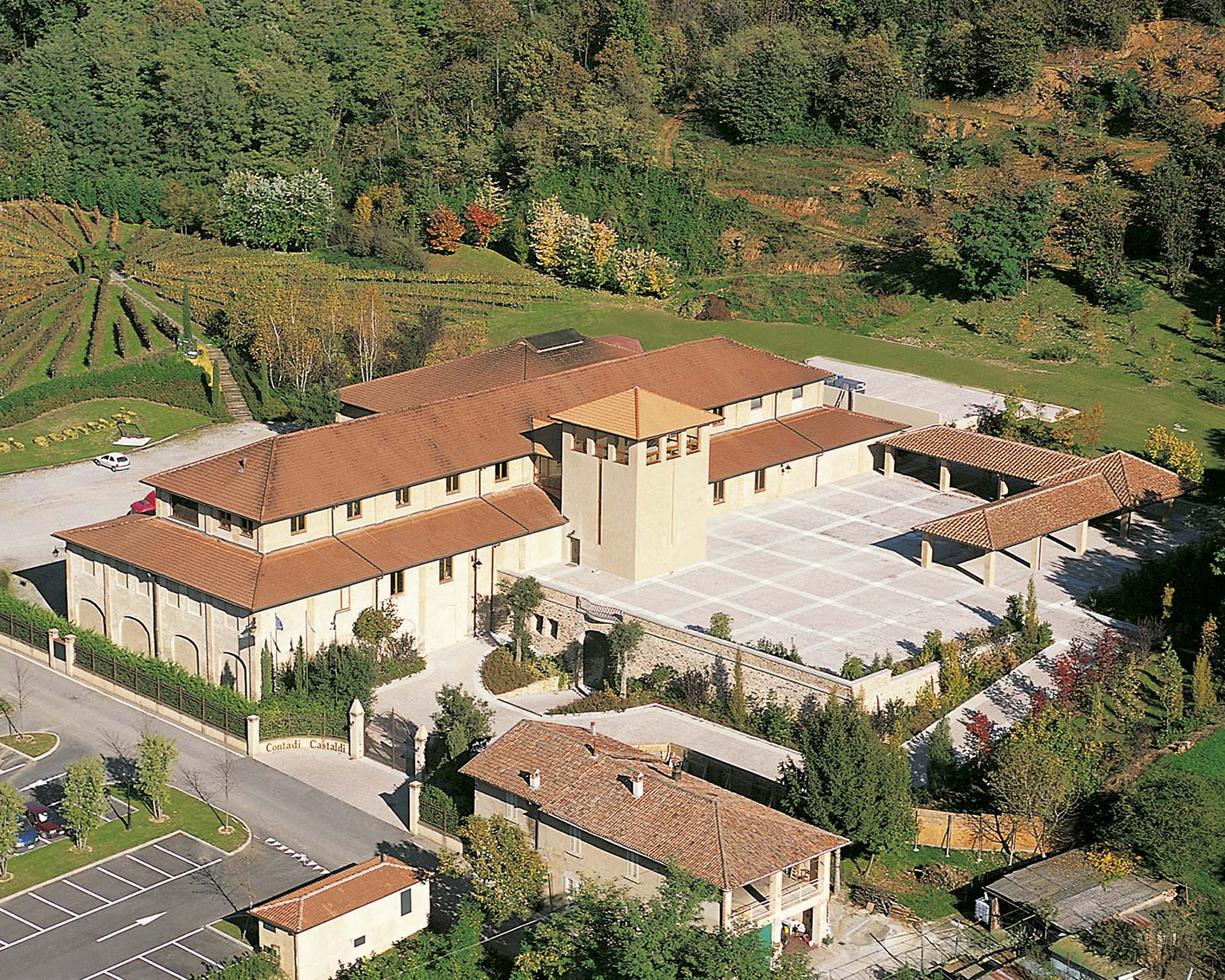
Contadi Castaldi was founded in 1987 when Vittorio Moretti acquired and transformed the historic Fornace Biasca brickworks in Adro into a winery dedicated exclusively to Franciacorta. The site held personal significance for the family; it had once belonged to the godmother of Moretti’s wife, Mariella, who spent much of her childhood there. What began as the restoration of a disused industrial landmark soon became one of the most ambitious sparkling wine projects in the region. From its earliest years, Contadi Castaldi took a notably innovative approach, investing heavily in vineyard zoning, blending research and modern sparkling winemaking techniques. This willingness to challenge convention helped establish the winery as one of the key contributors to Franciacorta’s evolution from a local curiosity into an internationally recognised sparkling wine region.
Philosophy
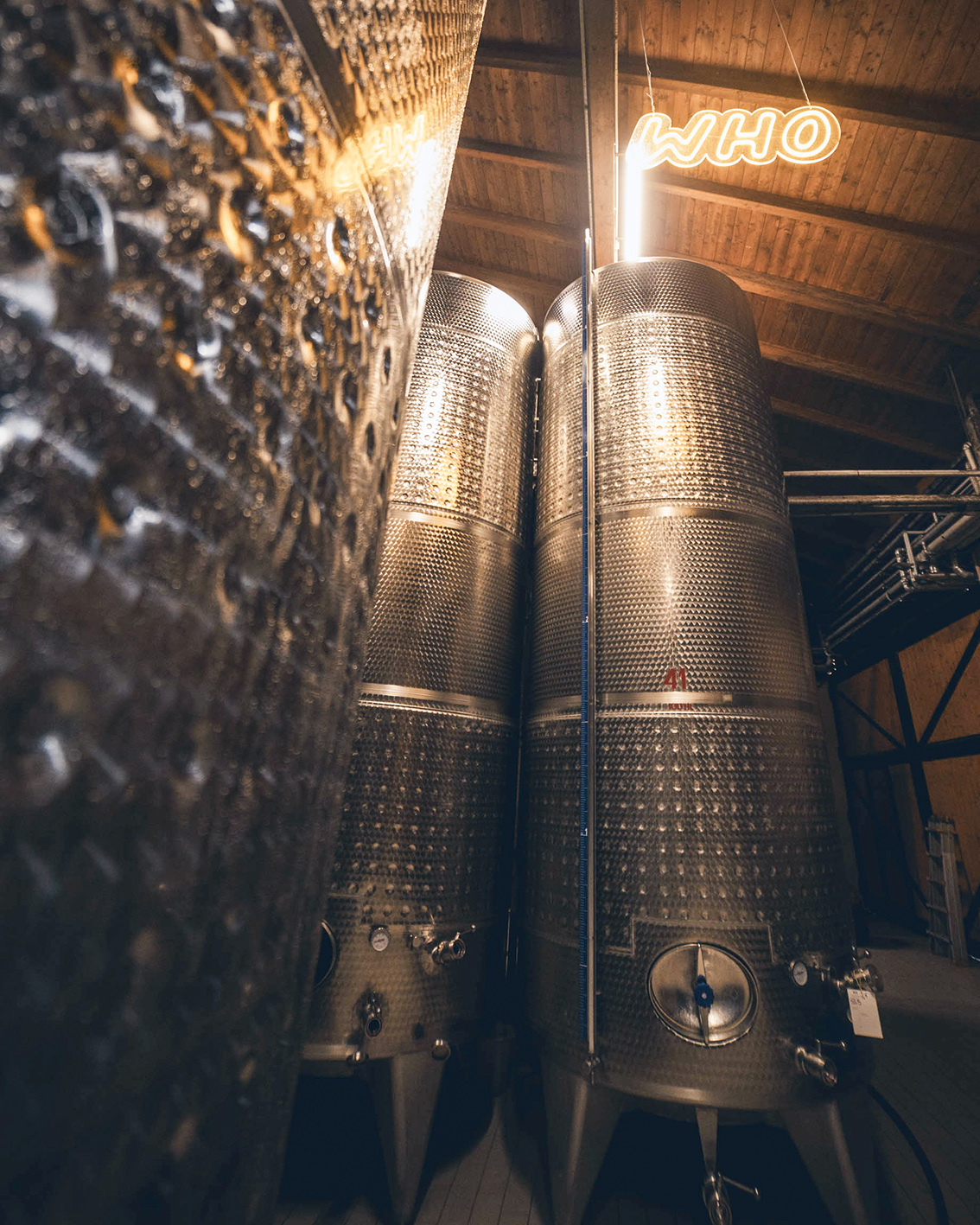
Contadi Castaldi was founded on the belief that Franciacorta should be both serious and approachable. Rather than focusing on single-vineyard prestige, the winery’s philosophy centres on assembling the most complete expression of the region through the art of the cuvée. Extensive vineyard mapping, careful fruit selection and a deep understanding of Franciacorta’s varied terroirs allow the winemaking team to build wines of consistency, complexity and balance. In the cellar, traditional bottle fermentation is paired with a contemporary, precision-led approach. Long lees ageing enhances texture and complexity, while meticulous blending allows individual vineyard characters to contribute to a cohesive house style. Innovation remains central to the winery’s identity, but always in service of freshness, drinkability and terroir expression.
People
Contadi Castaldi was conceived by Vittorio Moretti, one of the most influential figures in the modern development of Franciacorta and founder of the wider Terra Moretti wine group. His vision transformed a disused industrial site into one of the region’s most recognisable sparkling wine producers and helped shape a more contemporary image for Franciacorta. Viticulture and winemaking are overseen by Gian Luca Uccelli, who serves as both agronomist and enologist. Working across a diverse network of vineyard sites, Uccelli’s role centres on understanding the nuances of Franciacorta’s many terroirs and translating them into balanced, expressive cuvées. Supporting them is a network of long-term grower partners throughout the appellation.
Beyond the Vine
The winery’s name draws directly from the history of Franciacorta. During the Middle Ages, the contadi were agricultural districts renowned for the quality of their produce, while the castaldi were the stewards entrusted with overseeing them.
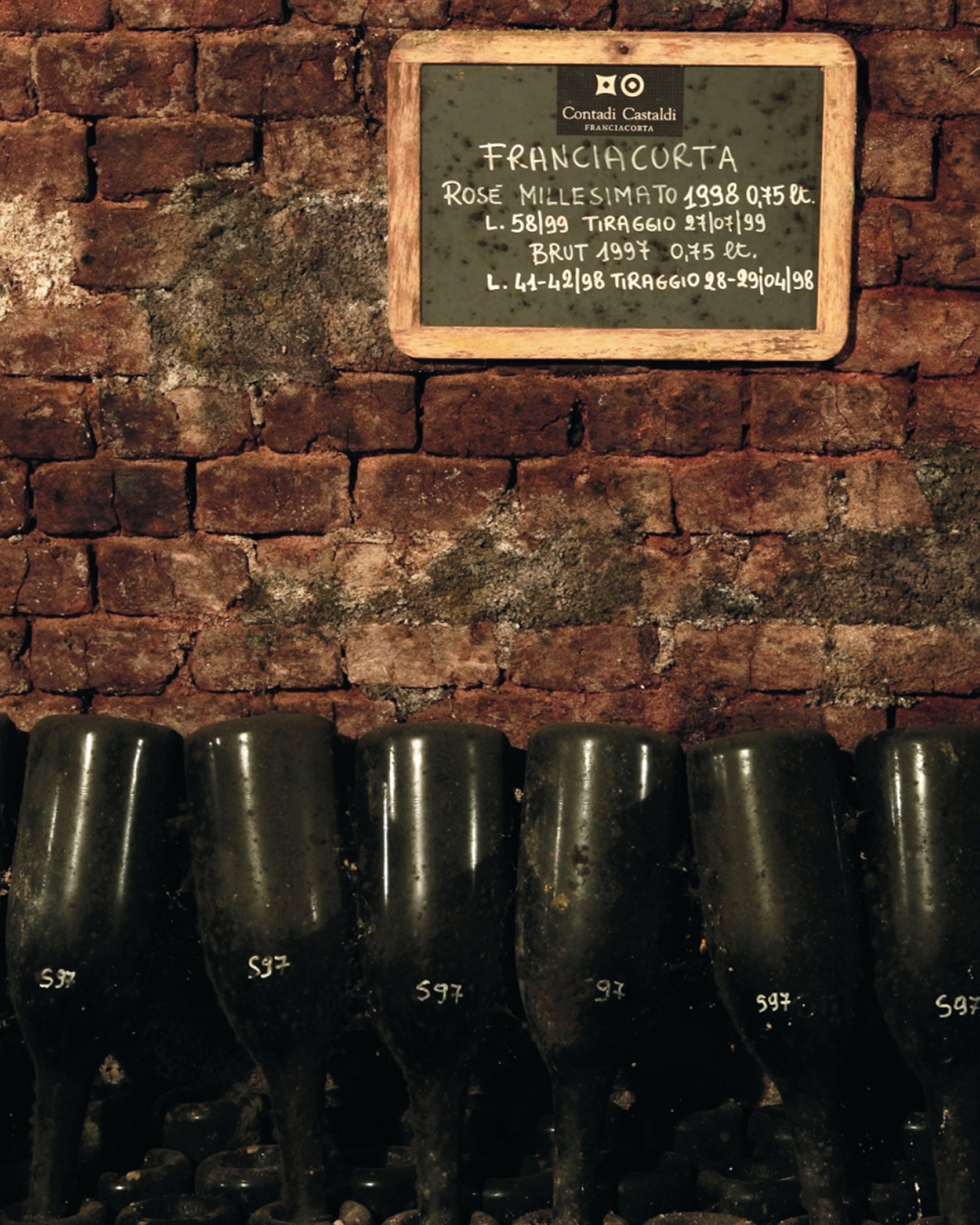
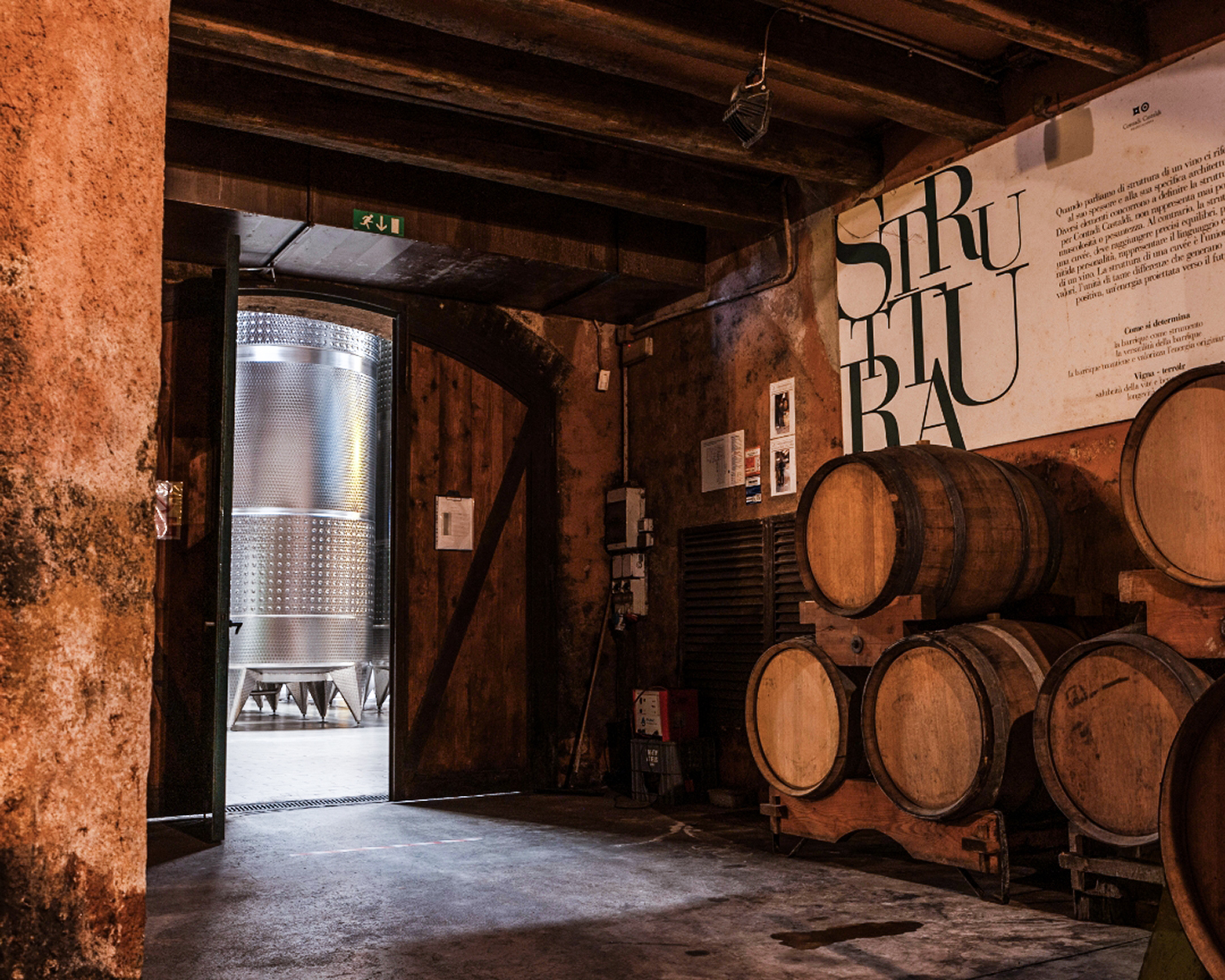
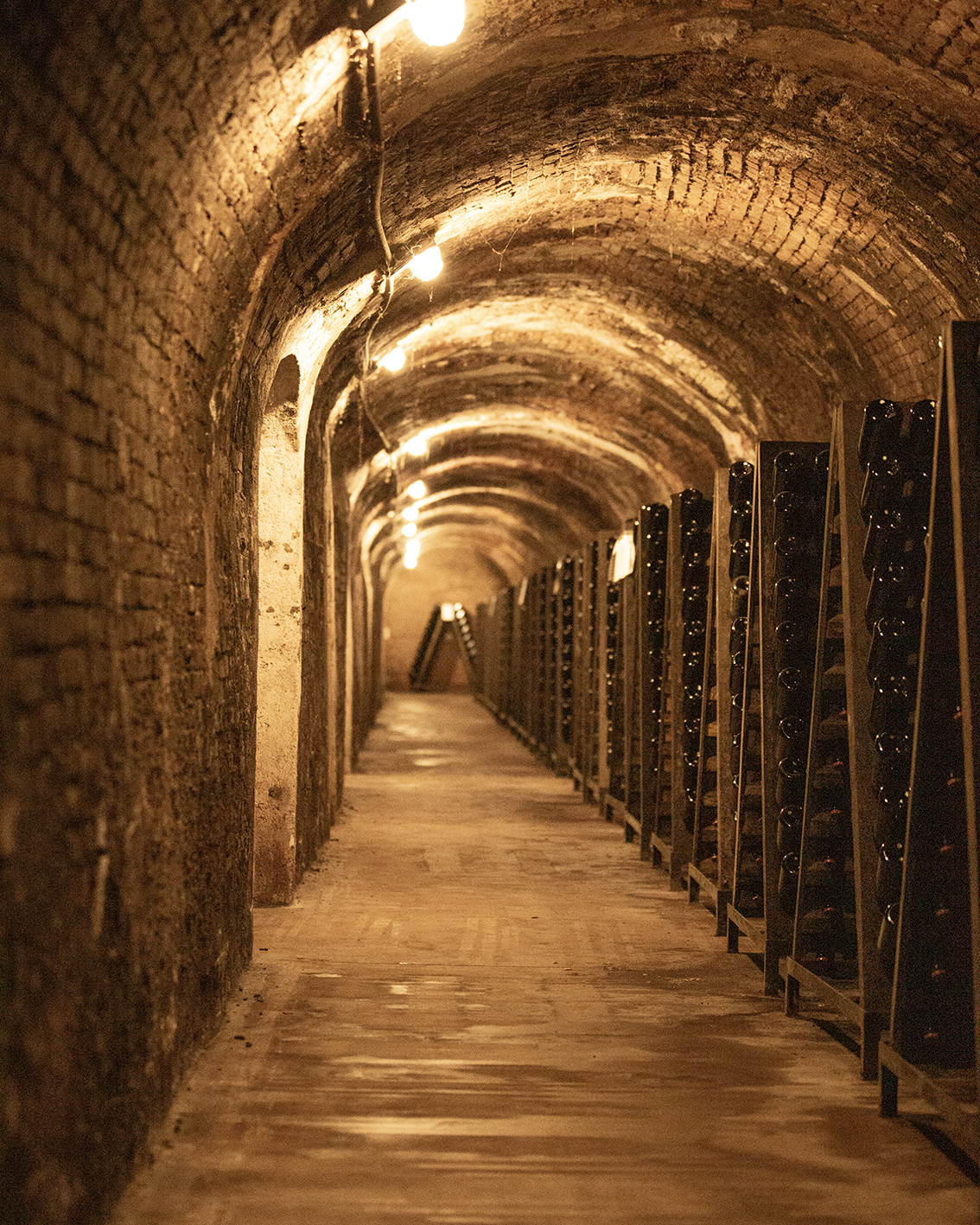
Perhaps no feature better captures the spirit of Contadi Castaldi than the winery itself. The former Fornace Biasca brickworks, originally constructed in 1880, has been carefully restored rather than replaced, preserving its industrial heritage while giving it a new purpose. Today, its arched tunnels and thick brick walls provide naturally stable conditions for the ageing of Franciacorta. More than a production facility, the winery has become a cultural landmark within Franciacorta, hosting visitors, events and collaborations that connect wine with design, gastronomy and Italian craftsmanship.