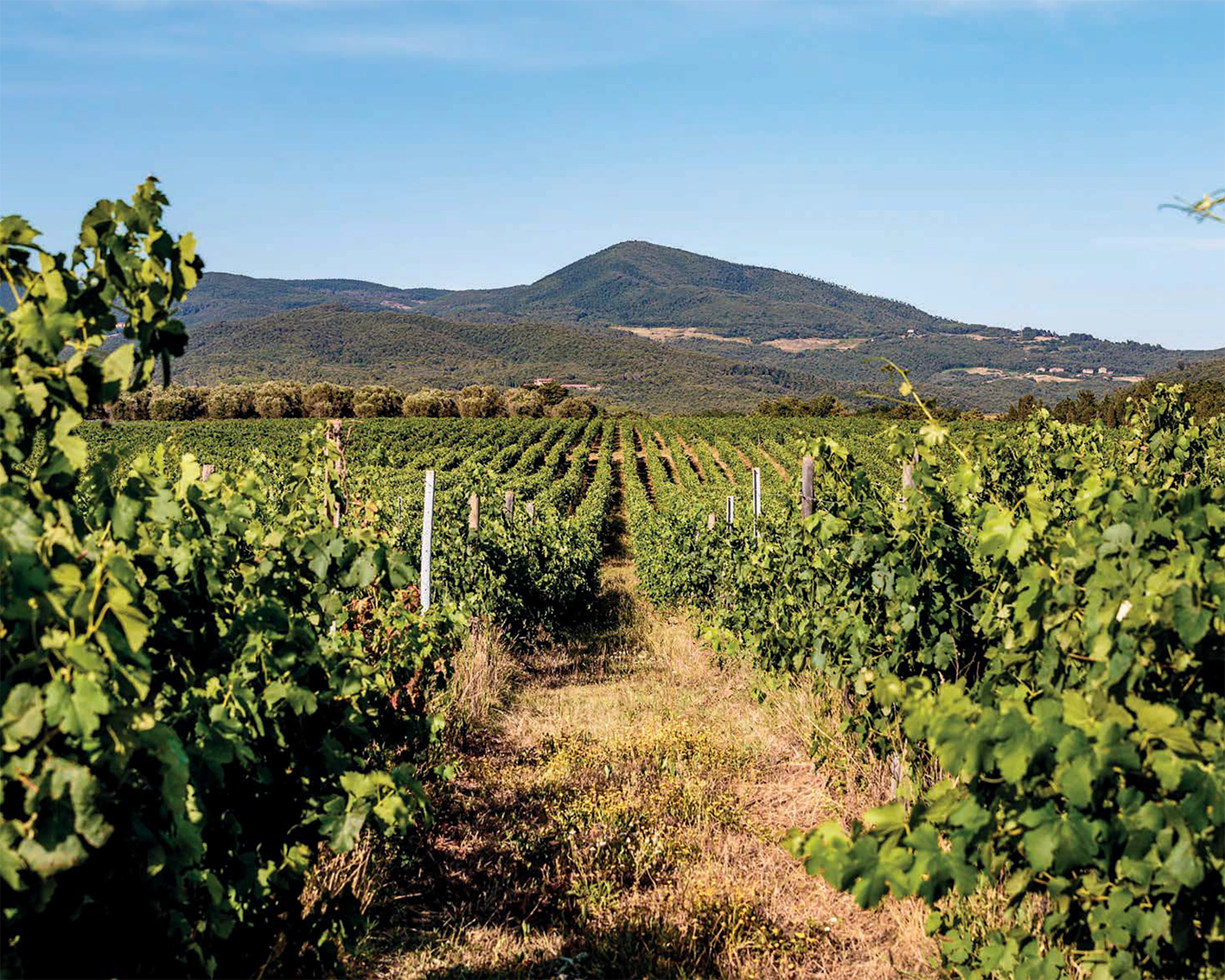
Terroir Summary:
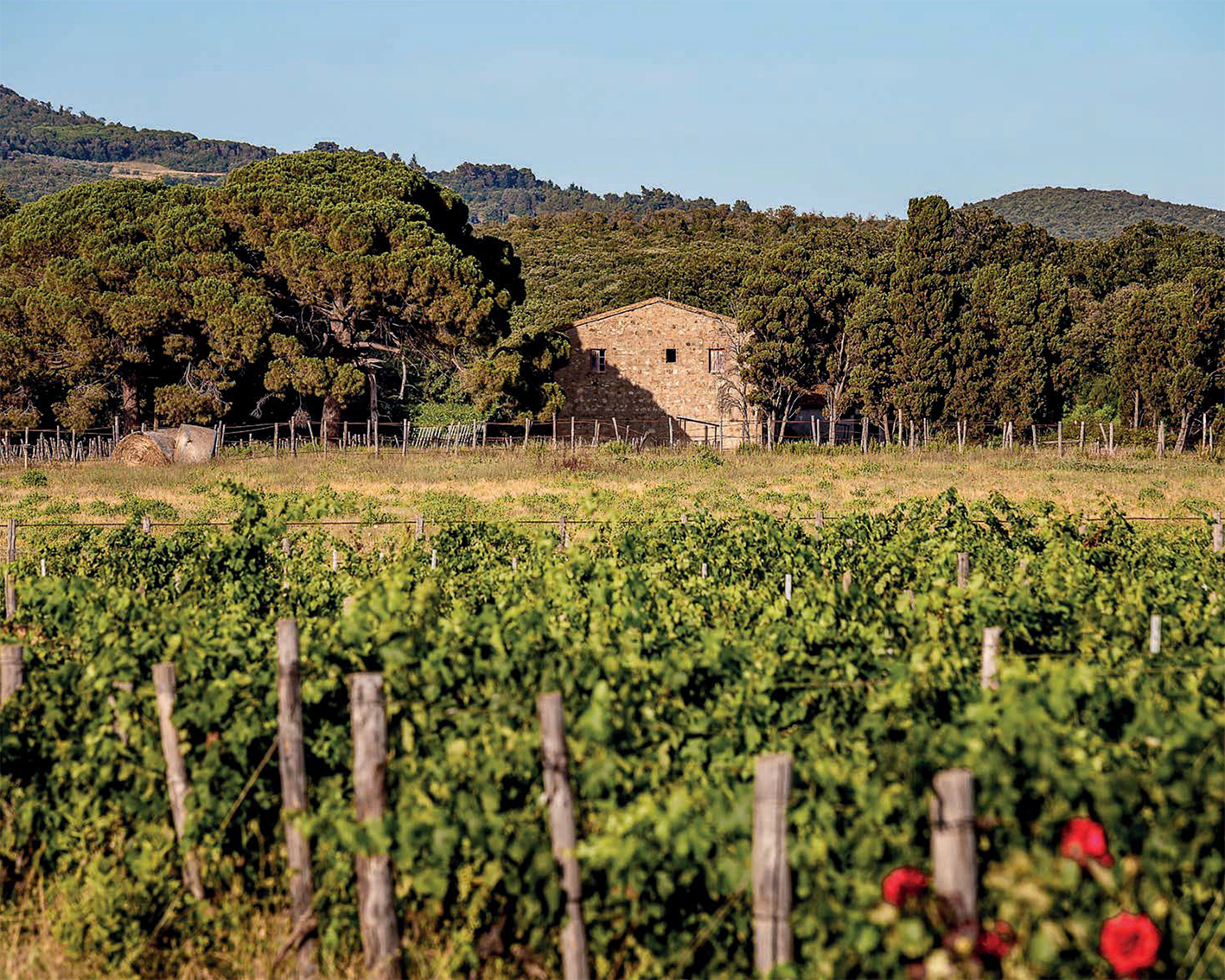
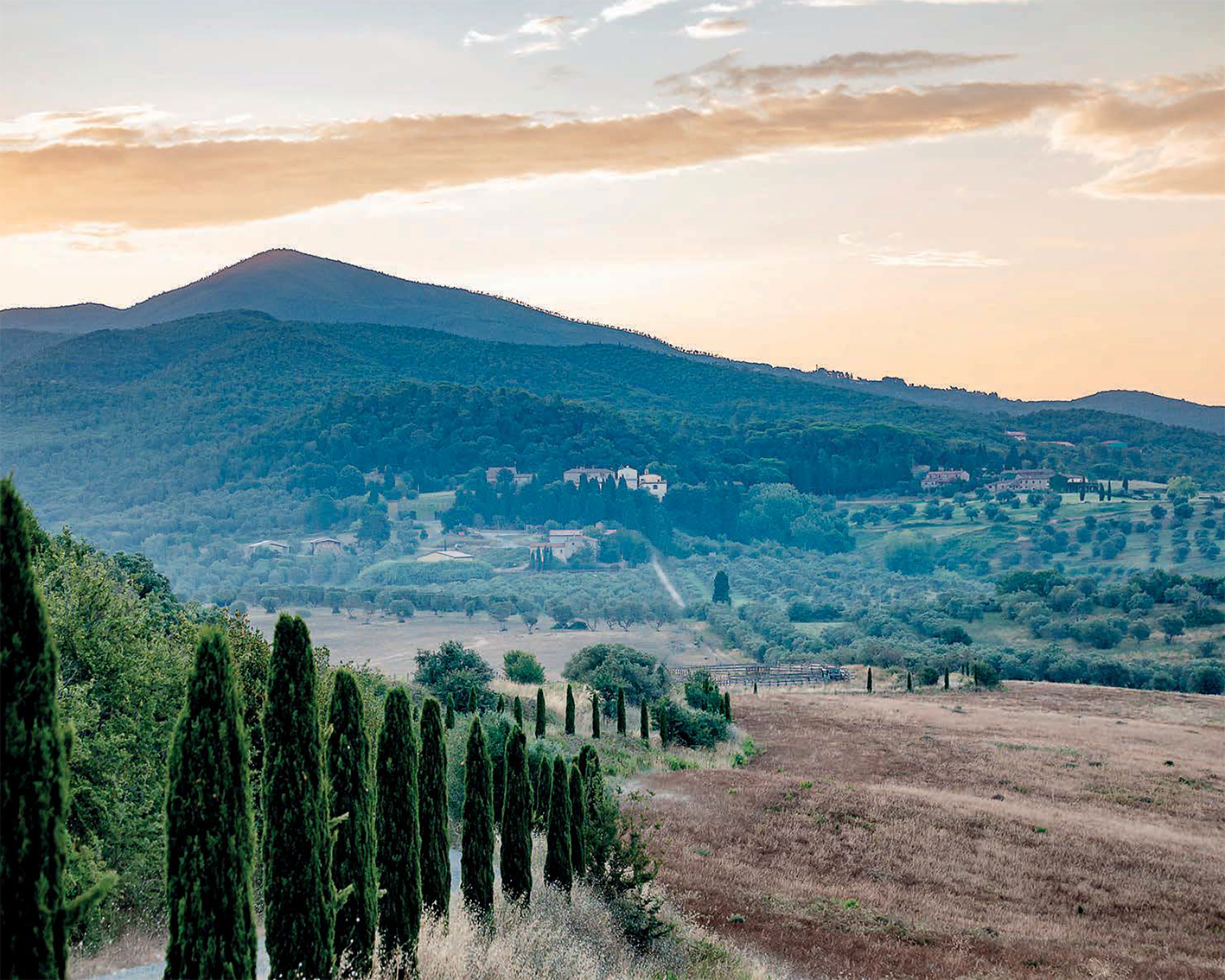
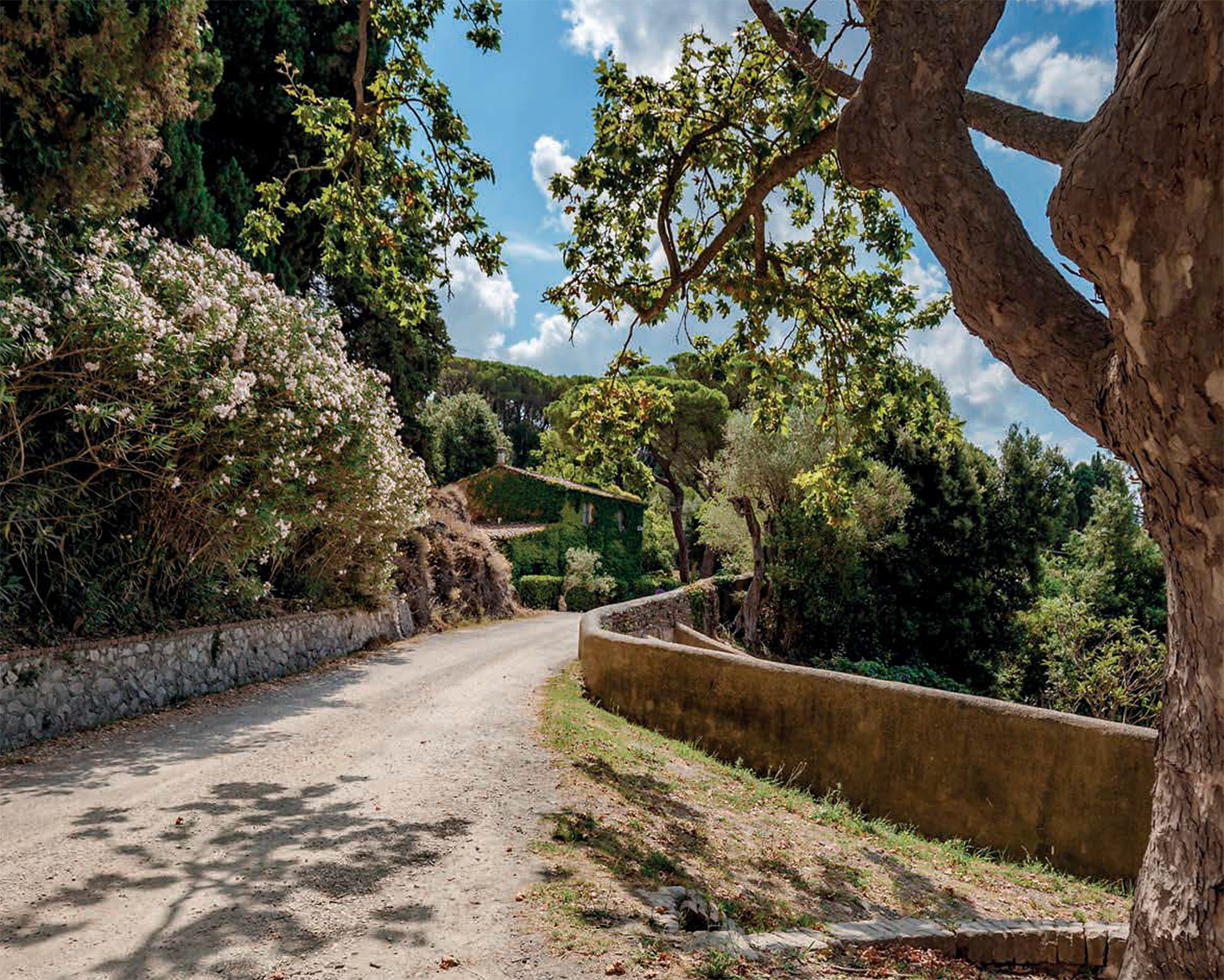
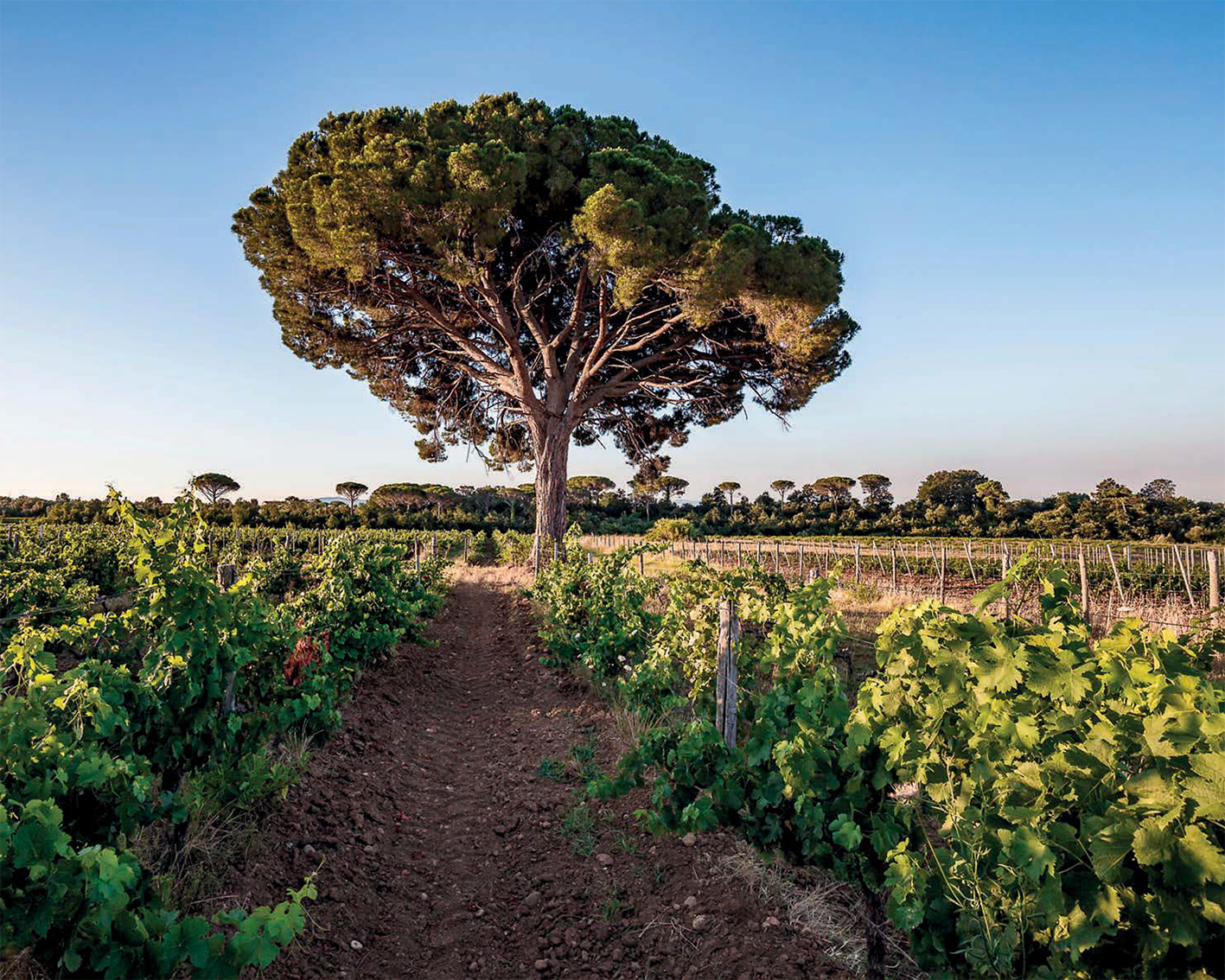
Castello del Terriccio extends along the northern boundary of the Tuscan Maremma, across coastal plains and rolling hills near the Tyrrhenian Sea. Soils are varied but predominantly iron-rich with clay-limestone and calcareous substrates. This mineral complexity, historically linked to Etruscan iron mining, contributes to the distinctive structure and identity of the wines. The Mediterranean climate is strongly influenced by constant sea breezes, which moderate summer temperatures and promote gradual ripening.
Heritage:
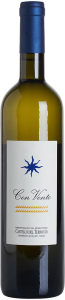
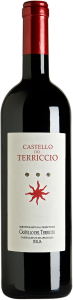
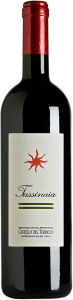
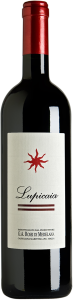
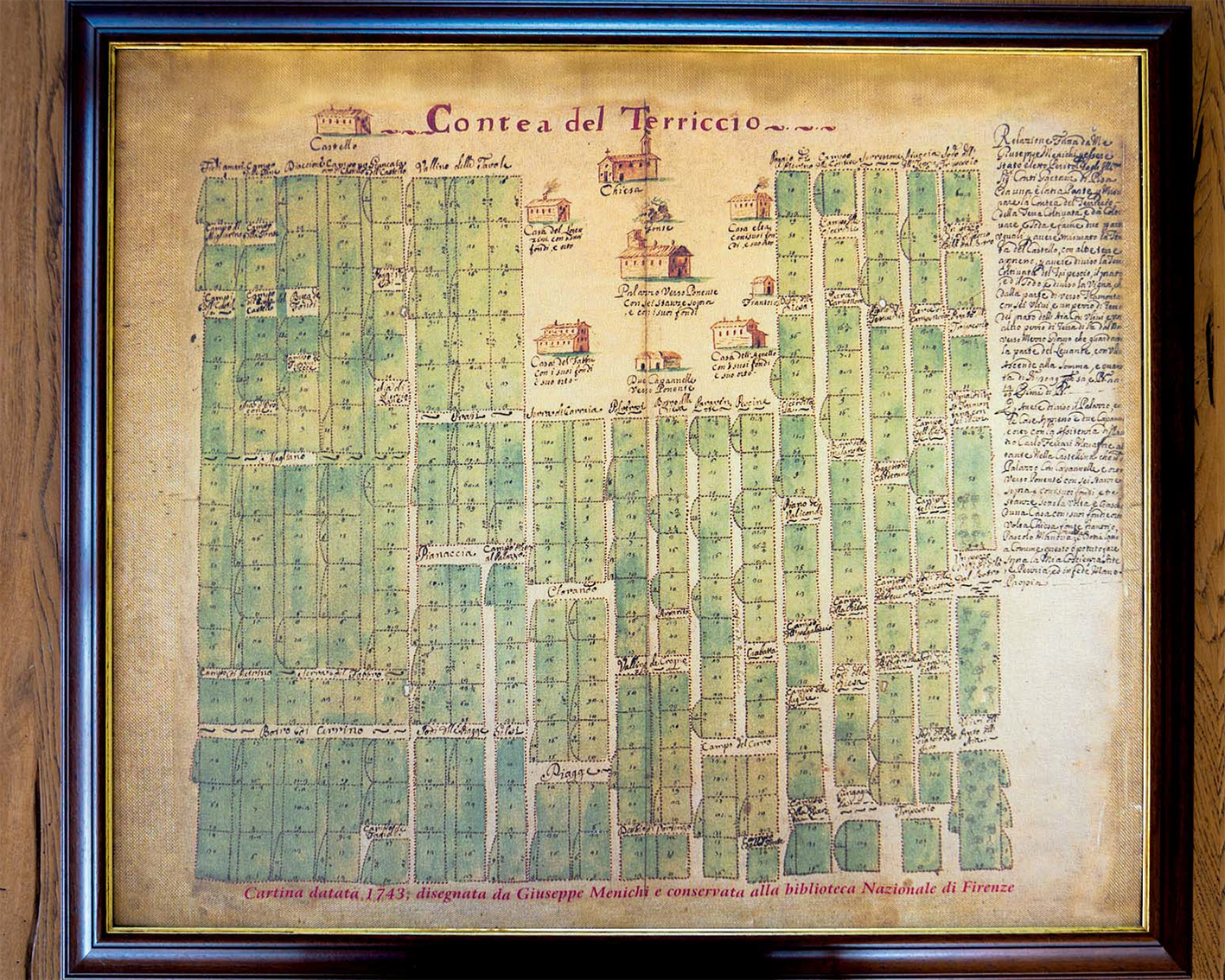
The history of Castello del Terriccio spans more than two millennia, with its origins tracing back to Etruscan civilisation. The estate later developed through medieval times, centred around the Castle of Doglia, before passing between noble families including the Gaetani counts and Poniatowski princes. A pivotal transformation occurred in 1975 under Gian Annibale Rossi di Medelana, whose family had owned the property since the 1920s. He redirected the estate towards high-quality viticulture, a vision leading to the creation of iconic Super Tuscan wines such as the Lupicaia.
Philosophy:
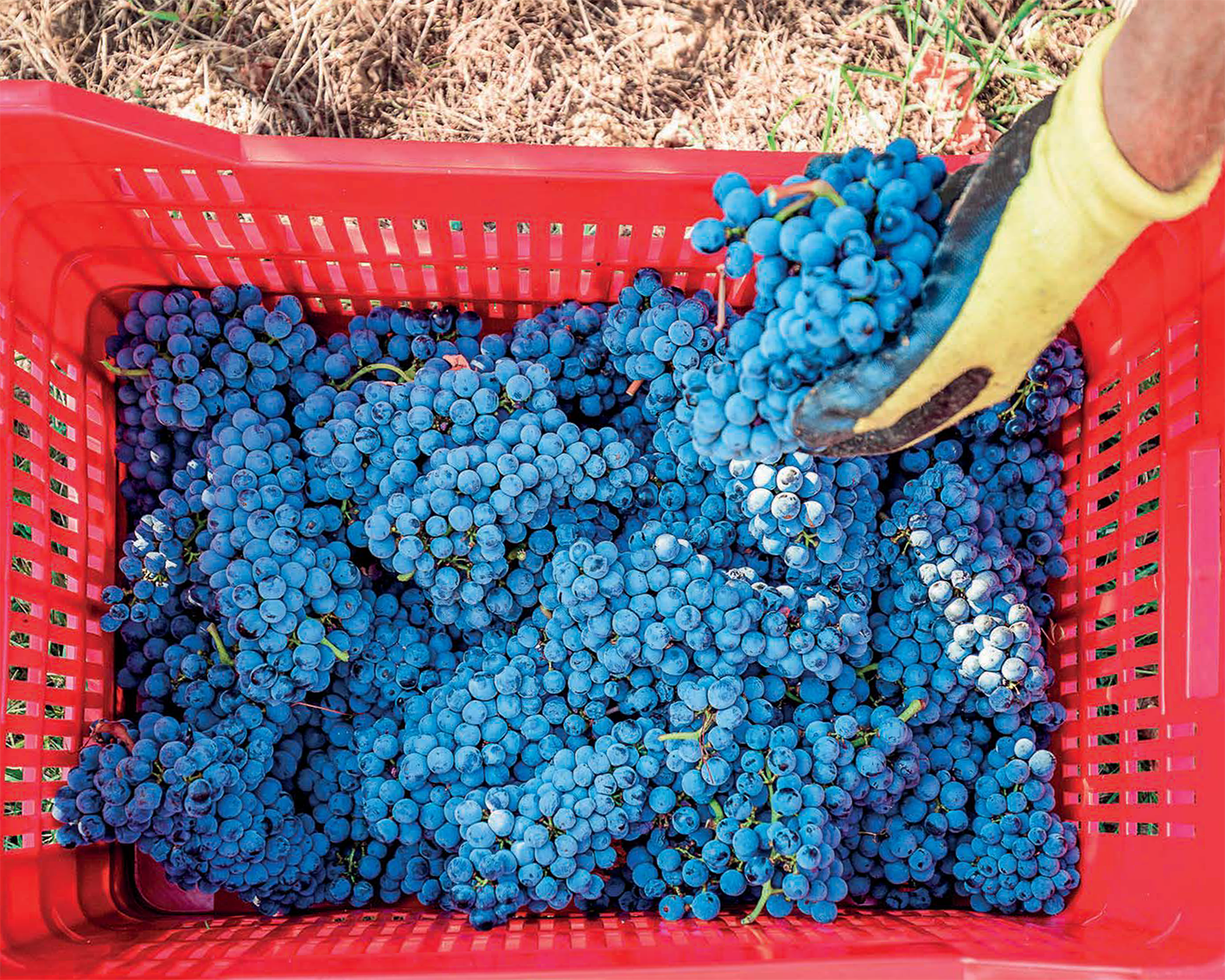
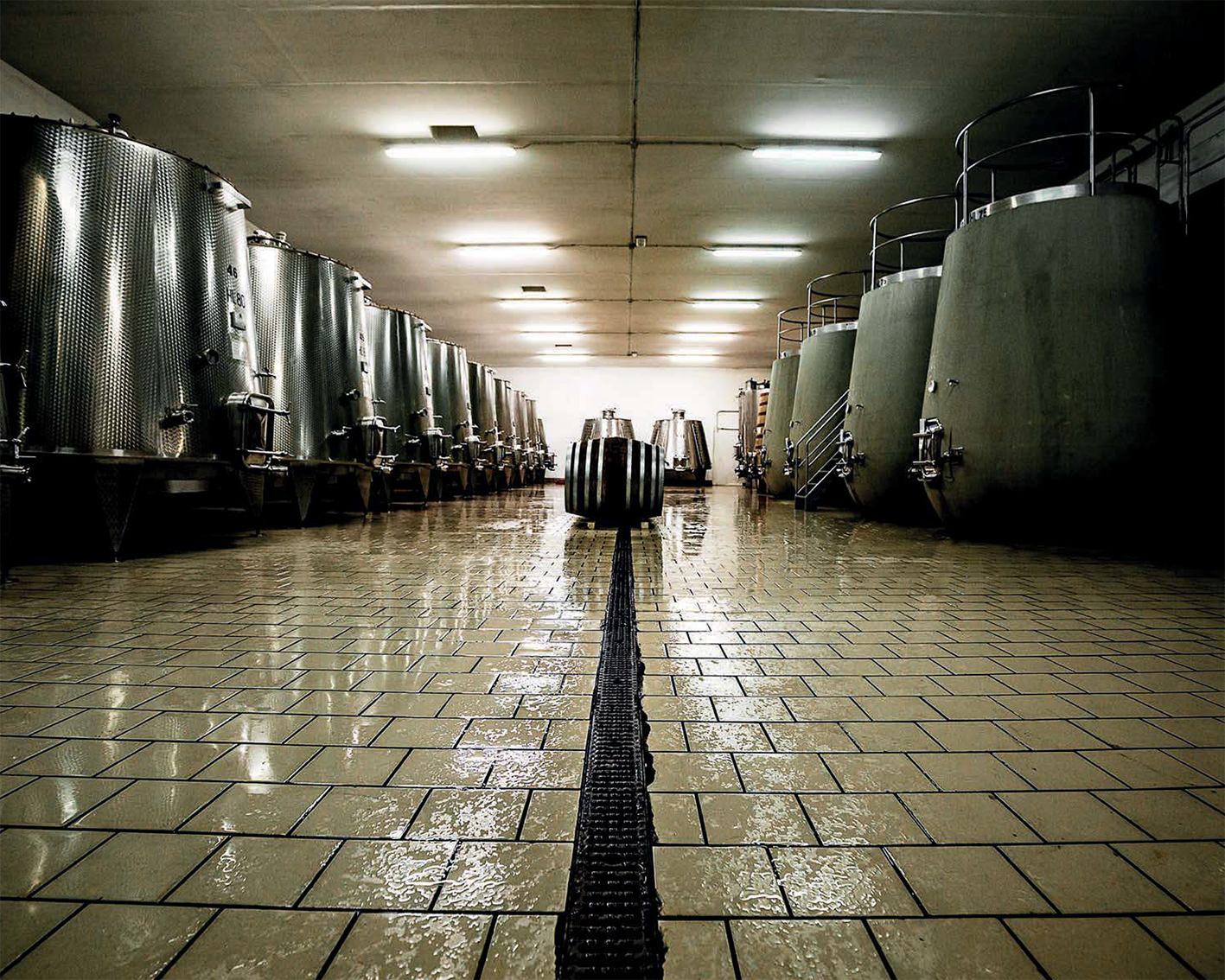
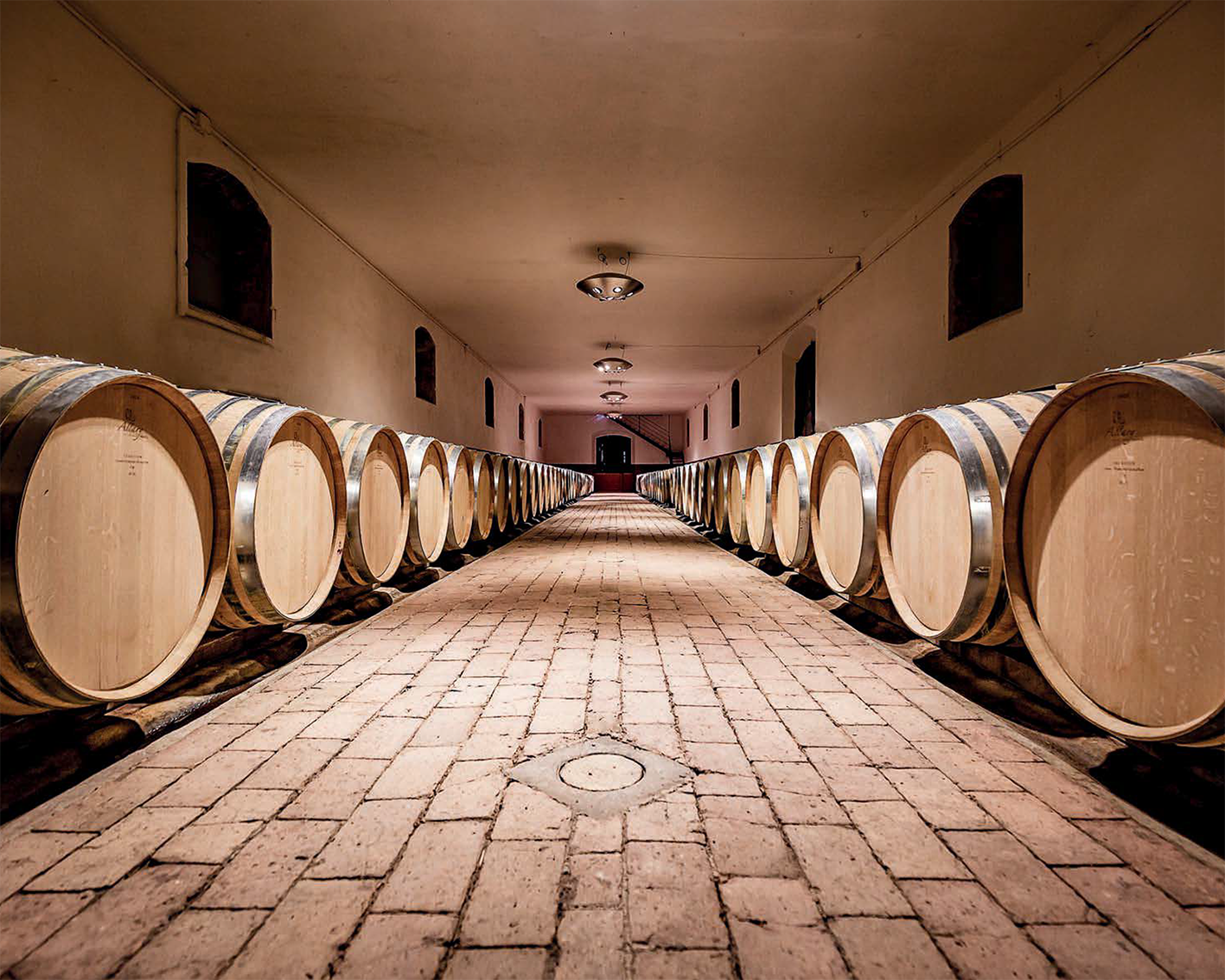
The estate operates as a complete agricultural ecosystem, where biodiversity, soil health and sustainability are fundamental priorities. Viticulture follows a low-intervention approach, with practices including biological pest control, organic fertilisation from estate livestock, mechanical weed management and cover cropping to preserve soil vitality. Irrigation is avoided wherever possible to maintain natural vine balance. Advanced technologies support precision agriculture, including microclimate monitoring systems and predictive modelling to optimise vineyard management. Ongoing research into climate adaptation includes the study of drought-resistant rootstocks and appropriate varietal selection. In the cellar, winemaking is deliberately restrained. Individual vineyard parcels are vinified separately to preserve site expression, with carefully calibrated oak ageing and final blends assembled only at the end of maturation. The objective is to produce wines of clarity, structure and longevity that authentically reflect the Tuscan coastal terroir.
People:
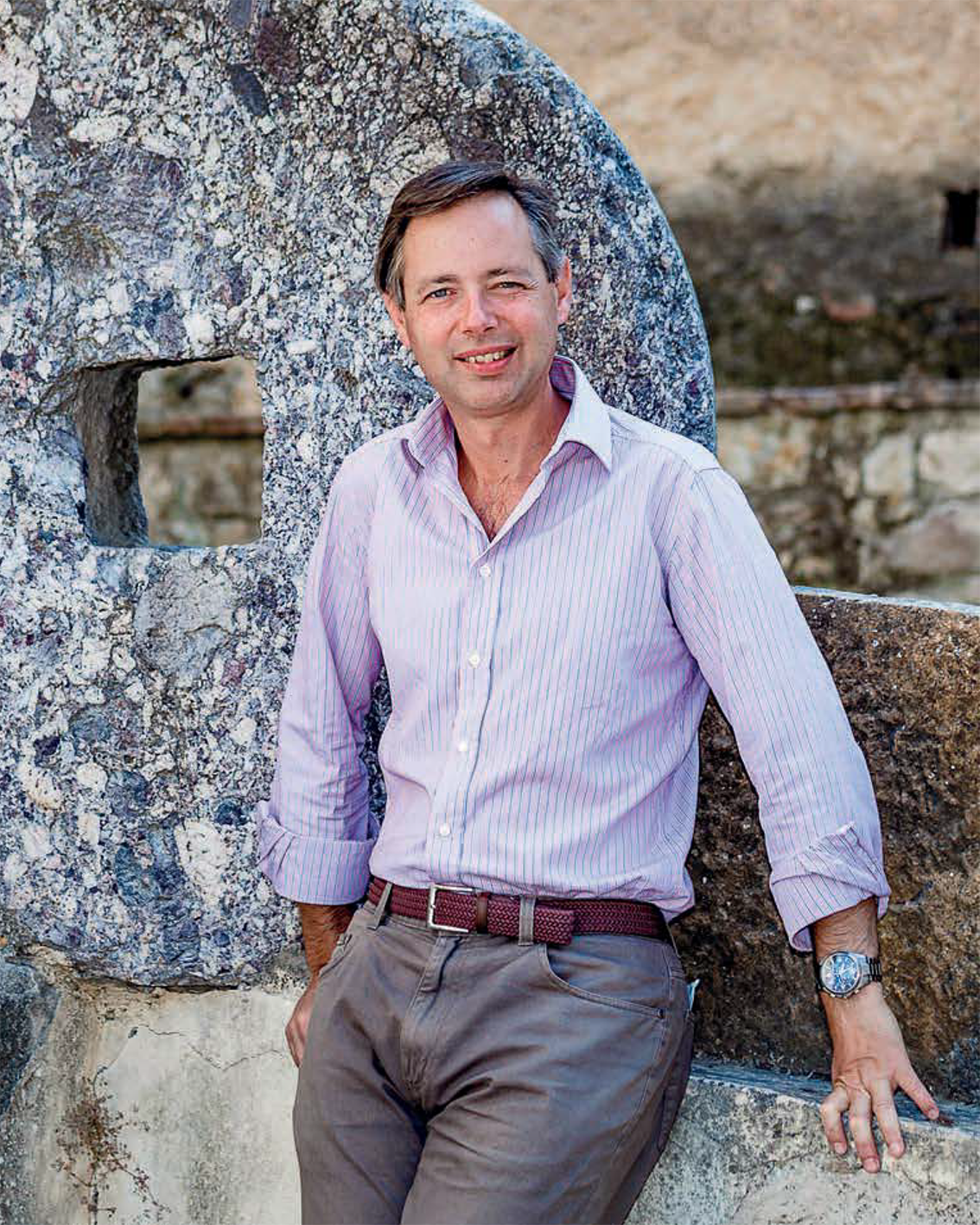
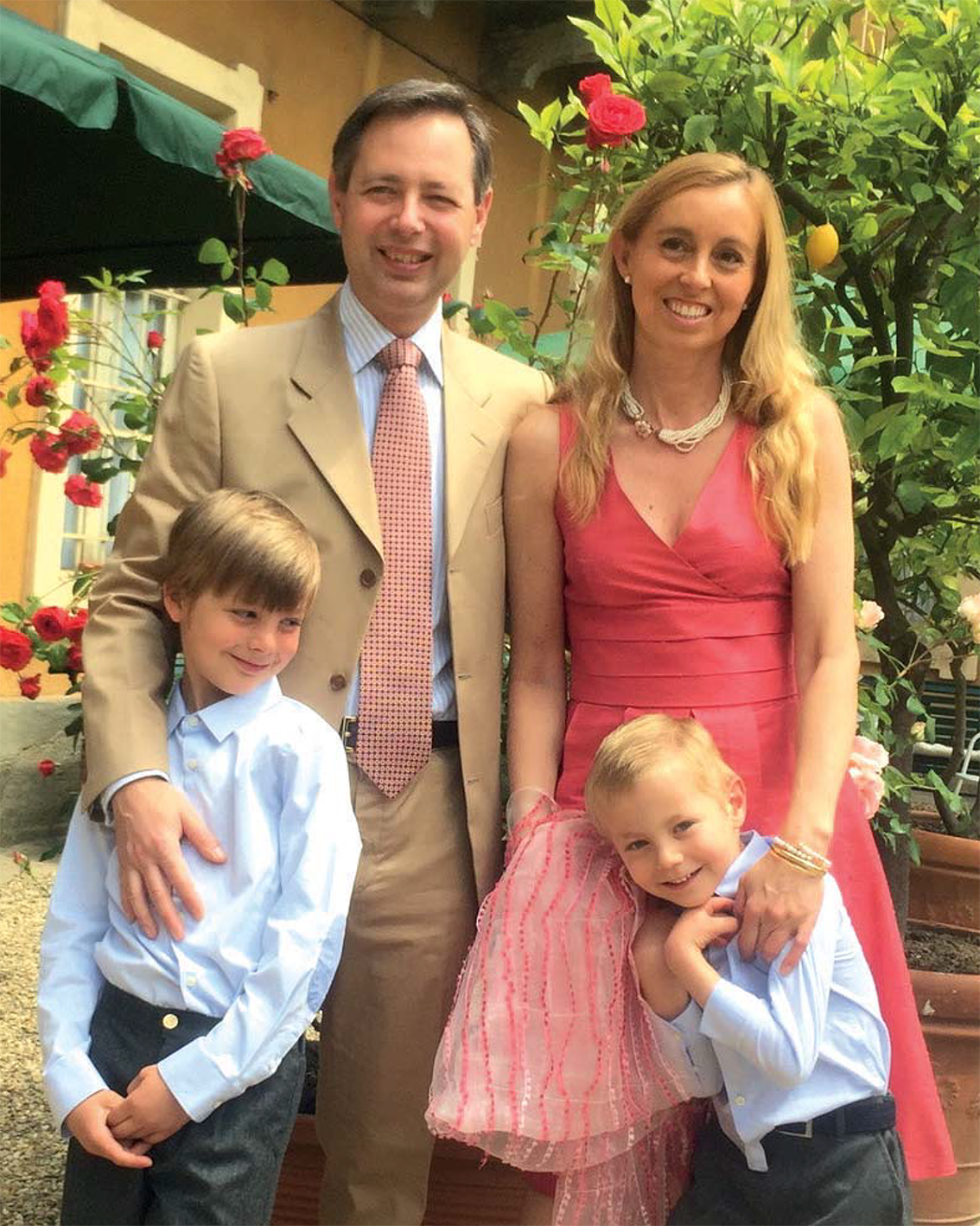
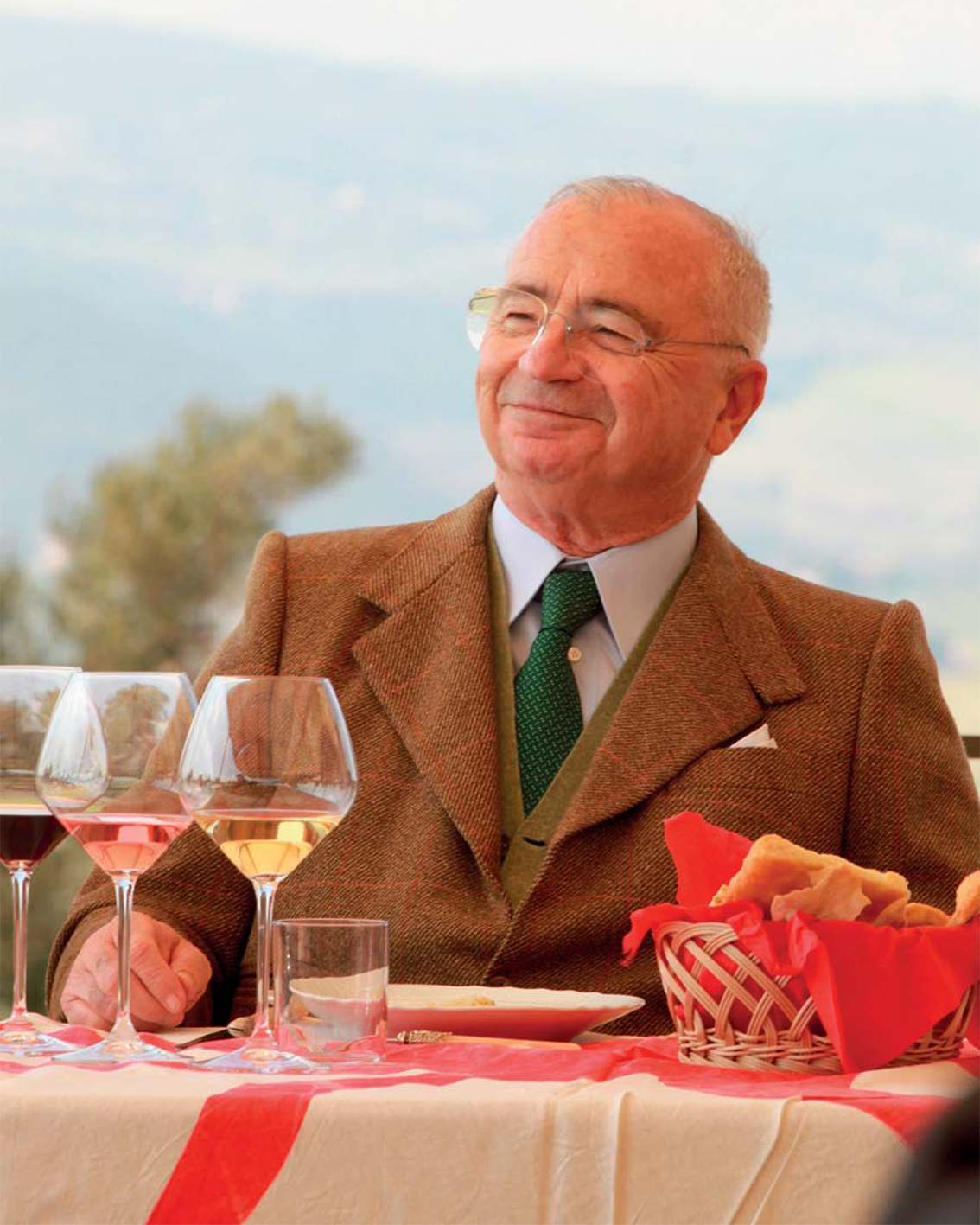
The estate is led by Vittorio Piozzo di Rosignano (nephew of Gian Annibale Rossi di Medelana), who assumed leadership in 2019, bringing a thoughtful and continuity-driven approach to its management. Deeply connected to the property through family heritage, his role focuses on enhancing the estate’s strengths while adapting to modern challenges such as climate change and evolving markets. He works alongside a highly experienced technical team, including renowned oenologist Carlo Ferrini, who has been instrumental in shaping the estate’s wine style since its modern inception. Vineyard operations are coordinated by agronomist Emanuele Vergari, ensuring consistency and precision across all aspects of production. This collaborative structure supports a unified vision across vineyard, cellar and broader estate management.
Beyond the Vine:
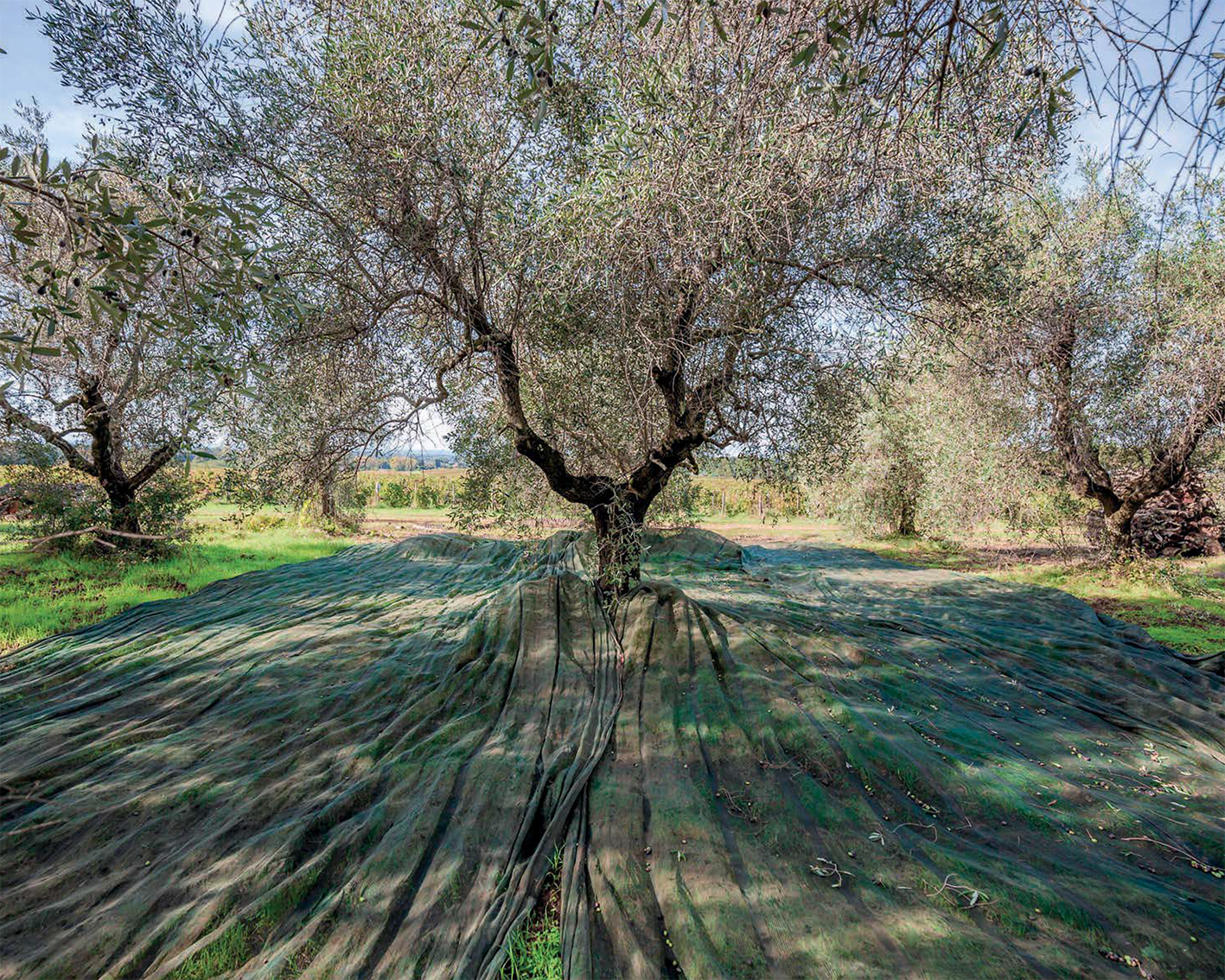
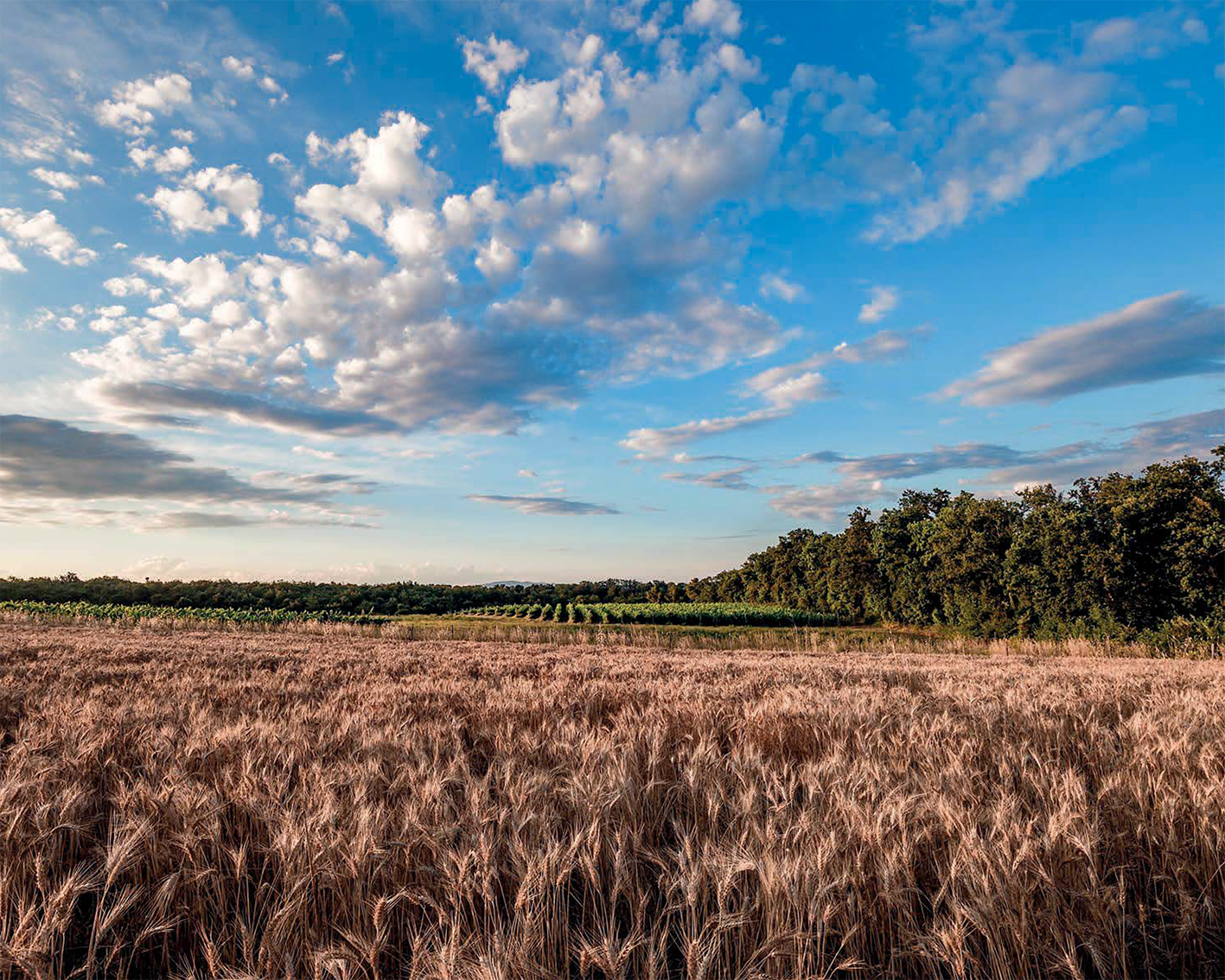
Castello del Terriccio extends far beyond viticulture, operating as a fully integrated agricultural and hospitality destination. The estate includes approximately 40 hectares of olive groves producing high-quality extra virgin olive oil, alongside pastureland dedicated to free-range Limousin cattle farming. Forests covering hundreds of hectares play a crucial ecological role, contributing to biodiversity and carbon absorption while maintaining environmental balance across the estate.
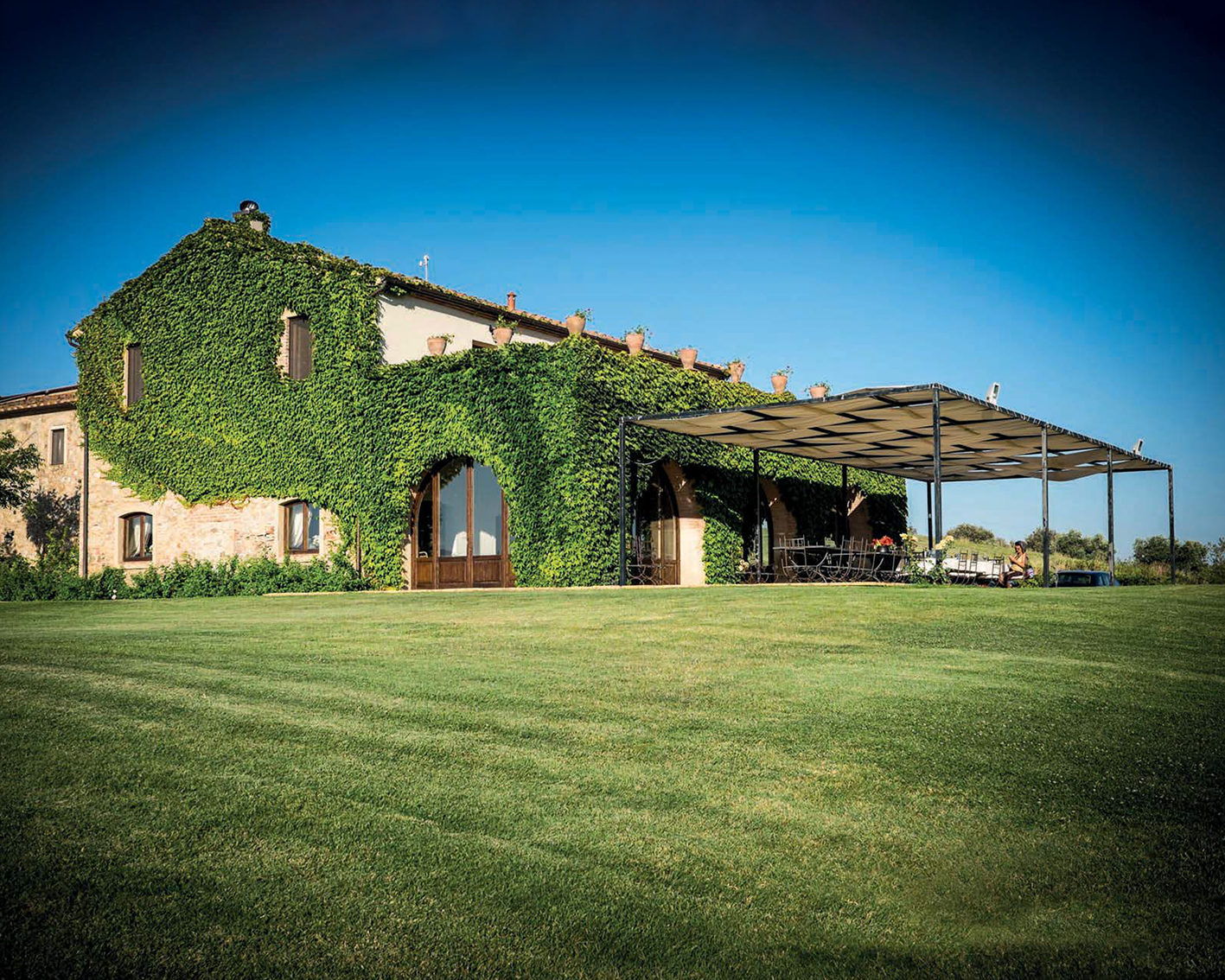
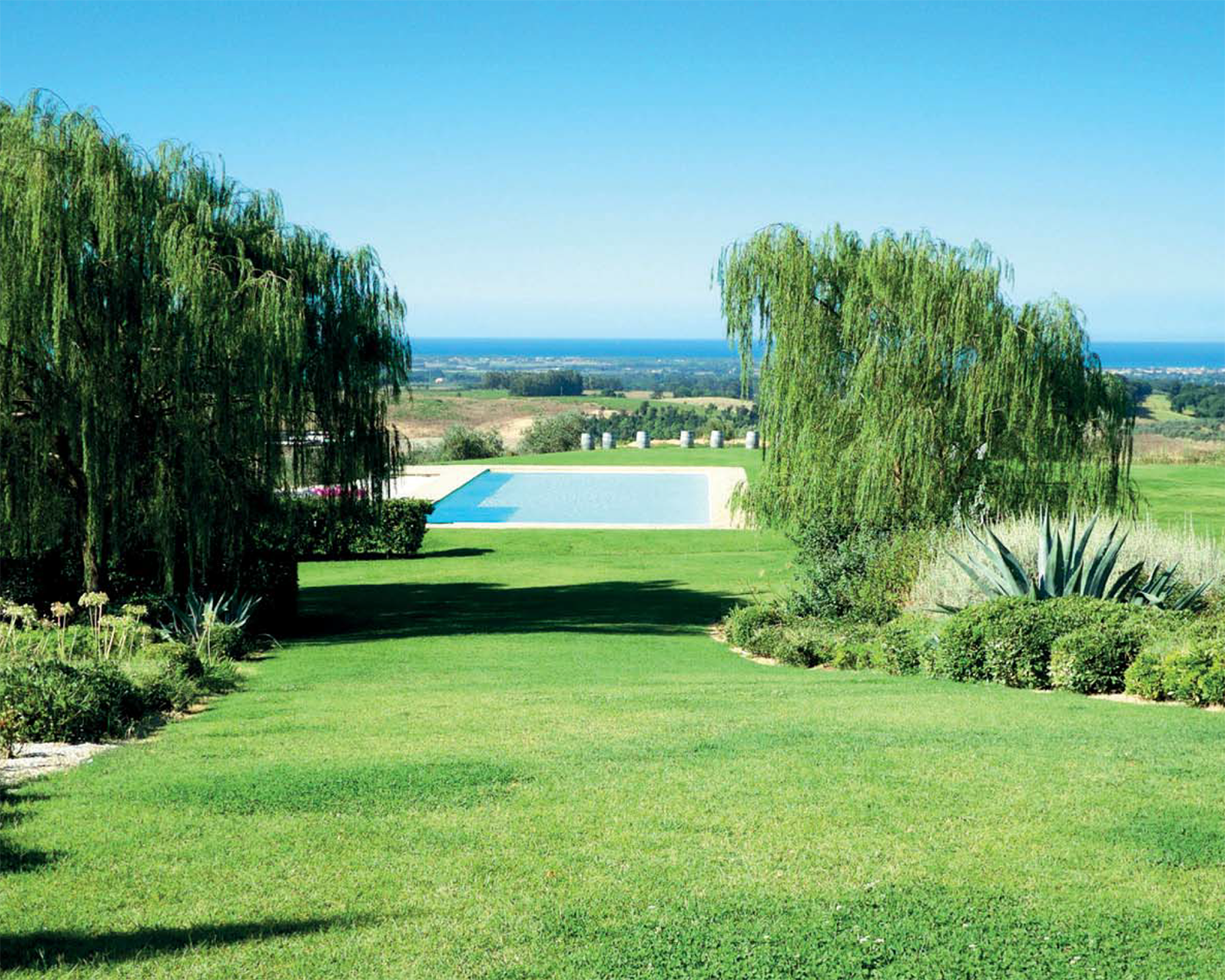
Hospitality is centred around Villa La Marrana, a restored guest residence offering an immersive experience of the Tuscan landscape, and Terraforte restaurant, which highlights seasonal, estate-driven cuisine rooted in local ingredients and traditions.
Research and innovation also form part of the estate’s evolution, including collaborations with the University of Pisa to develop precision viticulture technologies, reinforcing its commitment to sustainability and long-term environmental stewardship.