Terroir summary
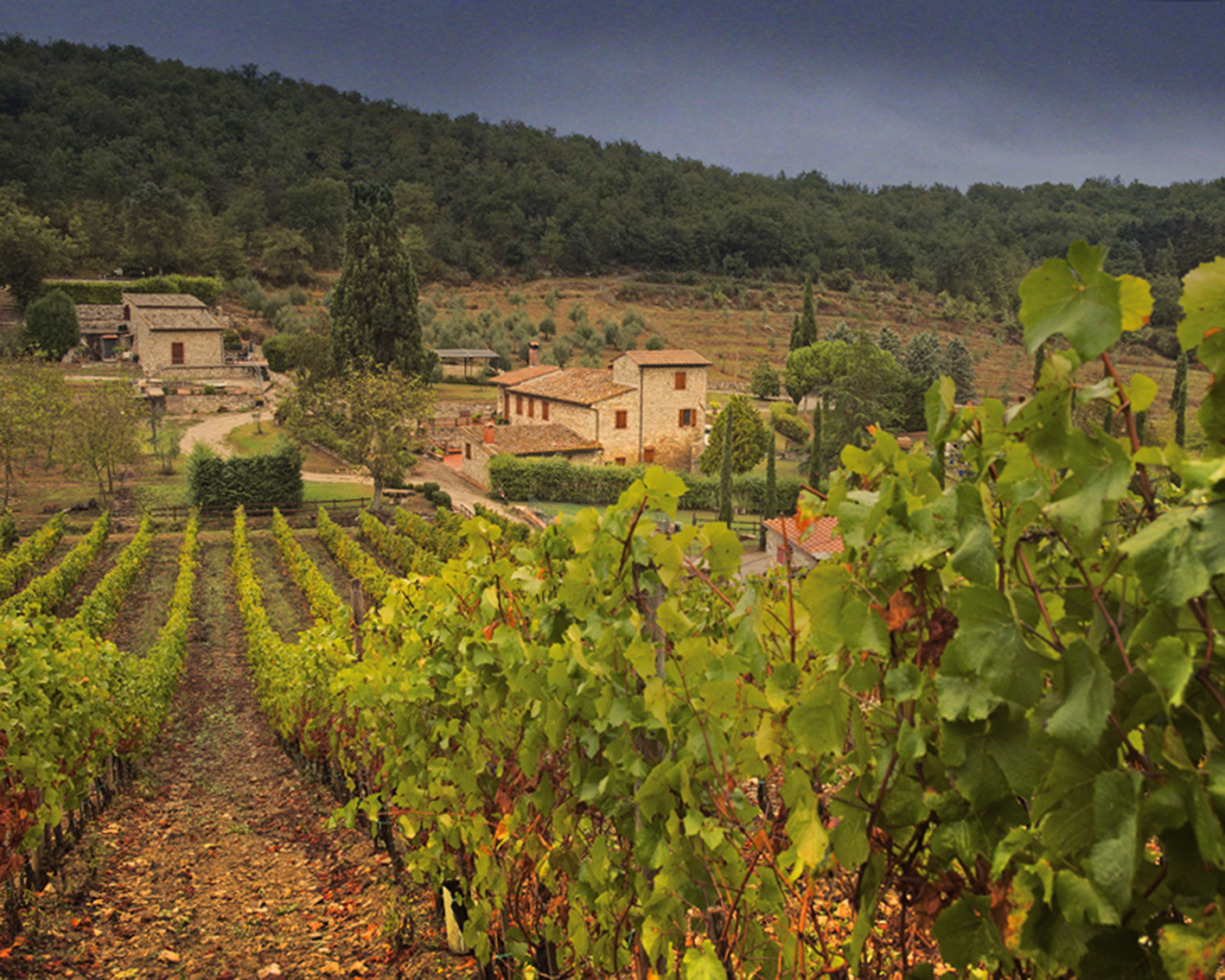
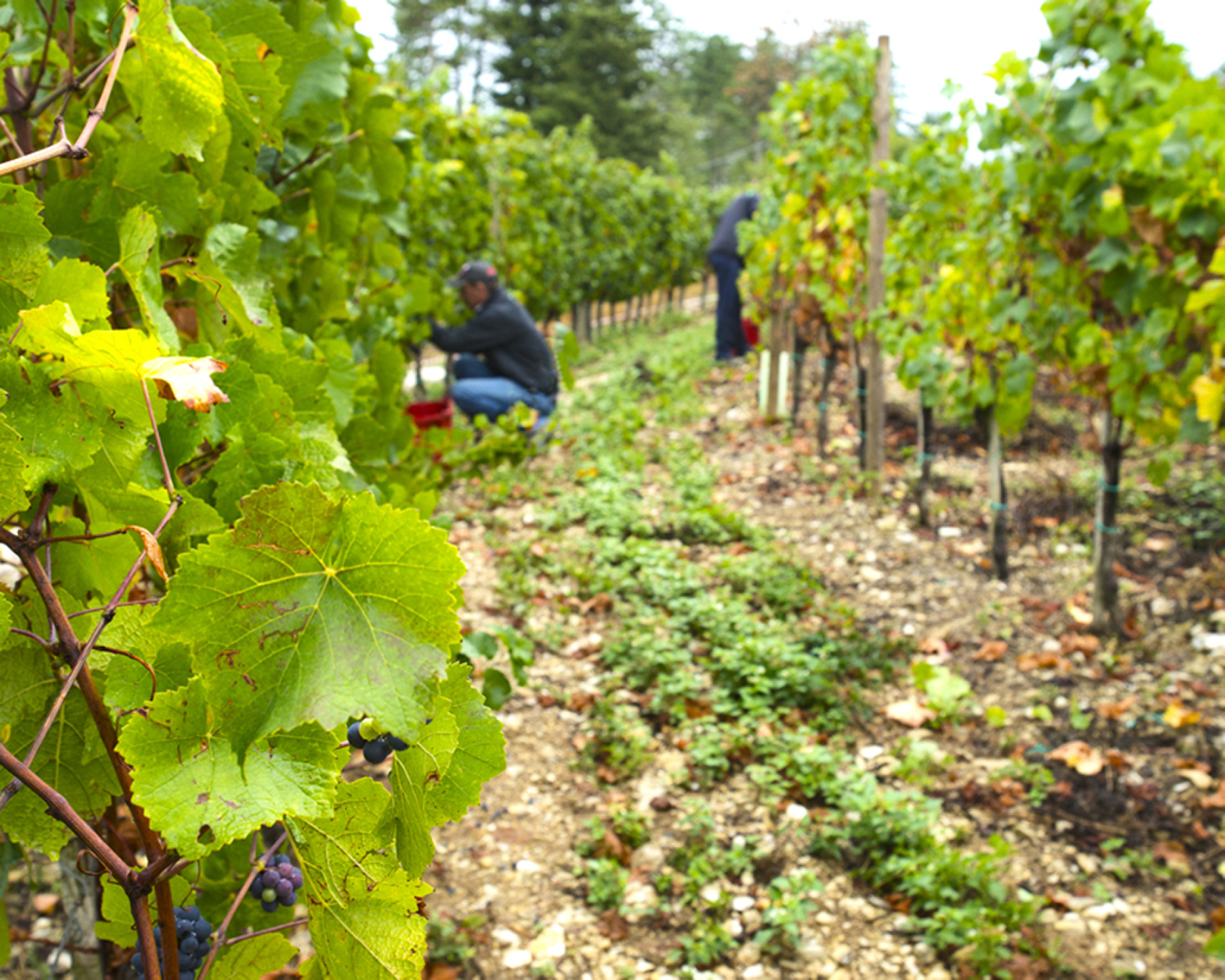
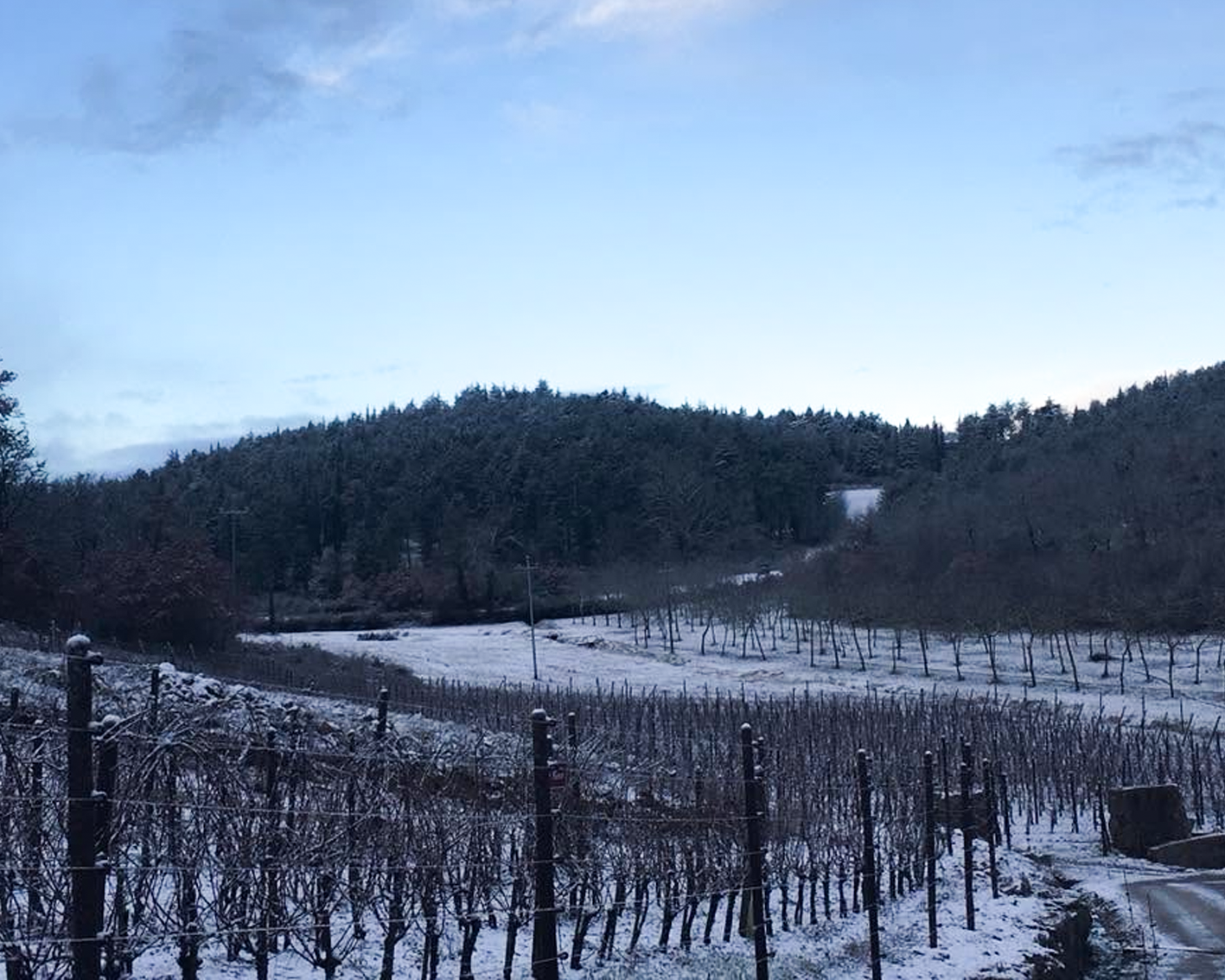
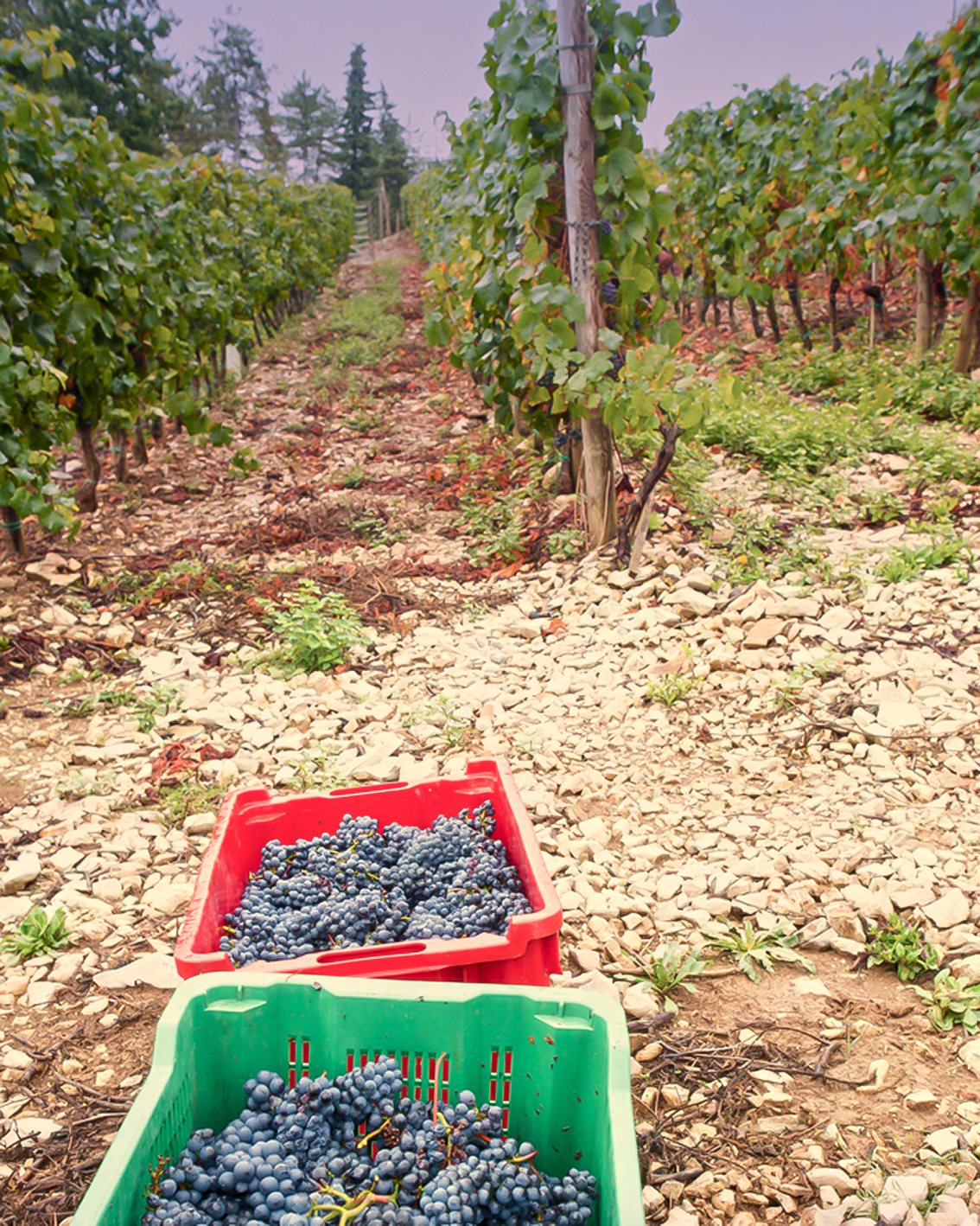
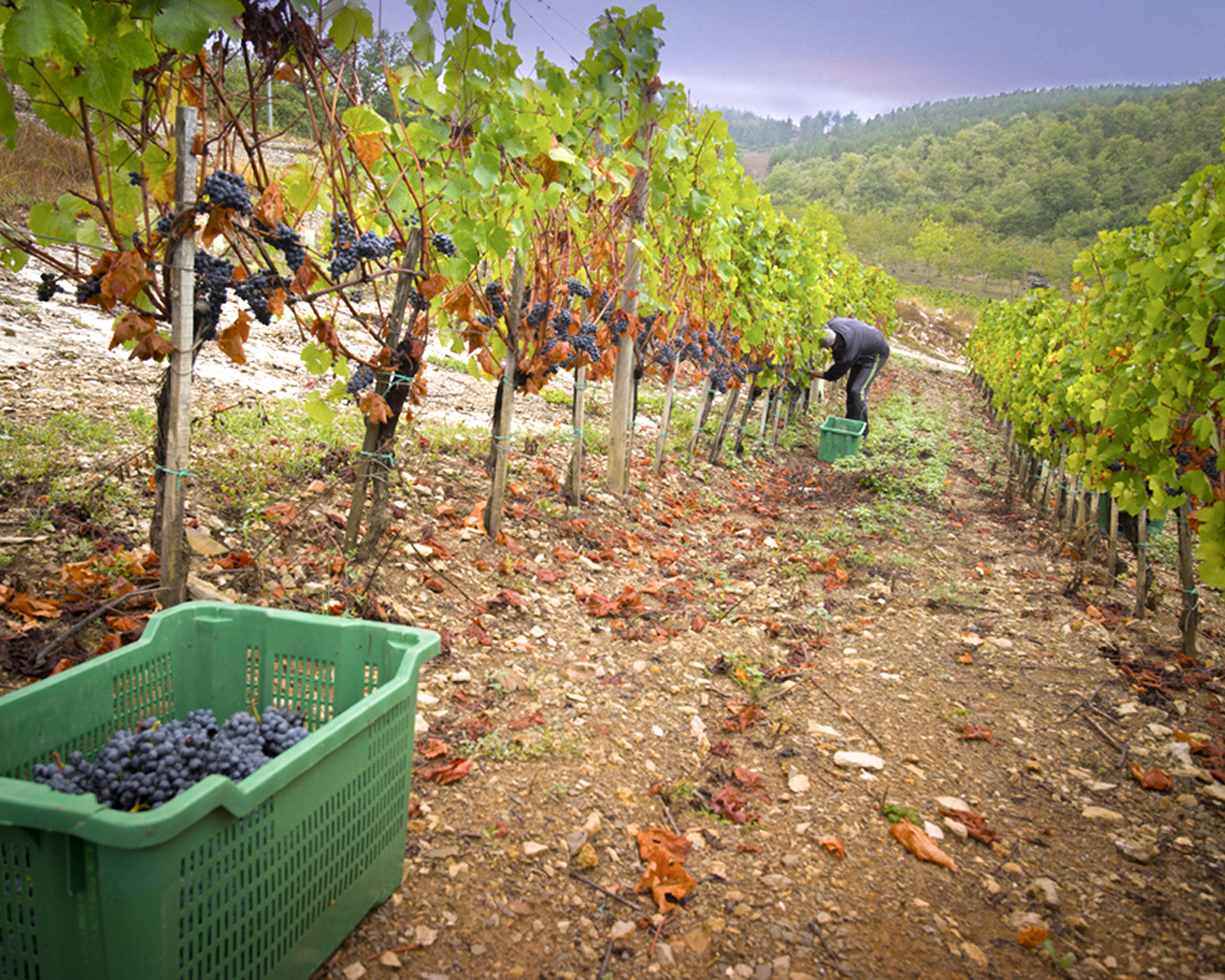
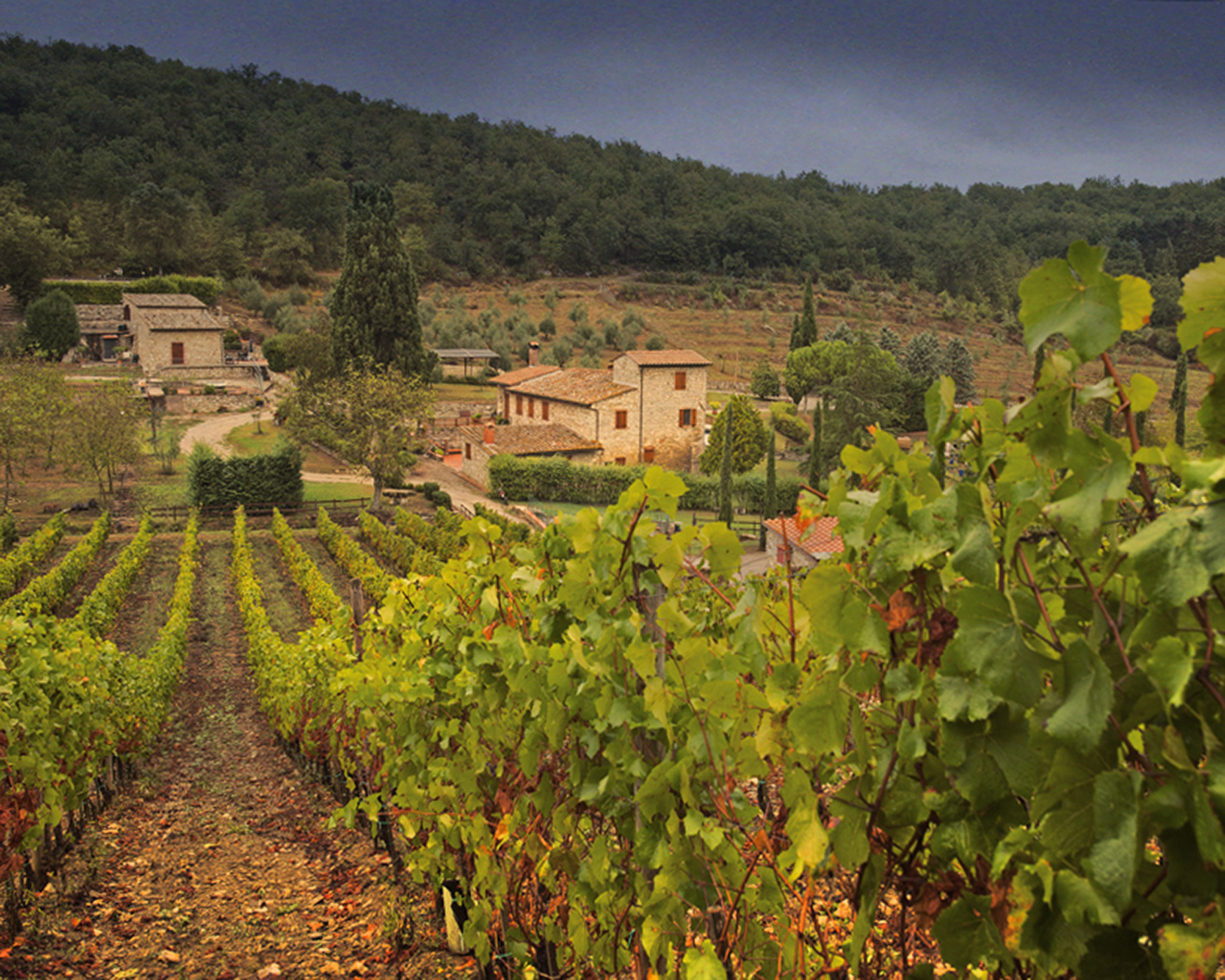
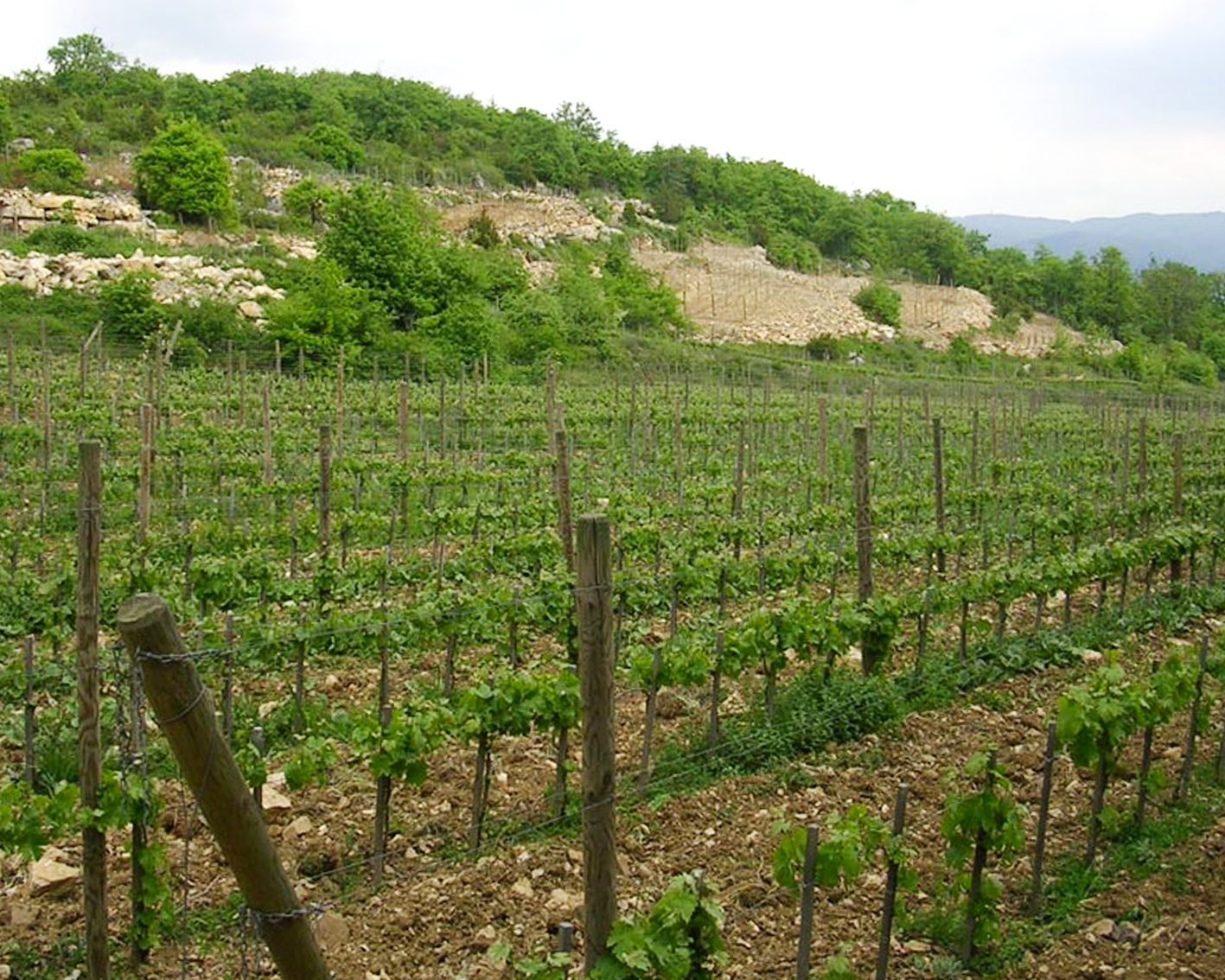
Podere Monastero is located in Castellina in Chianti, one of the highest and coolest sectors of the Chianti Classico zone. The estate’s vineyards sit at around 500 metres above sea level and above, with a predominance of galestro soils (fractured clay-schist marl) and alberese (calcareous limestone marl). It’s a tiny site of just three hectares under vine, producing less than 10,000 bottles of wine each year.
Heritage:
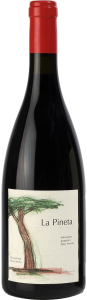
Podere Monastero was founded in 2000 by Alessandro Cellai following a long career in Tuscan wine. Rather than creating a broad portfolio, Cellai established the estate around a highly specific objective: producing two wines that would express both grape variety and site at the highest possible level. The project’s most ambitious undertaking was the planting of Pinot Nero in Castellina in Chianti, a decision considered unconventional at the time. Over the following decades, La Pineta emerged as one of Italy’s most highly regarded examples of the variety, with several vintages being declared Italy’s best Pinot Nero by multiple critics.
Philosophy:
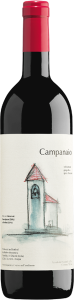
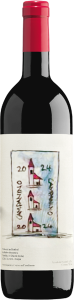
Podere Monastero operates with an intentionally narrow focus: biodiversity, vineyard-first thinking, and low-intervention site expression, themes that run through both Cellai’s career and the estates he has managed. Vineyard establishment was preceded by detailed research into plant material and site suitability, while the winery’s production remains centred on maximising the expression of two specific varieties. La Pineta aims to demonstrate the potential of Pinot Nero in a high-altitude Tuscan environment, while Campanaio explores the interaction of Cabernet Sauvignon and Merlot in the same terroir. The estate’s philosophy reflects Cellai’s belief that great wines originate from rigorous vineyard decisions combined with disciplined winemaking rather than portfolio expansion.
People:
Podere Monastero is the personal project of Alessandro Cellai, a Castellina-born oenologist whose career has been closely intertwined with the evolution of modern Tuscan wine. After studying oenology in Siena and chemistry in Florence, he began his career at Rocca delle Macìe before taking the helm at Castellare di Castellina, where he spent 25 years helping to establish the estate among Tuscany’s leading quality producers. He subsequently played a key role in the development of Rocca di Frassinello in Maremma and Feudi del Pisciotto in Sicily, and later became General Manager and Winemaker at Vallepicciola in Chianti Classico, a position he still holds.
A major influence on Cellai’s career was Giacomo Tachis (the pioneering architect of the Super Tuscan movement), whom he describes as his greatest mentor and whose belief in the balance between grape variety, terroir and winemaking remains central to Cellai’s approach. Over the course of his career, wines produced under his direction have earned more than 80 Tre Bicchieri awards from Gambero Rosso, alongside numerous placements in Wine Spectator’s Top 100 Wines of the World, cementing his reputation as one of Italy’s most accomplished wine producers.
Beyond the vine:
Long before Italian Pinot Nero became fashionable among collectors and fine wine commentators, Alessandro Cellai planted the variety in Castellina in Chianti despite considerable scepticism from peers. The project was initially regarded as an unlikely experiment; however, subsequent critical acclaim has helped establish the wine as a benchmark for the variety outside its traditional growing areas.