Terroir summary
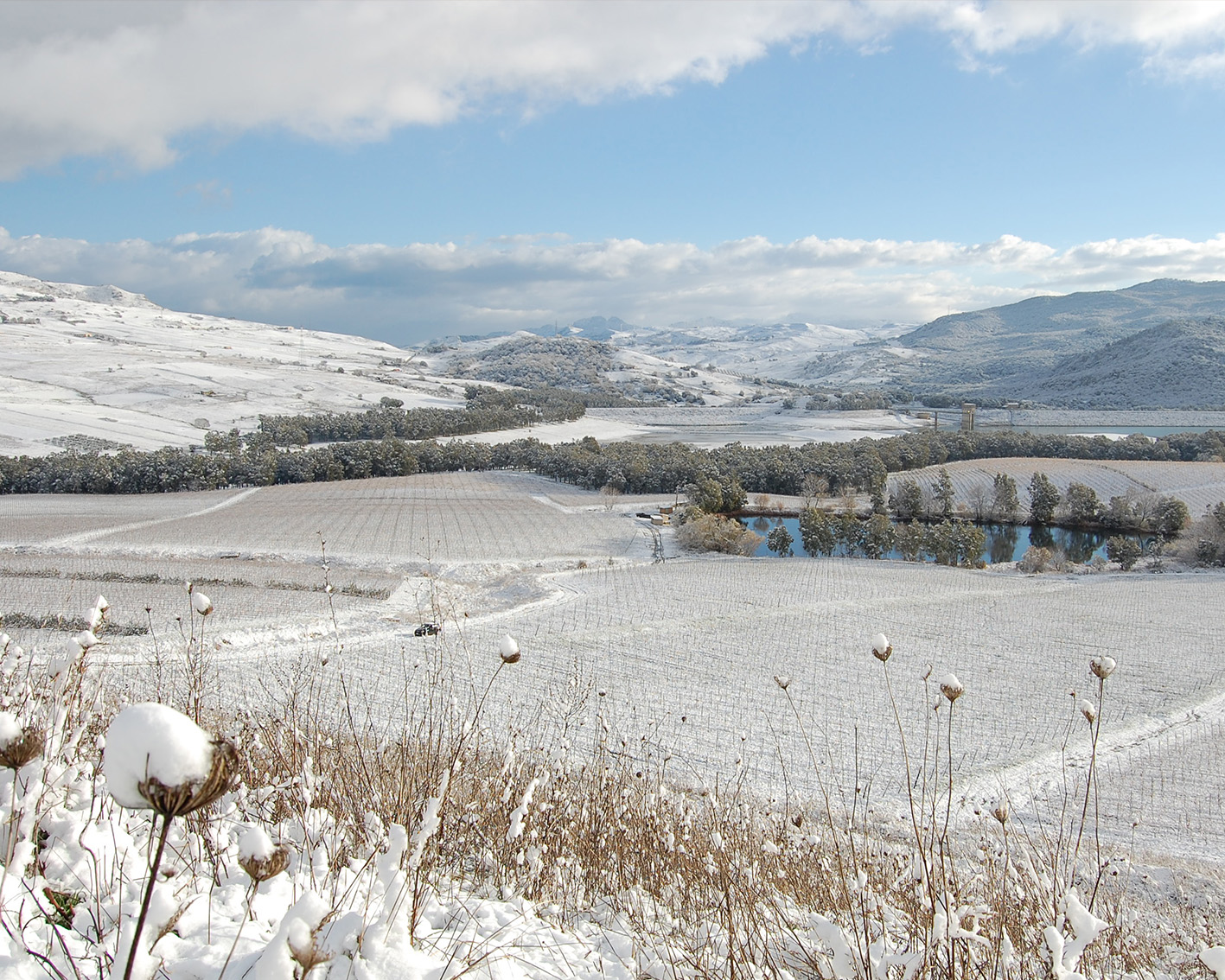
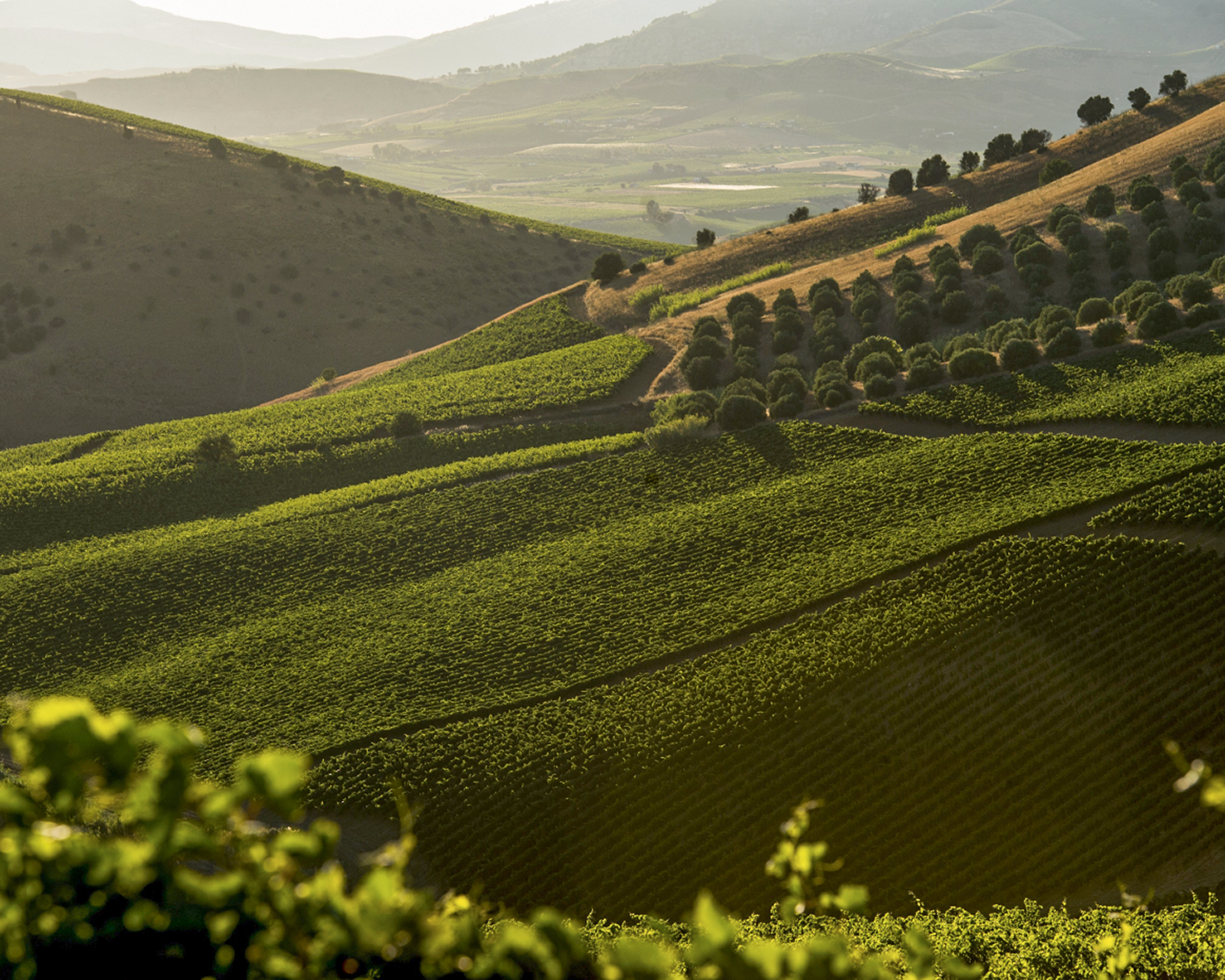
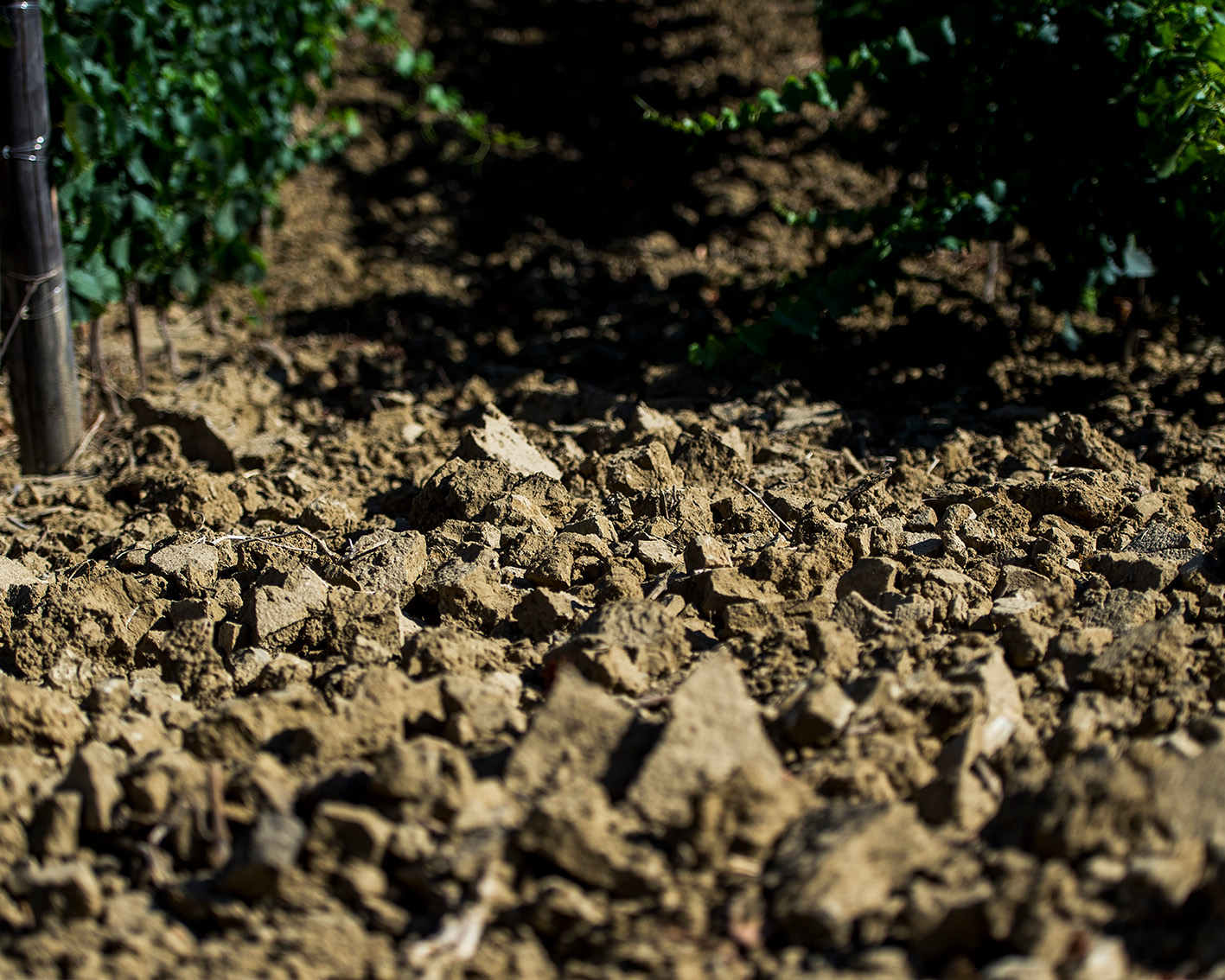
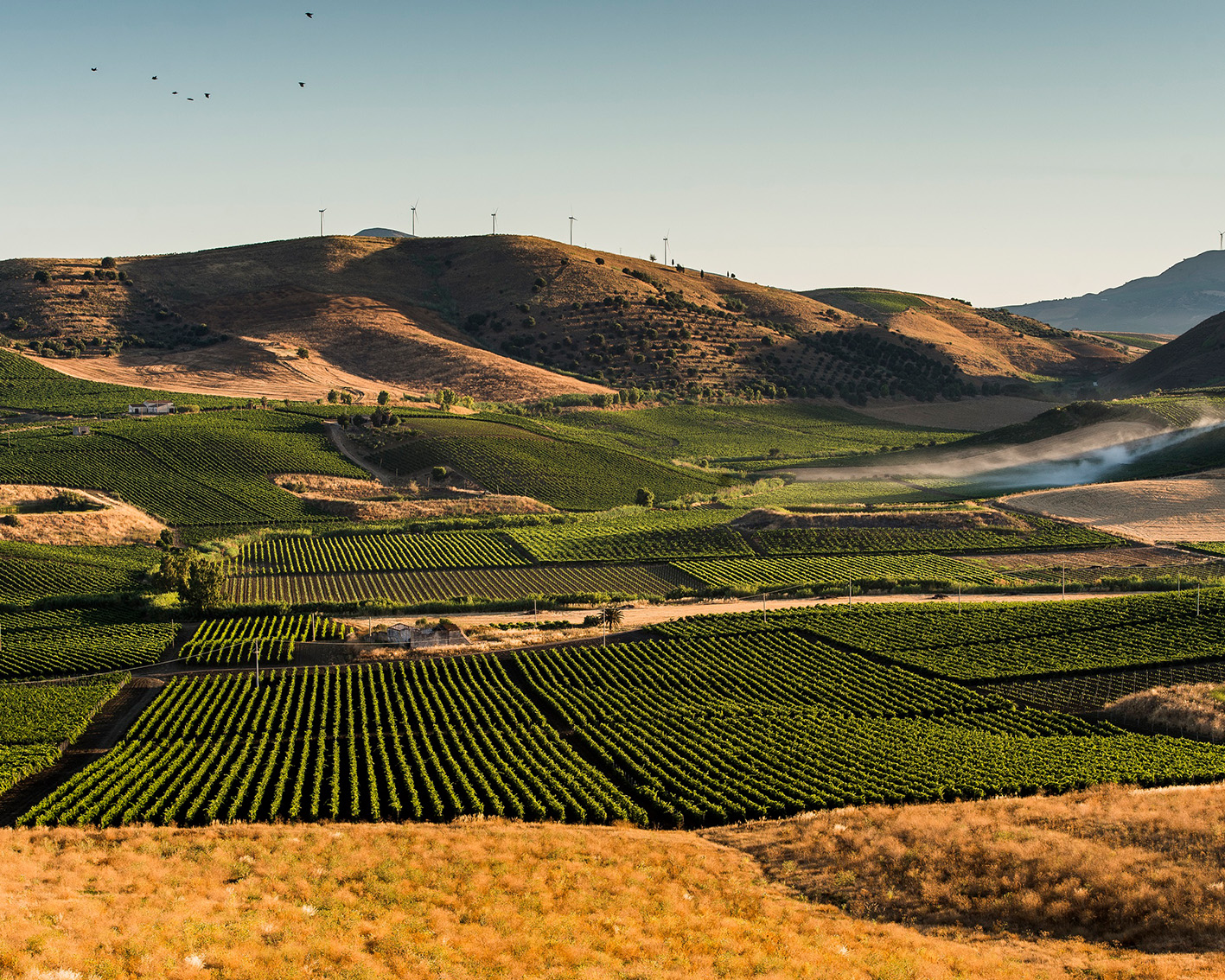
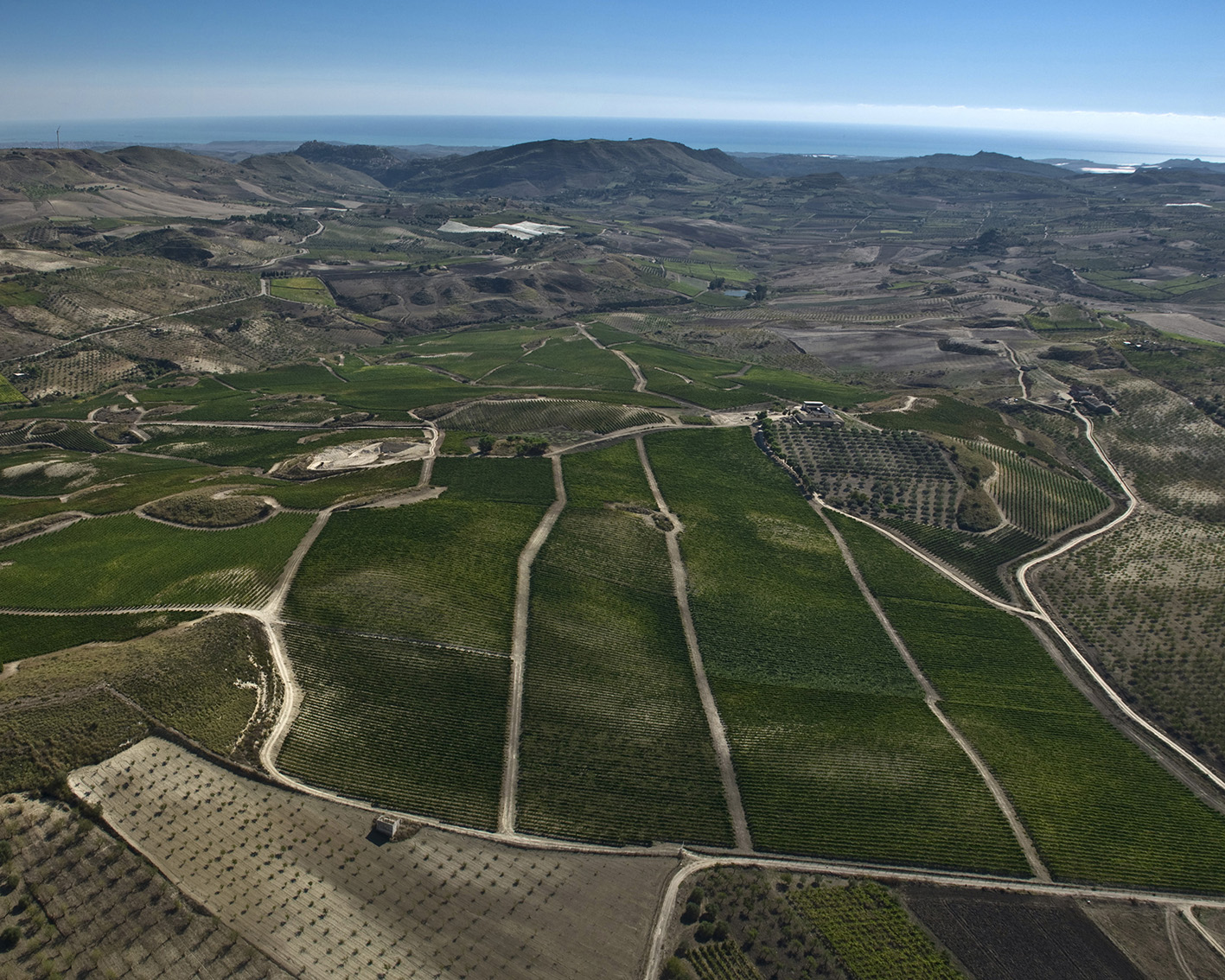
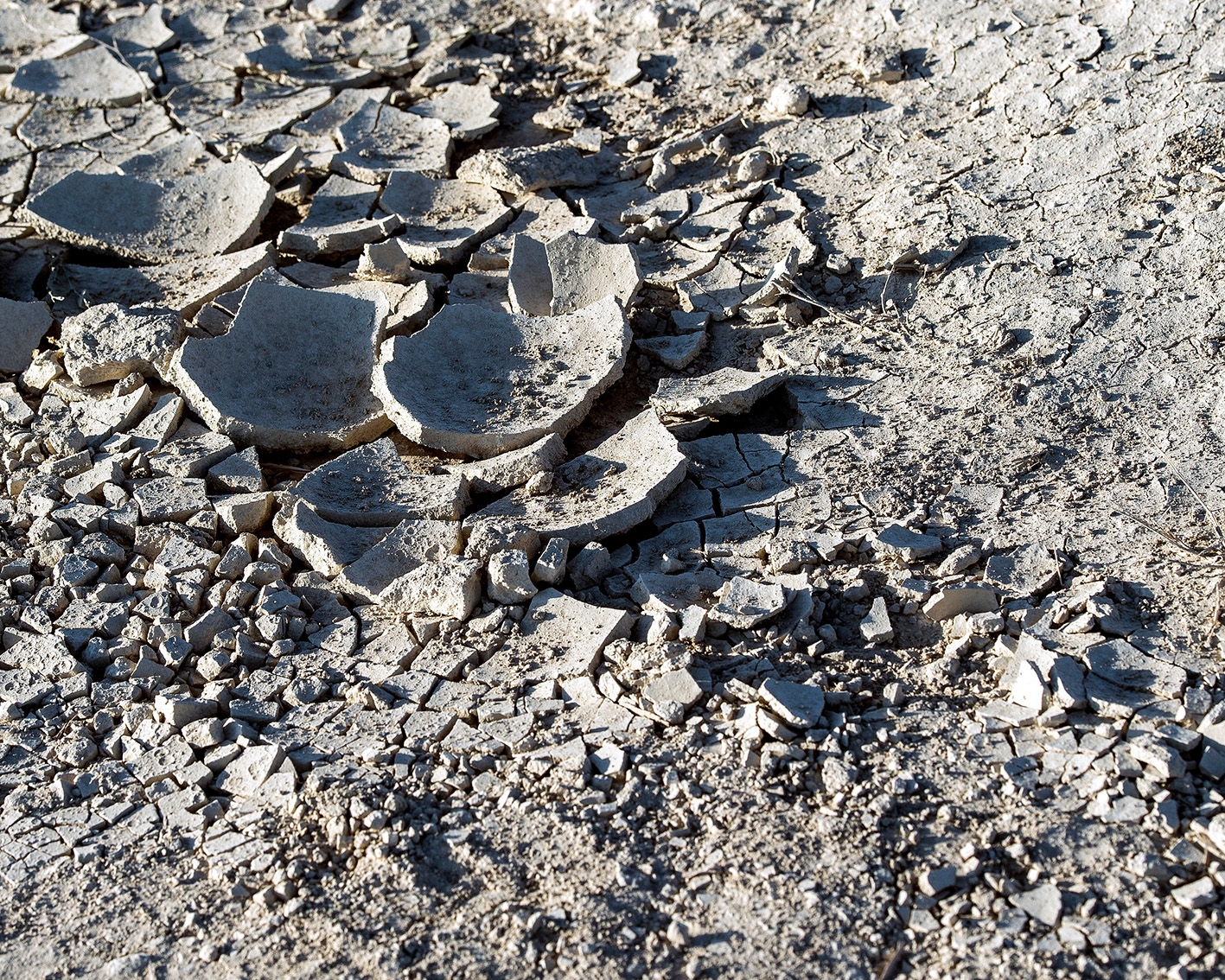
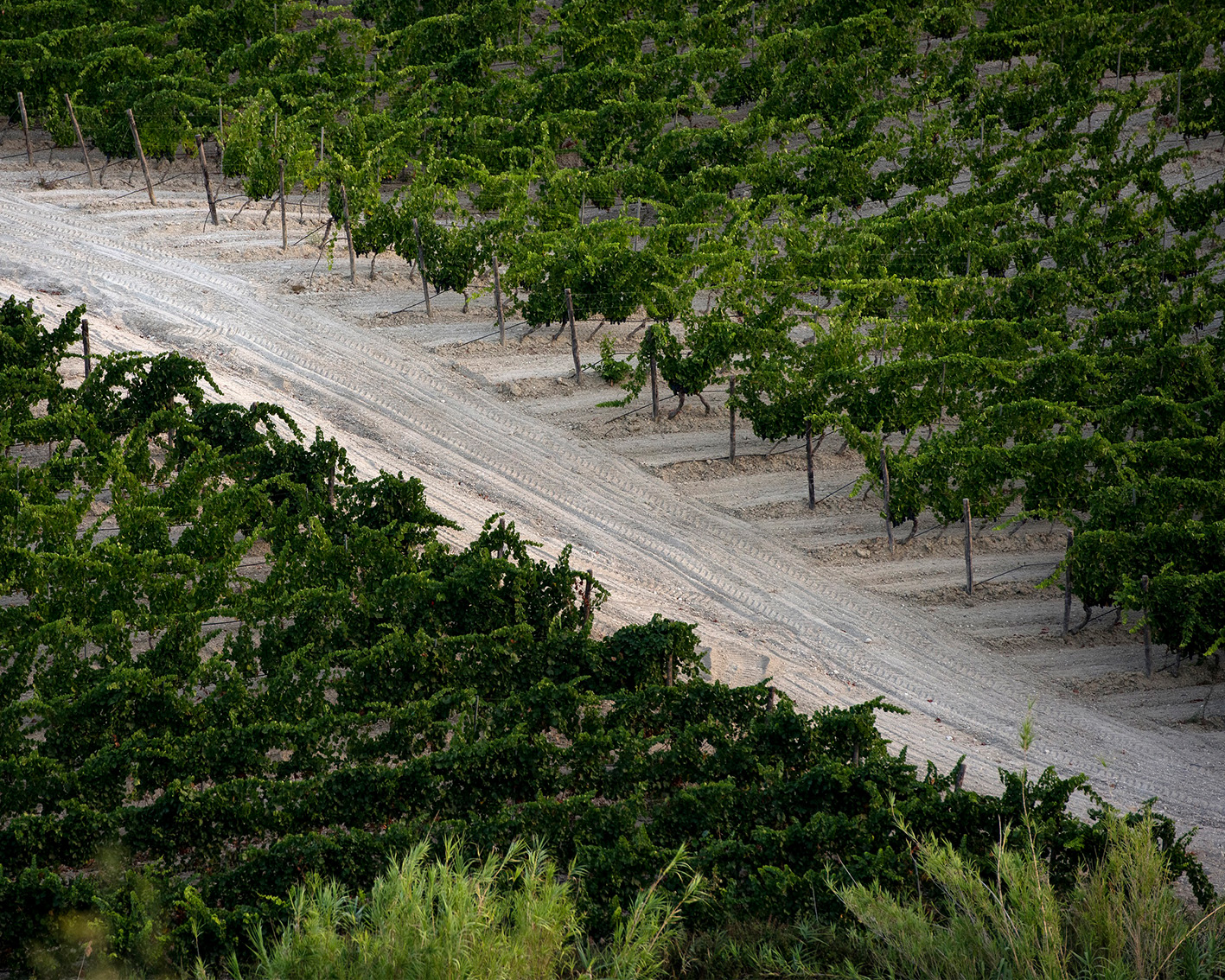
For Cusumano, Sicily is not a single terroir but a mosaic of dramatically different landscapes. The family’s vineyards stretch from the cool, elevated slopes of Ficuzza, around 700 metres above sea level, to the limestone-rich hills of Butera and the warmer, sun-drenched vineyards of Presti e Pegni in Monreale. Each estate was acquired specifically for its suitability to a particular variety or style, allowing the family to match grape and place rather than forcing a single approach across the island: At Ficuzza, altitude and significant diurnal variation contribute freshness, finesse and aromatic precision; Butera’s limestone soils and warm southern exposures provide structure and concentration, particularly for Nero d’Avola; while the Presti e Pegni estate combines warmth, sunlight and varied soils to produce wines of richness and generosity, while retaining the balance that defines the Cusumano style.
Heritage:
Although established in 2001, Cusumano draws upon generations of family involvement in the Sicilian wine trade. Francesco Cusumano’s knowledge of the island’s vineyards and growing regions provided the foundation for the project, while Alberto and Diego brought a clear ambition to create estate-driven wines capable of competing on the world stage. From the outset, quality was prioritised through vineyard ownership, careful site selection and a commitment to producing wines from their own fruit. In just over two decades, the winery has evolved into one of Sicily’s most recognised producers, helping redefine international perceptions of the region. The acquisition of vineyards on Mount Etna in 2013 under the Alta Mora project further cemented Cusumano’s position at the forefront of modern Sicilian wine.
Philosophy:
The Cusumano family believes wine should communicate the character of its origin as clearly as possible, beginning with vineyard ownership and a deep understanding of each site. Rather than sourcing fruit broadly across Sicily, every wine originates from estate vineyards selected specifically for their suitability to individual varieties. Indigenous Sicilian varieties remain central to the portfolio, reflecting the belief that the island’s greatest strength lies in its native grapes and extraordinary diversity of terroirs. Quality and sustainability are viewed as inseparable. Cusumano is certified under the SOStain/VIVA Sustainable Wine programme, which promotes biodiversity, soil health, reduced vineyard inputs, renewable energy use and responsible resource management.
People:
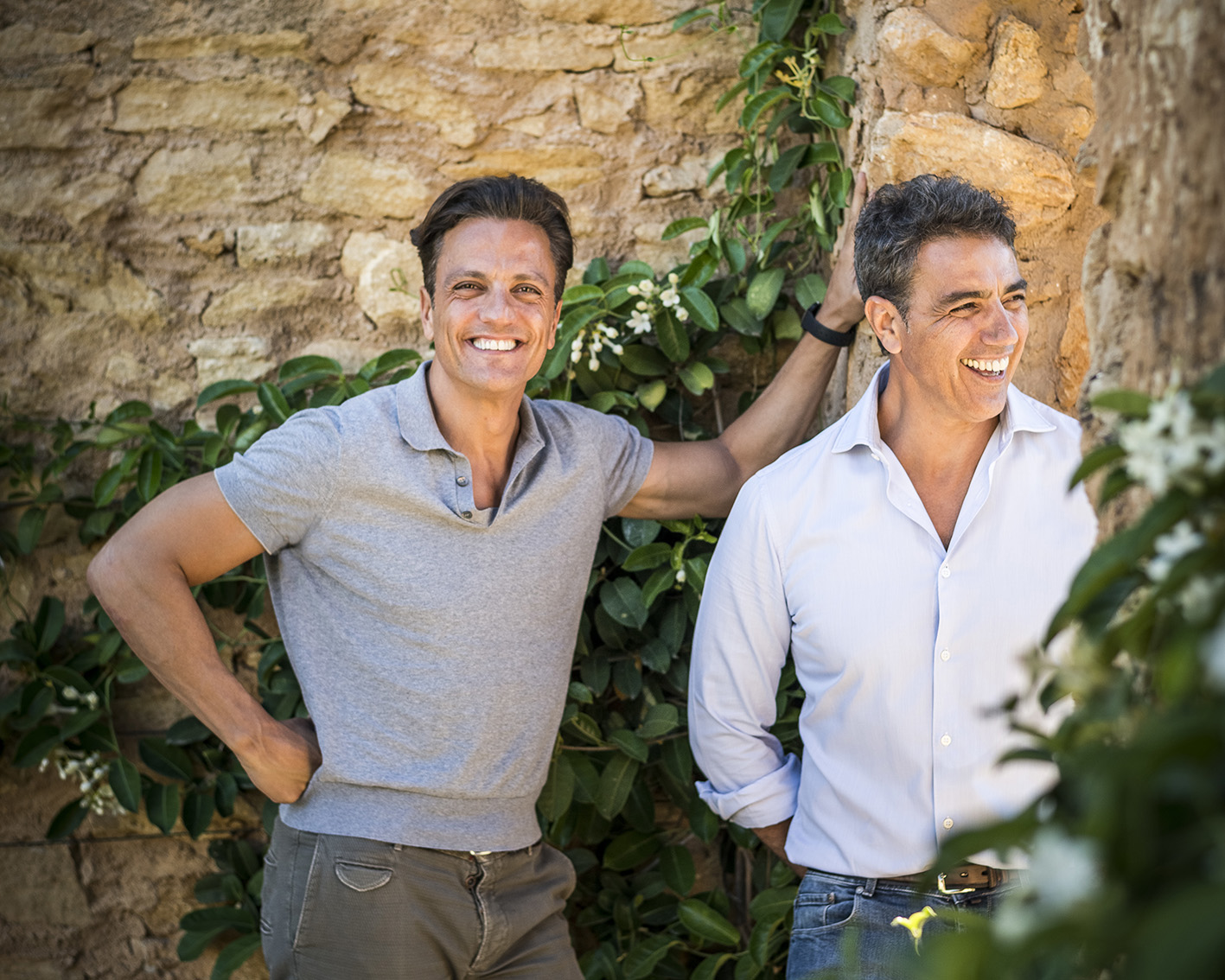
Cusumano remains a family-led business, with brothers Alberto and Diego Cusumano guiding the estate’s strategic direction while continuing the vision established alongside their father Francesco. Diego acts as the public face of the winery and a passionate ambassador for Sicilian wine globally, while Alberto oversees product development and vineyard strategy. An equally important figure is consultant winemaker Mario Ronco, who has worked with the family since the winery’s founding. Originally from Piedmont, Ronco helped shape the stylistic identity of Cusumano from the beginning, creating wines that balance modern precision with a strong sense of place.
Beyond the vine:
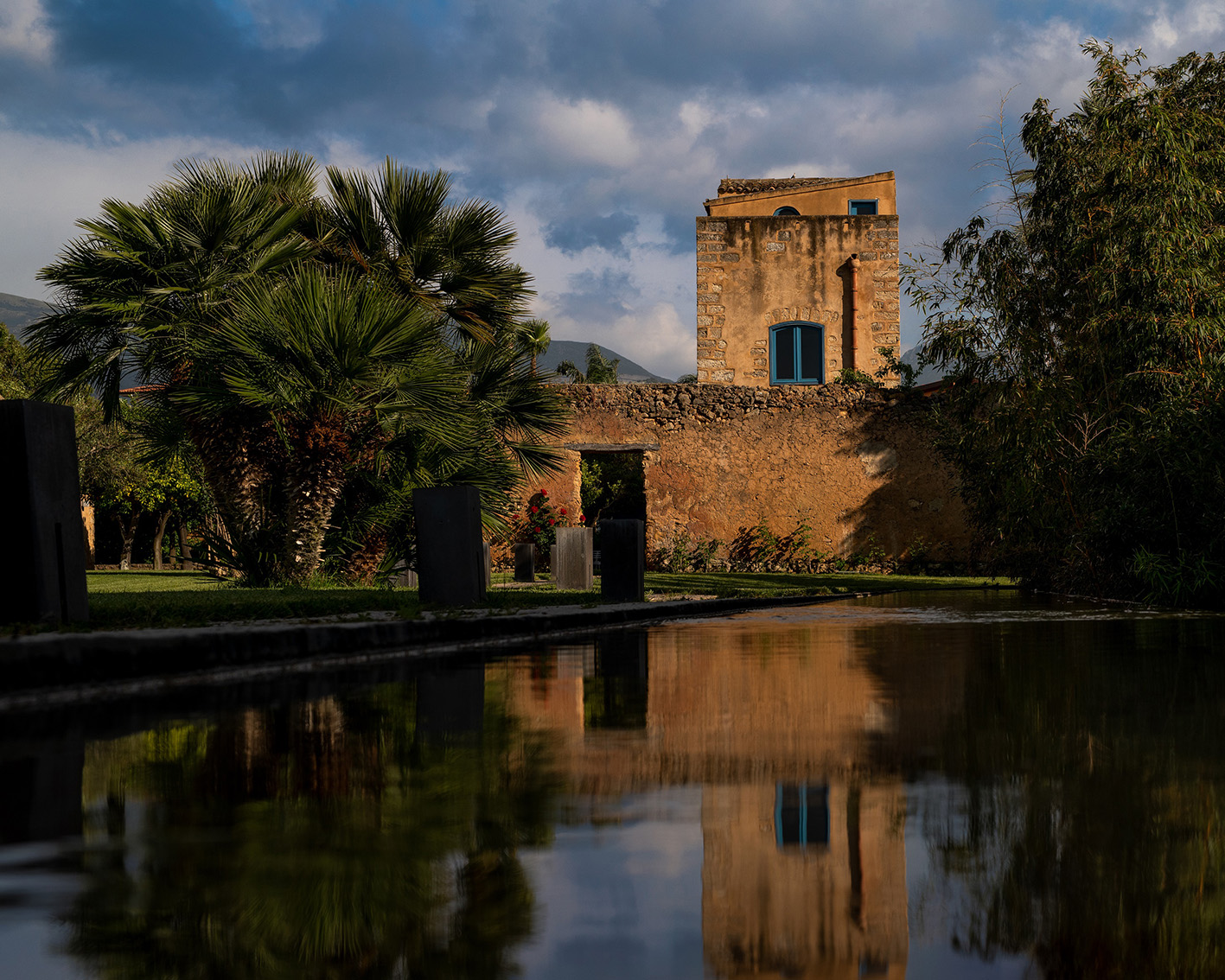
The Cusumano story extends beyond the vineyard to the family’s historic Partinico estate, where a restored Sicilian baglio, the nineteenth-century Torre San Carlo and contemporary winery facilities come together to celebrate the region’s cultural heritage. Through hospitality, wine tourism and educational experiences, the estate serves as a gateway to Sicily, offering visitors a deeper understanding of the landscapes, traditions and people that shape the wines.