Terroir Summary:
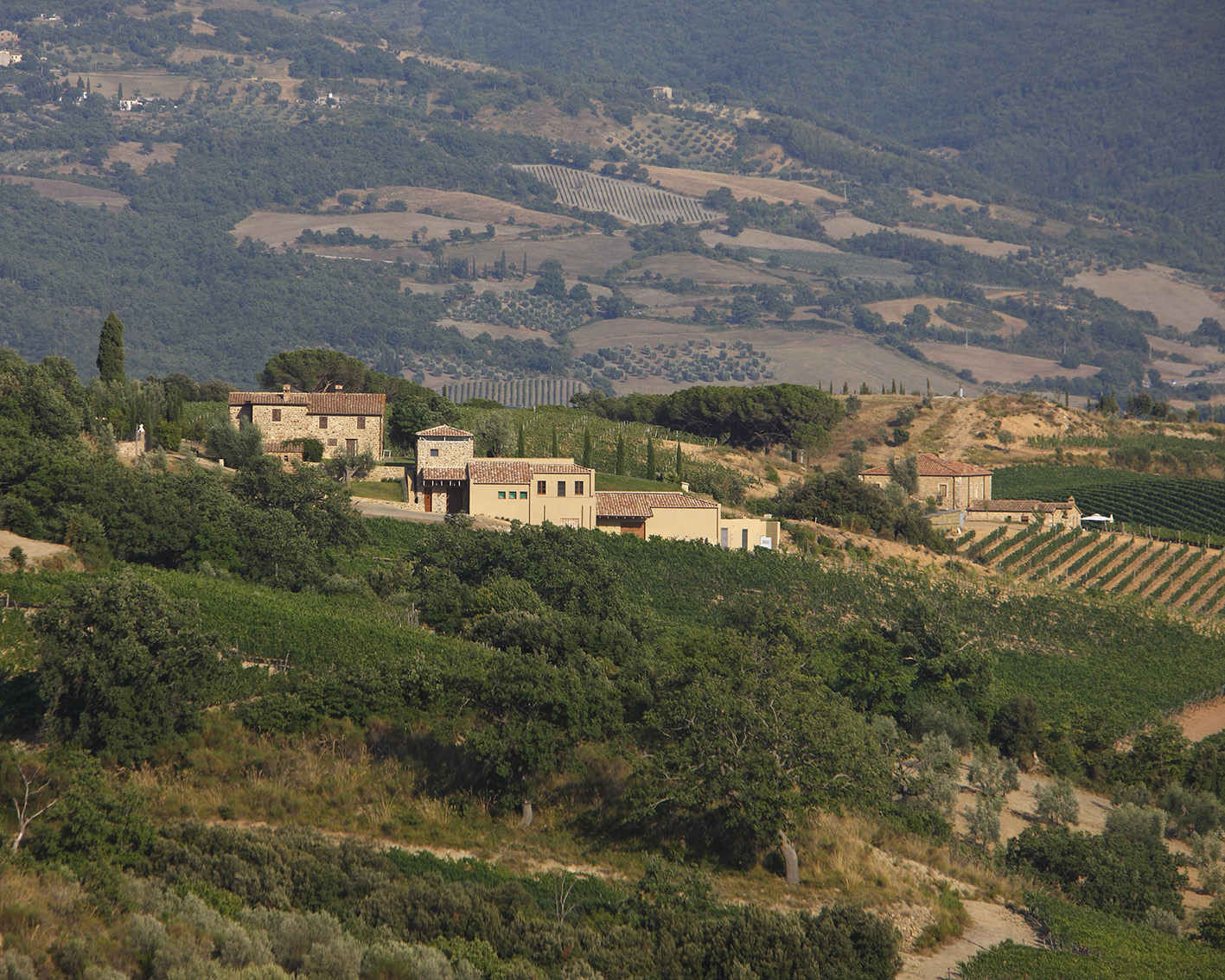
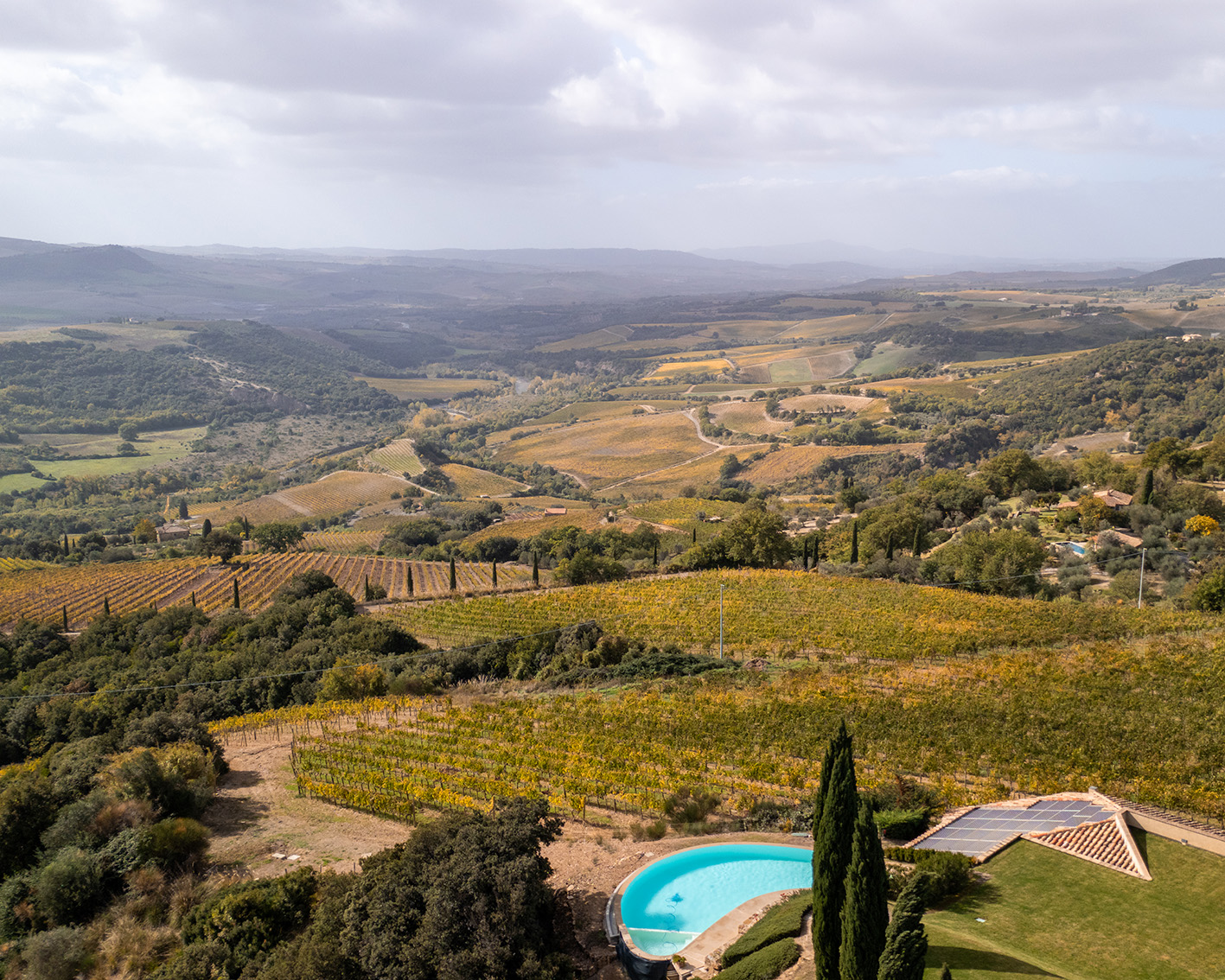
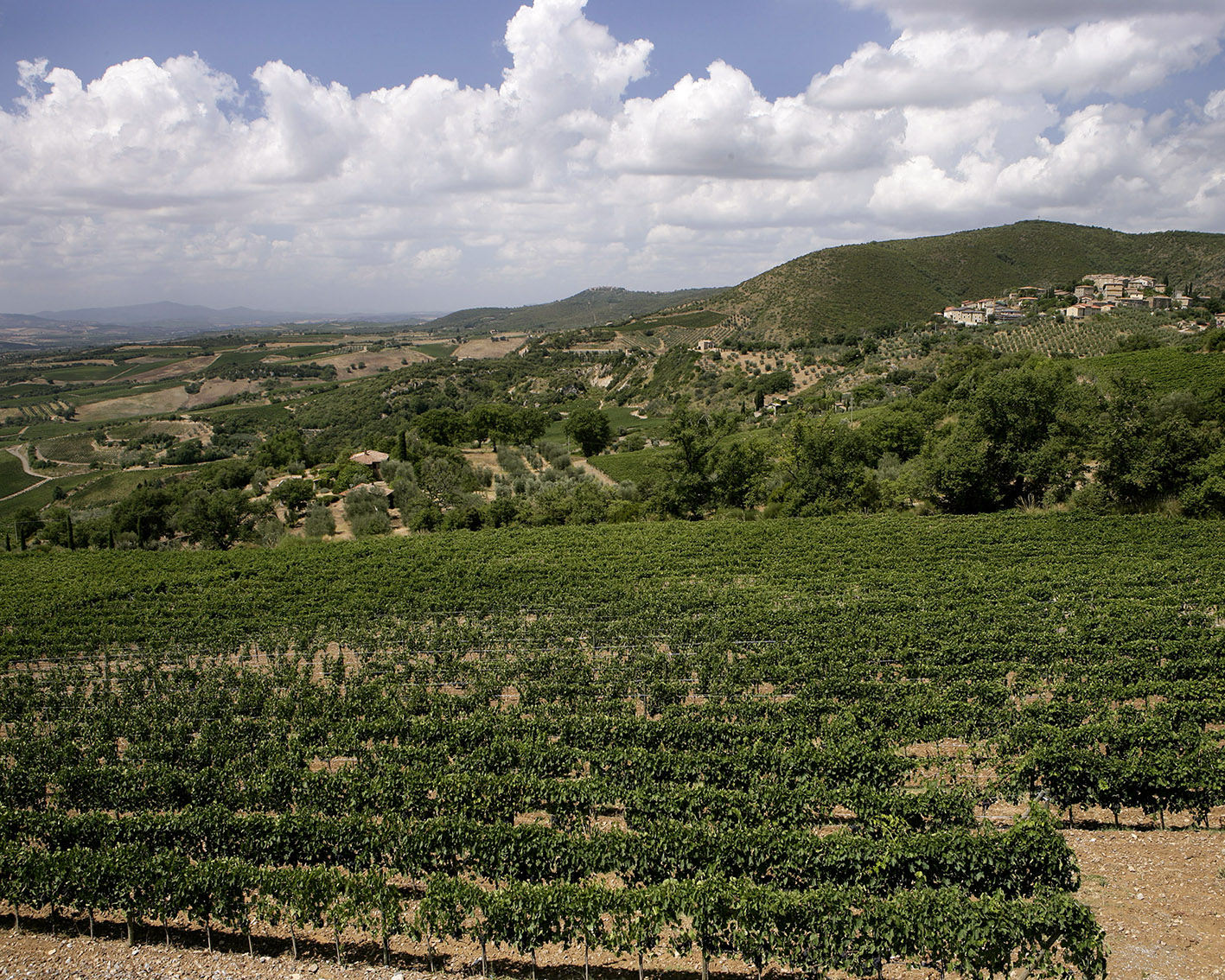
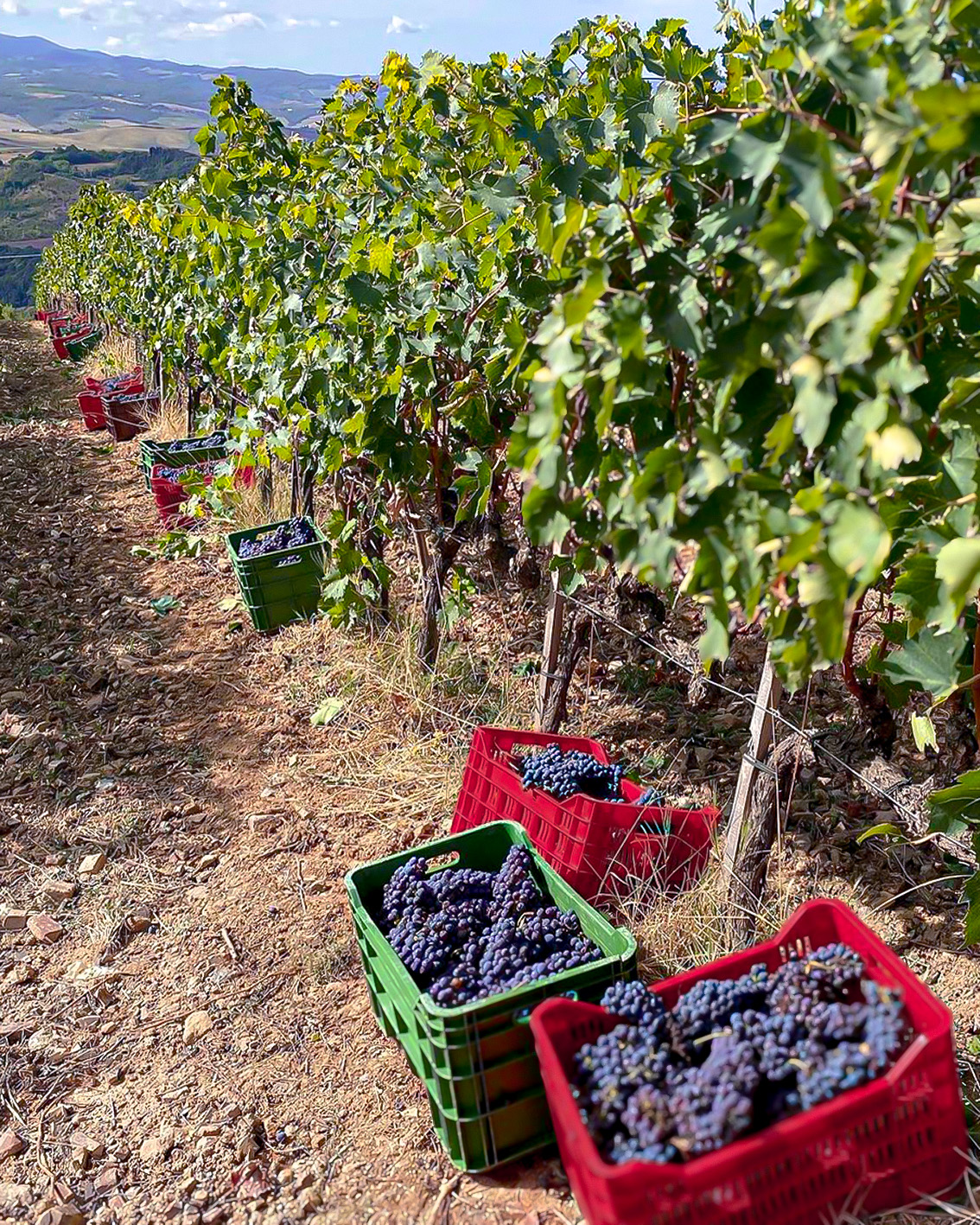
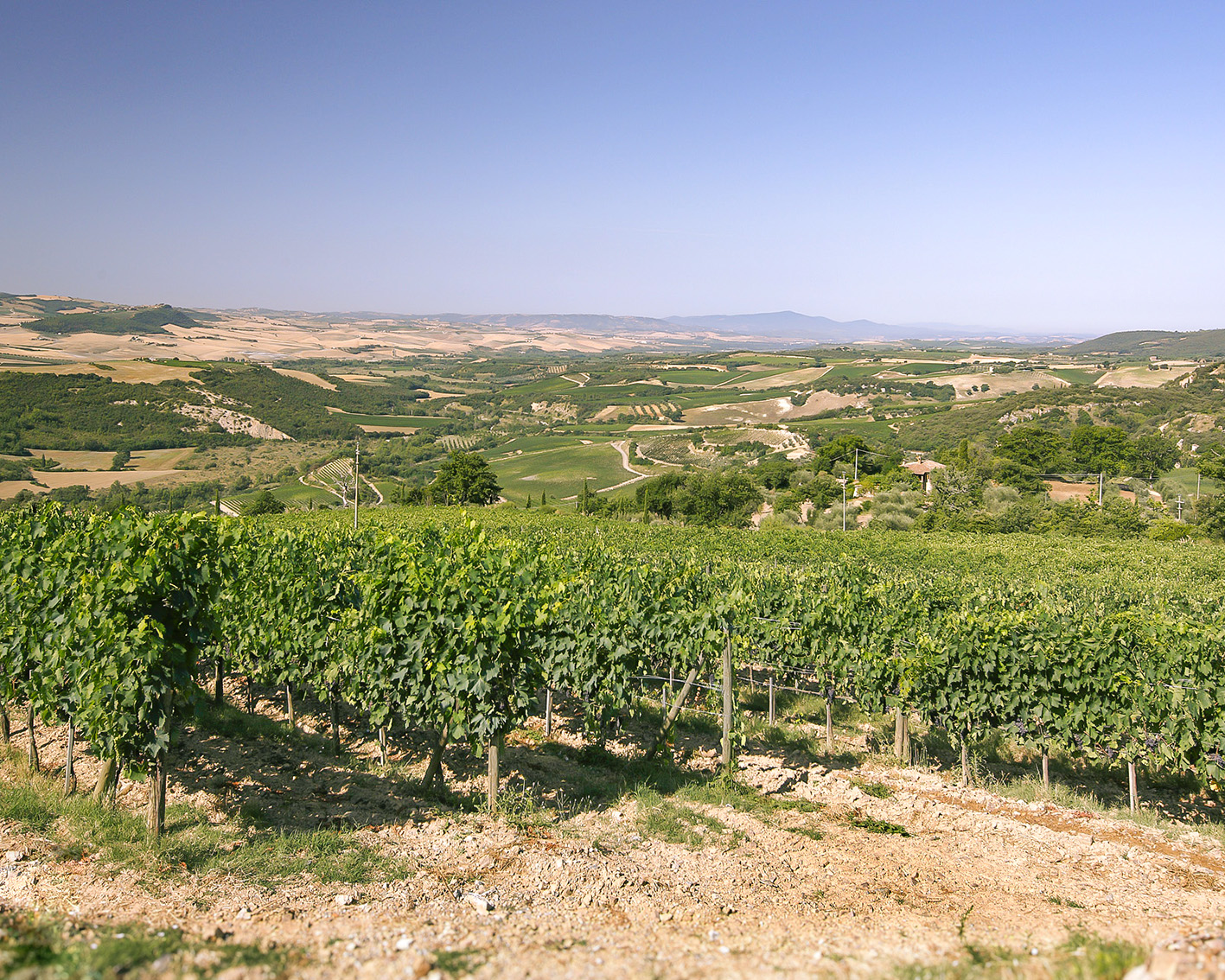
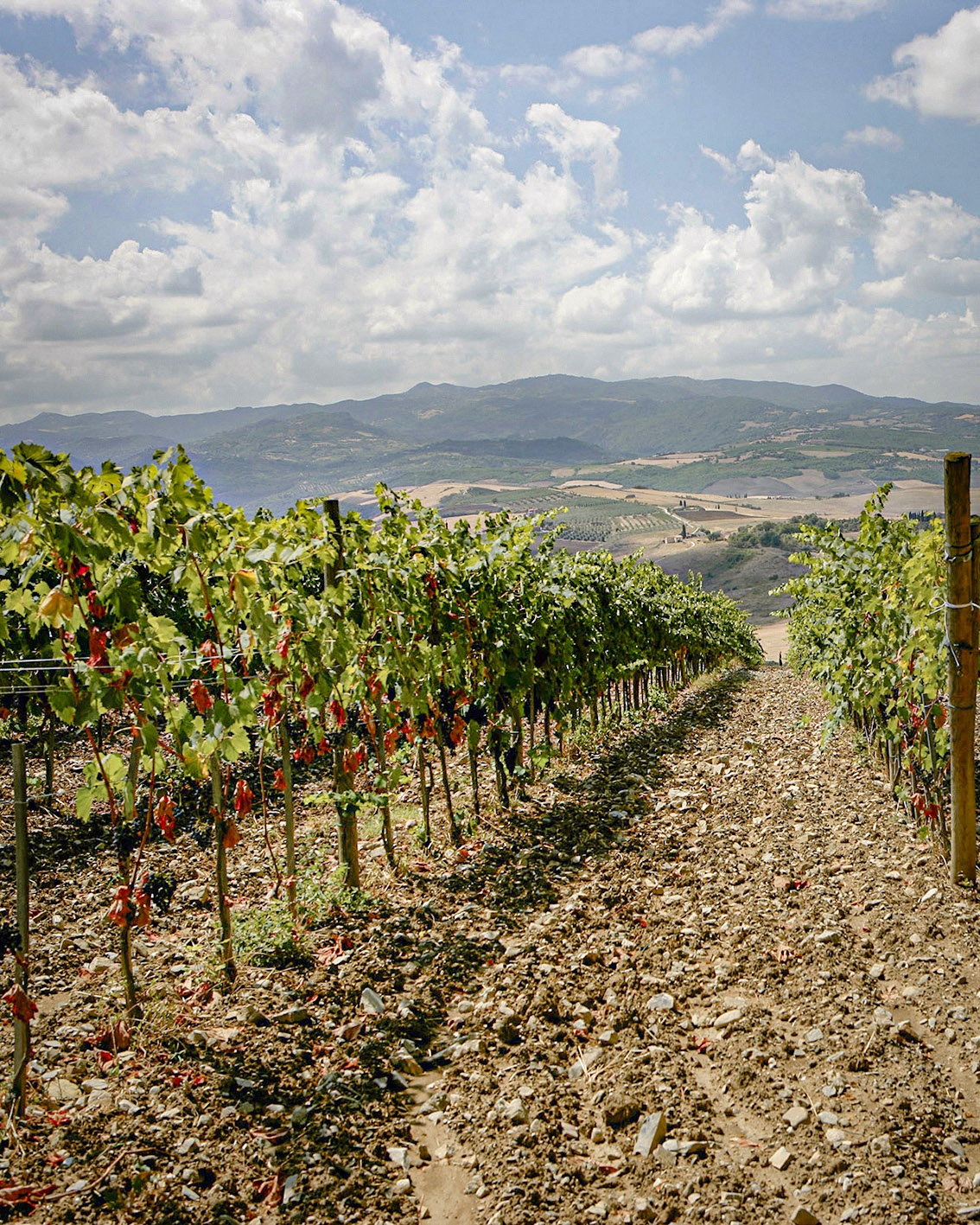
Belpoggio is close to the Castelnuovo dell’Abate end of Montalcino, one of the warmer areas of this tiny region. However, its elevated position and exposure create a beautifully moderated growing environment. The interplay between descending cool օդ currents from Monte Amiata and rising air from the Ombrone valley helps preserve acidity and extend ripening. Soils of sandstone layered with volcanic material and calcareous stone provide both drainage and mineral tension, contributing to wines that lean toward savoury structure and precision rather than weight.
Heritage:
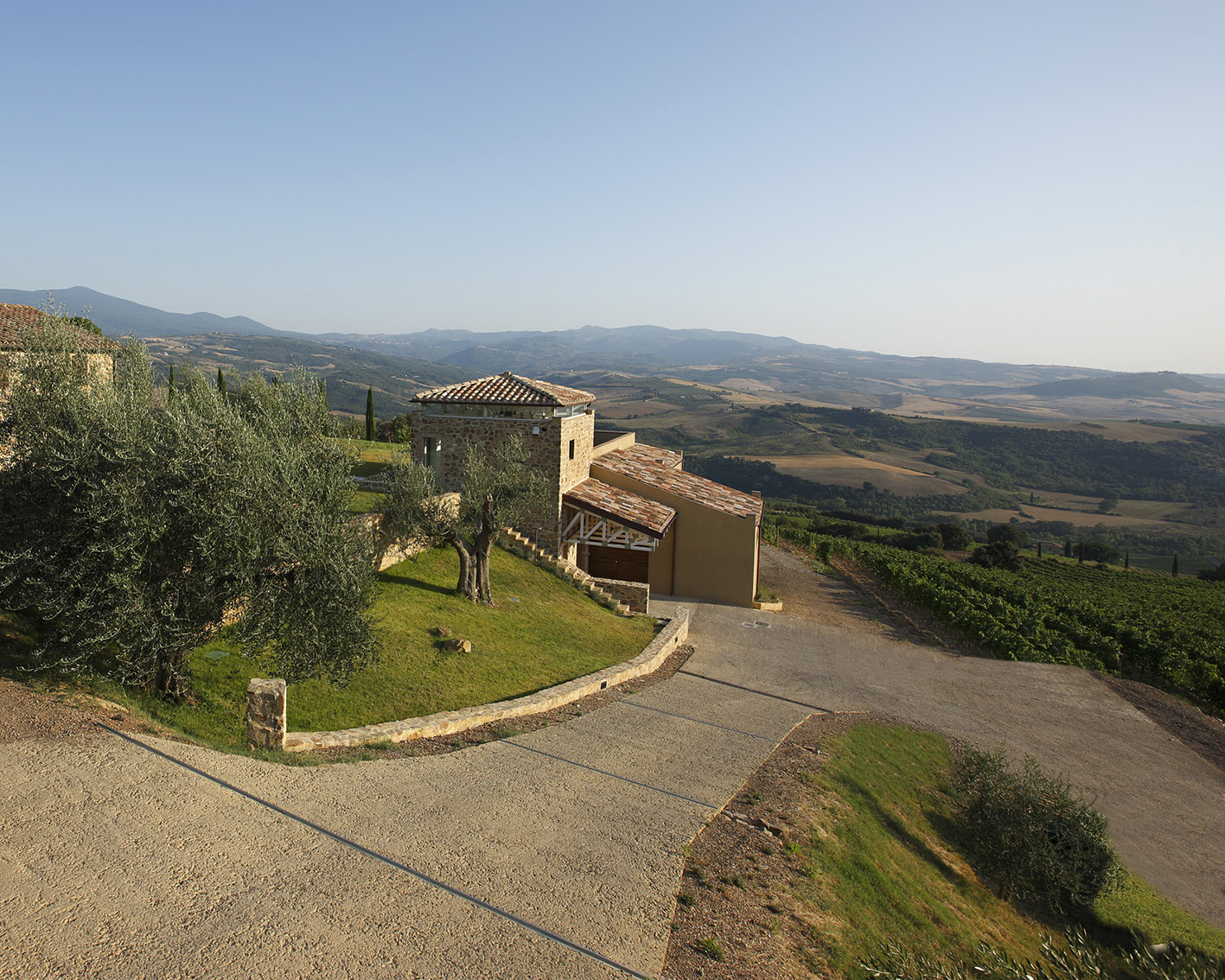
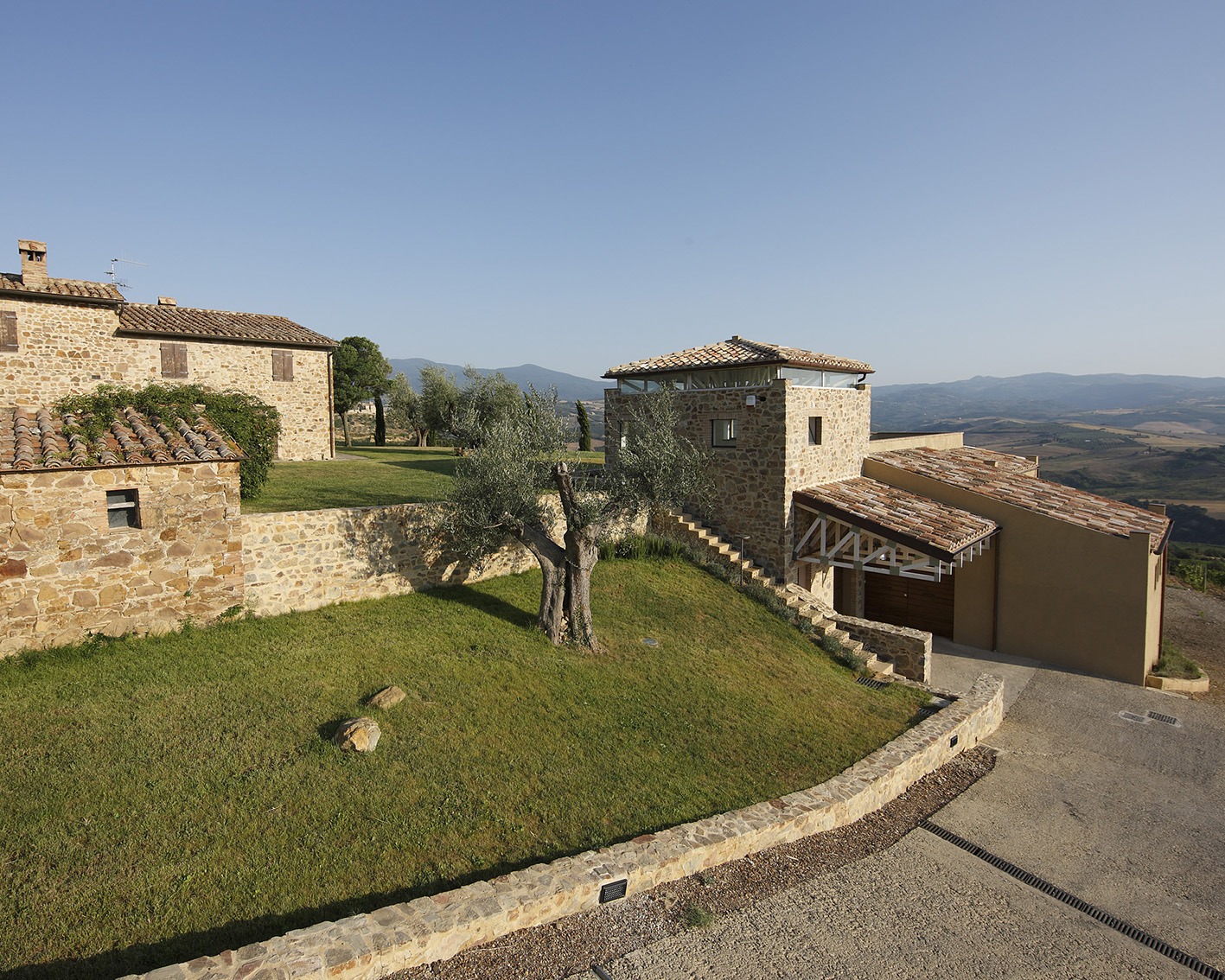
Belpoggio was established in 2005 when Enrico Martellozzo and Renata Rami acquired a historic vineyard site in Montalcino. Conceived as a focused, small-scale project, the estate was developed in Castelnuovo dell’Abate, an area long recognised for its suitability for Sangiovese. The name “Belpoggio” (‘beautiful hill’) reflects both the site’s elevated position and its outlook across Monte Amiata. From inception, the project has combined the Martellozzo family’s broader winemaking experience with a deliberate shift toward terroir-driven production in one of Italy’s most established regions.
Philosophy:
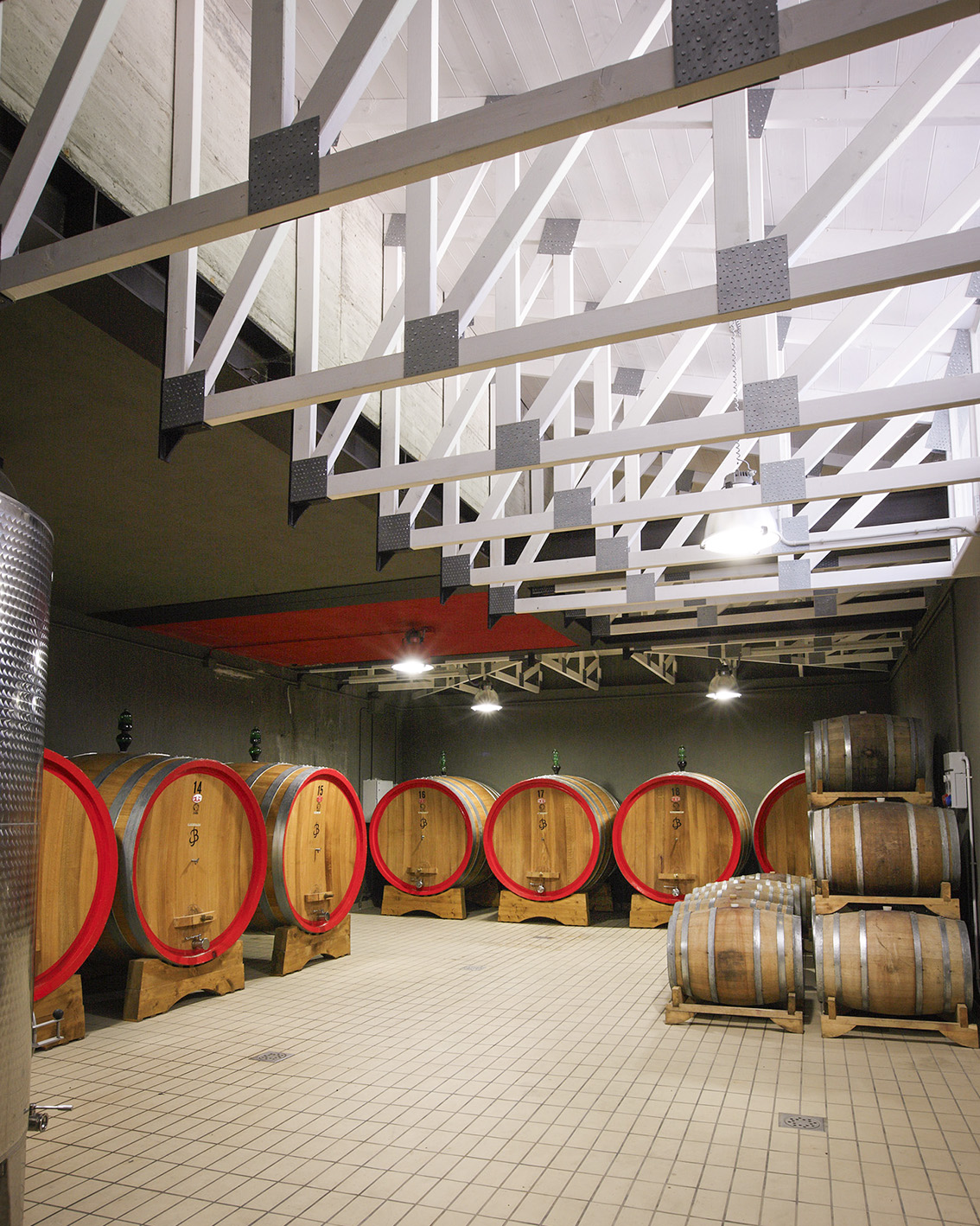
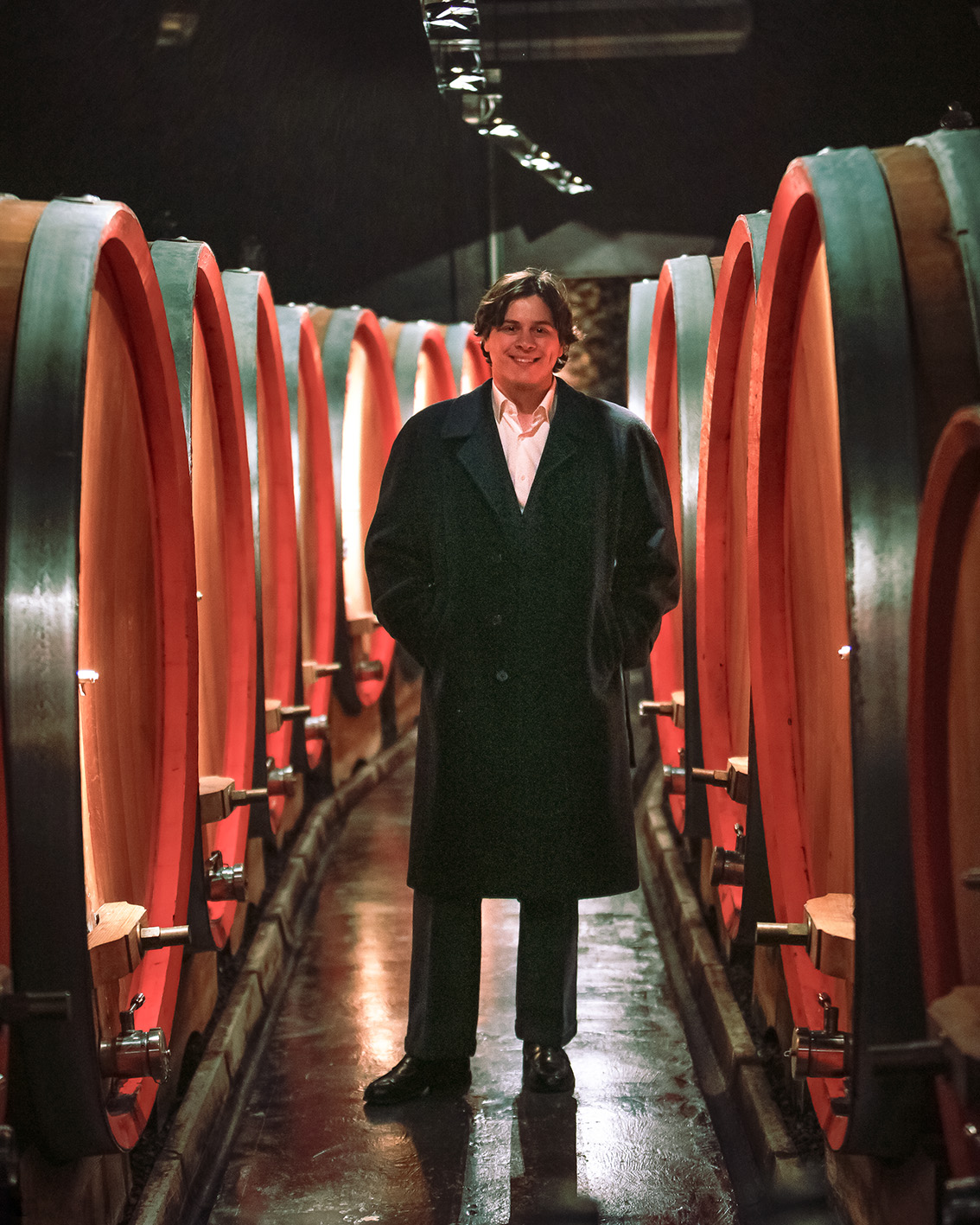
The estate is structured as a mixed agricultural property, with approximately half of the land under vine and the remainder planted to olive groves. This layout reflects the traditional farming model of the region and contributes to biodiversity and landscape continuity. The broader environment — characterised by woodland, olive cultivation and airflow from Monte Amiata — plays an active role in moderating vineyard conditions and supporting a balanced, low-input approach to farming. The winemaking approach at Belpoggio is guided by a relatively traditional model of Brunello production, with an emphasis on allowing site and vintage to shape the wines. Fermentations are conducted with control but without excessive extraction, followed by extended maceration to build structure. Ageing takes place in large oak casks (around 3,000L), limiting overt oak influence and prioritising texture and integration. The objective is to produce Sangiovese that reflects the estate’s geological and climatic conditions — favouring savoury complexity, line and longevity over power.
People:
Belpoggio is owned and managed by the Martellozzo family, with winemaking led by Francesco Adami. Known primarily for his work with sparkling wines under Bellussi, Adami’s role here represents a shift toward still wine production, applying technical precision in a markedly different context. The collaboration combines external perspective with local adaptation, contributing to the evolution of a distinct house style within Montalcino.
Beyond the Vine:
The estate operates as a mixed agricultural property, with olive groves occupying the non-vineyard land, reflecting traditional land use patterns in this part of Montalcino. The proximity to the Abbey of Sant’Antimo places Belpoggio within one of Montalcino’s more historically resonant landscapes.